
The Transformative Power of Arts Education: A Journey from Adversity to Advocacy
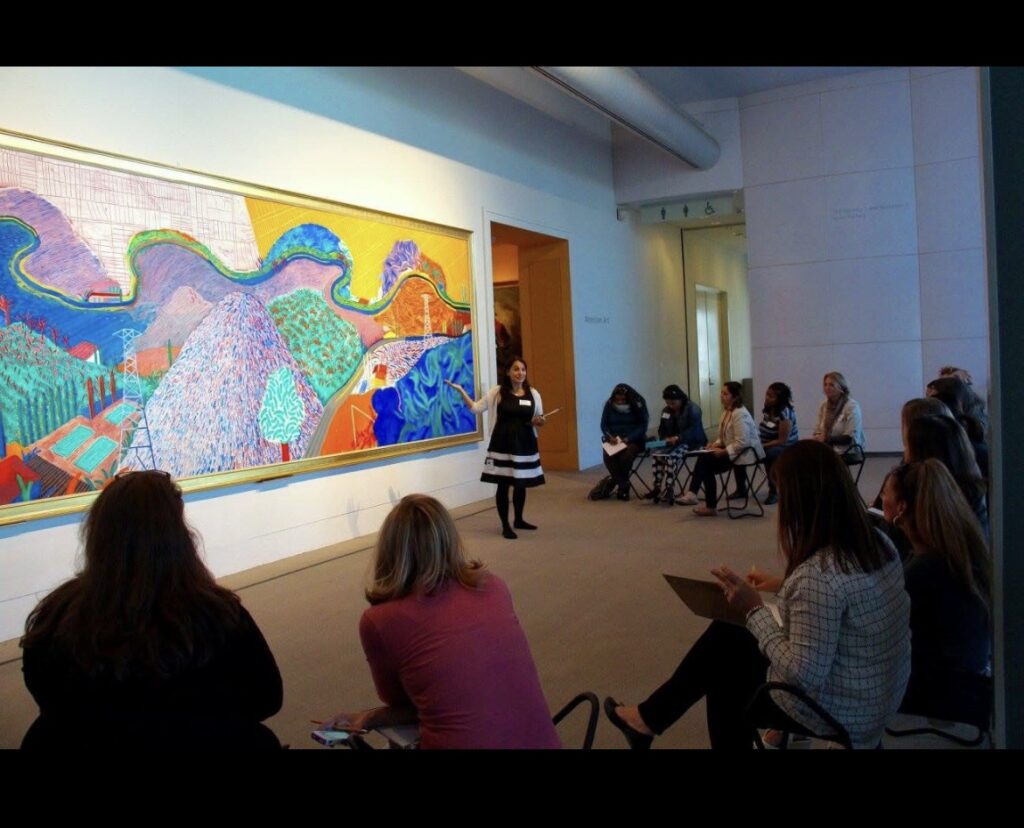
Embark on an inspiring exploration of how arts education can serve as a powerful catalyst for personal growth and societal change.This article delves into the profound impact of creative learning, highlighting its ability to transcend socioeconomic barriers and empower individuals to find their voice.
Discover how a commitment to the arts can illuminate pathways to opportunity, fostering critical thinking, emotional intelligence, and a deeper understanding of our shared human experience.
The Unwavering Pursuit of Knowledge: A Foundation Built on Resilience
The journey of learning is often shaped by the circumstances we encounter.For many, the pursuit of education is not merely an academic endeavor but a vital strategy for overcoming significant challenges.
This narrative underscores the idea that a strong educational foundation, particularly one enriched by the arts, can equip individuals with the resilience and determination needed to navigate complex life paths.
It’s about recognizing that education, in its broadest sense, is a powerful tool for upward mobility and personal fulfillment.
Early Life and the Seeds of Ambition
From humble beginnings, the drive to excel can take root.Early life experiences, even those marked by scarcity, can instill invaluable lessons in hard work, resourcefulness, and the importance of dreaming big.
These formative years often shape an individual's perspective on opportunity and their willingness to pursue it.
The lessons learned in navigating challenging environments can forge a character that is both tenacious and deeply appreciative of the opportunities that arise.
The narrative of overcoming adversity often begins with a profound understanding of the value of education.
When faced with limited resources, the desire for a better future can become a powerful motivator.
This is where the role of dedicated educators and accessible learning environments becomes paramount.
The ability to foster a love for learning from an early age is crucial in setting individuals on a path toward achieving their full potential.
It’s about cultivating a mindset that views education not as a chore, but as a gateway to possibility.
Arts Education as a Social Justice Imperative
The arts are not a luxury; they are a fundamental component of a well-rounded education and a critical tool for fostering equity.This section explores the vital role that arts education plays in leveling the playing field, ensuring that all students, regardless of their background, have access to the transformative power of creative expression.
It argues that access to the arts is intrinsically linked to social justice, providing marginalized communities with essential avenues for self-discovery and empowerment.
Bridging the Opportunity Gap Through Creative Expression
Research consistently shows that students who engage with the arts demonstrate enhanced critical thinking, problem-solving skills, and emotional intelligence.However, disparities in access to quality arts education persist, disproportionately affecting students in underserved communities.
This creates an opportunity gap that can limit their potential and hinder their ability to fully participate in society.
Advocating for equitable access to arts education is therefore a crucial step towards building a more just and inclusive future.
When students are denied opportunities to explore their creativity, a vital part of their development is stifled.
The arts provide a unique language for understanding the world and expressing complex emotions and ideas.
For students who may struggle with traditional academic methods, the arts can offer an alternative pathway to engagement and success.
It’s about recognizing that different learning styles exist and that the arts can cater to a wide range of intelligences.
This inclusive approach ensures that every student has a chance to shine.
The Arts as a Vehicle for Language and Connection
Learning a new language or understanding complex concepts can be significantly enhanced through visual and creative means.The arts offer a powerful bridge, transforming abstract ideas into tangible experiences.
This approach can be particularly effective for language learners or individuals who benefit from multi-sensory learning.
By connecting words with imagery and artistic interpretation, educational content becomes more accessible, memorable, and engaging.
This highlights the versatility of the arts in educational settings.
Imagine learning about historical events not just through text, but through the visual narratives of paintings or the emotional resonance of music.
The arts allow us to connect with subjects on a deeper, more intuitive level.
This is especially true when learning new languages.
Instead of simply memorizing vocabulary, students can engage with visual representations of words, making the learning process more dynamic and effective.
This method fosters a richer understanding and a more lasting retention of information.
Cultivating a Lifelong Love of Learning
The true measure of education lies not just in the acquisition of facts, but in the cultivation of a persistent curiosity and a genuine passion for discovery.This section explores how a love for learning, nurtured through engaging educational experiences, can become a lifelong companion, empowering individuals to adapt, grow, and thrive in an ever-changing world.
It emphasizes the importance of making learning an enjoyable and rewarding pursuit.
The Power of Intellectual Curiosity and Exploration
A fundamental aspect of education is fostering an environment where intellectual curiosity is not only permitted but actively encouraged.When individuals are given the freedom to explore their interests and delve into subjects that captivate them, their engagement with learning deepens.
This intrinsic motivation is key to sustained intellectual growth and the development of a well-rounded perspective.
The ability to connect disparate ideas and see the bigger picture is a hallmark of a truly educated mind.
The human mind is a remarkable instrument, capable of absorbing and processing vast amounts of information.
However, the key to unlocking this potential lies in making learning an active and engaging process.
When educators focus on fostering connections between different subjects and encouraging students to see the relevance of what they are learning, retention improves significantly.
This approach moves beyond rote memorization to cultivate a deeper, more meaningful understanding of the world.
Making Connections: The Art of Retaining Knowledge
The ability to retain information is often linked to how well we can connect new concepts to existing knowledge.When learning is presented in a holistic context, allowing students to see how different pieces of information fit together, comprehension and memory are greatly enhanced.
This is where the arts excel, offering a unique lens through which to explore interdisciplinary connections and understand the nuances of human experience.
The goal is to create learning that is not only informative but also enduring.
Understanding how the mind works is crucial for effective start teaching on Mentofy">teaching.
Research indicates that the brain retains information best when it can make connections.
This means linking new concepts to what a student already knows, whether it’s from a different subject, a personal experience, or a cultural reference.
The arts are particularly adept at facilitating these connections, allowing students to explore themes and ideas across various disciplines.
This holistic approach to education ensures that learning is not just about acquiring facts, but about building a robust framework of understanding.
Advocacy for Equitable Arts Education: A Call to Action
The fight for equitable access to arts education is an ongoing endeavor that requires dedicated advocacy and strategic action.This section highlights the importance of organizations and individuals who champion the cause of arts education, working to ensure that all students have the opportunity to benefit from its profound impact.
It underscores the need for continued investment and policy support to make arts education a reality for every school.
Navigating Policy and Funding for Arts Programs
Ensuring that arts education programs are adequately funded and supported by policy is a critical challenge.While legislative advancements can be significant, the practical implementation and equitable distribution of resources require constant vigilance.
Advocates play a crucial role in monitoring how funds are allocated and ensuring that they are used as intended to benefit students.
This involves ongoing dialogue with policymakers and educational institutions to address systemic inequities.
The passage of legislation aimed at expanding arts education is a significant step, but it is only the beginning.
The real work lies in ensuring that these initiatives translate into tangible opportunities for students.
This requires careful planning, transparent budgeting, and a commitment to reaching every school, especially those in underserved communities.
The goal is to make arts education a consistent and integral part of the curriculum, not an optional add-on.
The Enduring Value of Arts Education in a Modern World
In a world that is constantly evolving, the skills fostered by arts education—creativity, critical thinking, collaboration, and communication—are more vital than ever.These are the skills that empower individuals to adapt to new challenges, innovate solutions, and contribute meaningfully to society.
The arts provide a unique space for students to develop these essential competencies, preparing them not just for careers, but for fulfilling and engaged lives.
The arts are not just about creating beautiful objects or performances; they are about developing essential human capacities.
They teach us to observe closely, to interpret meaning, to express ourselves with clarity, and to connect with others on an emotional level.
These are skills that are transferable to any field of study or profession.
In an increasingly complex world, the ability to think creatively and solve problems with imagination is an invaluable asset.
Arts education provides the foundation for this essential development.
Conclusion
The journey from adversity to advocacy, as exemplified by the transformative power of arts education, is a testament to human resilience and the profound impact of creative learning.It is clear that the arts are not merely an extracurricular pursuit but a fundamental element of a comprehensive education, essential for fostering critical thinking, emotional well-being, and a deeper understanding of our shared humanity.
By championing equitable access to arts education, we invest in a future where every individual has the opportunity to discover their voice, unlock their potential, and contribute to a more vibrant and just society.
The arts have always been, and will always be, a vital pathway to knowledge, connection, and personal growth.





 Explore AI Teaching Tools
Comments (0)
Please login to comment
No comments yet
Be the first to comment on this article