
Navigating the Shifting Landscape of Education Research: A Comprehensive Overview
The pursuit of knowledge and improvement in education is a continuous journey, often shaped by policy shifts and administrative changes.Understanding how these external forces impact the very foundation of educational research and data collection is crucial for educators, policymakers, and learners alike.
This article delves into the critical year that reshaped the federal approach to education research, exploring the profound consequences and offering insights into the resilience of the education sector.
1.
The Unforeseen Disruption: A Year of Dramatic Change
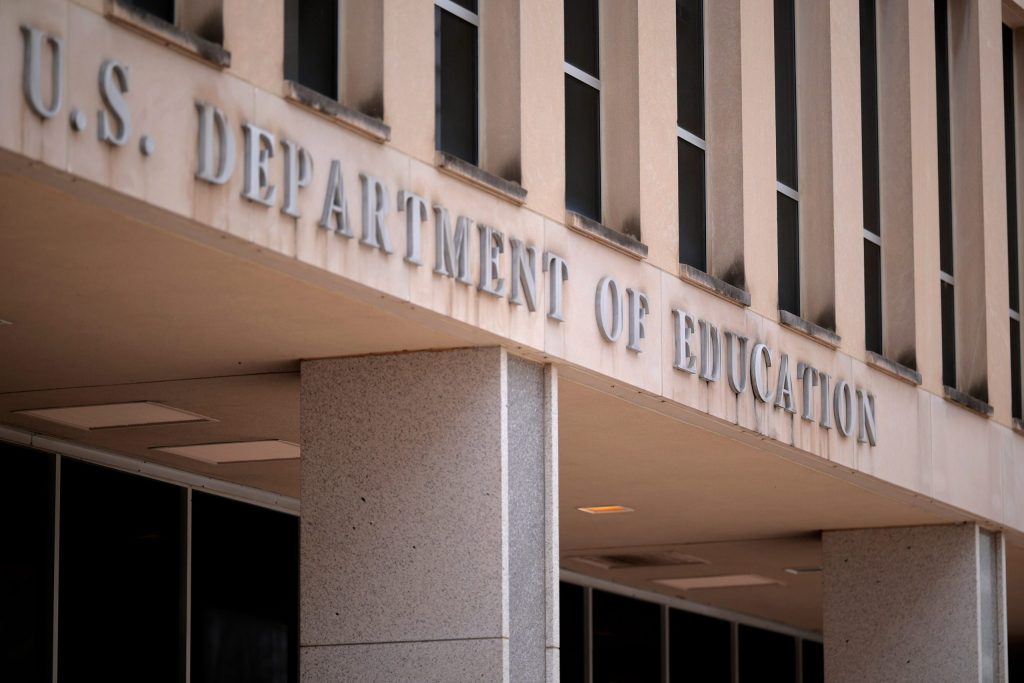
A pivotal year in recent history saw significant upheaval within the federal department dedicated to education.
What began with a promise of change quickly evolved into a period of intense uncertainty and rapid restructuring, particularly impacting the vital work of education research and statistical analysis.
This era presented a stark contrast between administrative directives and the established processes that underpin our understanding of educational outcomes.
The Initial Shockwaves
The early days of this transformative period were marked by a swift and extensive review of existing research contracts.
In a concentrated timeframe, a substantial number of long-standing agreements were terminated.
These cancellations, representing significant financial commitments on paper, had immediate and far-reaching consequences.
Many critical programs, designed to support states in implementing innovative educational strategies, found themselves without essential infrastructure.
The loss of these partnerships created a void, leaving other states uncertain about replicating successful interventions that had been nurtured by these very initiatives.
The Impact on Longitudinal Studies and Data Integrity
One of the most significant casualties was an ambitious, multi-year study meticulously tracking the educational trajectories of young individuals with disabilities.
This research, which had gathered invaluable data over half a decade, was abruptly halted.
The sudden cessation meant that the support and instruction provided to a thousand students involved in the study were immediately withdrawn.
This was described by disability advocates as a devastating blow, underscoring the human cost of such drastic measures.
The interruption of such extensive data collection efforts raised serious questions about the continuity and reliability of federal research initiatives.
Core Datasets Under Threat
Even the bedrock of federal educational data collection was not immune.
The termination of contracts essential for maintaining core datasets, such as those that compile demographic information about students, was met with disbelief.
These datasets are fundamental to the administration of widely respected national assessments that gauge student proficiency in core subjects like reading and mathematics.
Furthermore, this data is indispensable for the equitable allocation of substantial federal funding aimed at supporting schools in high-poverty areas.
The disruption threatened the very mechanisms that ensure resources are directed where they are most needed.
The Elimination of Evidence-Based Resources
The impact extended to the practical tools used by educators.
Evidence-based instructional guides, specifically developed to enhance mathematics teaching, were also discontinued.
Even data collection efforts related to homeschooling, a long-standing priority for certain segments of the population, were curtailed.
While official statements often cited the elimination of “waste, fraud, and abuse” as the rationale, the broad scope of these cuts suggested a more fundamental re-evaluation of the department’s research and data functions.
Pressure on External Partners
Much of the federal department's work relies on external contractors and research institutions.
During this period, these entities faced immense pressure to accept significant reductions in their contracts, with some payments being frozen entirely.
This created widespread chaos, forcing research labs, university departments, and federal contractors into a scramble to preserve data and secure their operational futures.
The uncertainty permeated the entire ecosystem of education research.
A Signal of Intent: Leadership Changes
The month concluded with a particularly unsettling event: the dismissal of the commissioner of the National Center for Education Statistics, a primary source of reliable educational data.
The circumstances surrounding this departure were unclear, but it was perceived by many as part of a broader pattern of leadership changes.
Reports from former department employees indicated that this individual had resisted demands for severe cuts to national assessments.
Her removal served as a potent signal that opposition to the new directives would have consequences, further intensifying the climate of apprehension.
2.
The Cascade of Cuts: Impact on Personnel and Programs
The disruptions of the initial period were not isolated incidents but rather the beginning of a sustained wave of changes that profoundly affected the department's capacity and direction.
The subsequent months witnessed significant reductions in personnel and a drastic reshaping of program priorities, leading to widespread concern among those dedicated to advancing educational understanding.
Mass Reductions in Workforce
March brought about a dramatic reduction in the department's workforce, with a substantial percentage of employees losing their positions.
The division responsible for research and statistics was particularly hard-hit, experiencing almost complete staff depletion.
The agency that had once boasted a robust team of approximately 100 employees was reduced to a mere handful.
This drastic downsizing created significant operational challenges and raised questions about the department's ability to fulfill its core responsibilities.
Internal Instability and Leadership Vacuum
Adding to the internal chaos, the individual appointed to lead the research division after the previous commissioner’s departure was himself dismissed after a very short tenure.
This rapid succession of leadership changes fueled confusion about who was ultimately in charge and what the strategic direction might be.
The newly confirmed education secretary publicly defended these actions, framing them as initial steps toward a potential restructuring or closure of the agency.
However, with such a diminished staff, the capacity to oversee existing contracts and manage ongoing projects was severely compromised.
Threats to National assessment Development
The stalled development of national assessments became a significant concern.
Reports emerged suggesting that off-the-shelf testing solutions from private vendors were being considered as a replacement for the meticulously developed federal assessments.
This proposed shift threatened to undermine decades of work invested in creating standardized, reliable, and valid measures of student achievement.
The integrity and comparability of educational data were at risk.
The Role of Oversight and Accountability
Former officials expressed deep concern about the erosion of oversight mechanisms.
Their role had been to ensure that limited public funds allocated for education research were utilized effectively and without impropriety.
The dismantling of these oversight functions meant that there was no longer a dedicated "watchdog" to ensure accountability in the allocation and use of research grants and contracts.
3.
The Widening Impact: Beyond the Department's Walls
The repercussions of these administrative decisions extended far beyond the immediate confines of the Education Department, affecting other federal agencies and the broader research community.
The ripple effects demonstrated how interconnected the federal research infrastructure truly is.
Impact on Other Federal Agencies
The directive to implement cuts extended to other federal bodies, with the National Science Foundation (NSF) experiencing significant reductions in its education research funding.
A substantial portion of the grants eliminated by these directives were specifically earmarked for educational research conducted at universities.
Many of these terminated projects were focused on critical areas, such as increasing the participation of underrepresented groups in STEM fields and combating the spread of misinformation.
The impact was felt across various disciplines and research endeavors.
The Research Community Responds
Coincidentally, thousands of researchers and statisticians were gathered for a major professional conference when these devastating cuts were being implemented.
This convergence provided an opportunity for the affected community to mobilize.
Several lawsuits were initiated, challenging the legality of the contract terminations and mass firings.
The collective outcry from the research community highlighted the severity of the situation and the potential long-term damage to the field.
Public Scrutiny and Tentative Reversals
The growing public outcry and the legal challenges began to influence the department's actions.
In some instances, there were admissions that certain cuts may have been too severe.
However, by this point, the damage was already substantial.
Data collection efforts were interrupted mid-process, rendering them incomplete and unusable.
Evaluations of programs designed to enhance teaching and learning were left unfinished.
The loss of years of dedicated work raised concerns about the ability to ever fully recover the lost progress.
The Exodus of Expertise
Researchers and statisticians found themselves navigating an entirely new and uncertain landscape.
Many were forced to seek employment outside of their specialized fields, leading to a significant brain drain.
The loss of this institutional knowledge and expertise represented a profound setback for the future of education research.
Professional networking platforms became inundated with individuals updating their statuses to indicate they were "open to work," a clear sign of the widespread disruption.
Partial Restorations and Lingering Doubts
In some cases, public pressure led to the reinstatement of certain programs or resources.
For example, an online library of critical educational documents, known for its extensive collection, was reactivated, albeit with a reduced budget.
These partial restorations, while welcome, often highlighted the limitations of what could be salvaged.
The damage was cumulative, and the full extent of the consequences would unfold over time.
4.
The Evolving Narrative: From Disruption to Uncertainty
As the year progressed, the narrative surrounding the department's approach to research and data began to shift, moving from outright disruption to a more complex and often confusing landscape of tentative reversals and ongoing uncertainty.
This period was characterized by mixed signals and a struggle to regain lost momentum.
Delayed Publications and Incomplete Data
Key reports, such as the comprehensive "Condition of Education" report that compiles vital data on U.S. schools, students, and teachers, missed their mandated publication deadlines for the first time in history.
While some information was eventually posted, it was often late and incomplete.
The 2025 report remained unfinished, illustrating the lingering impact of the earlier disruptions on the department's ability to produce timely and accurate data.
Rehiring and Restructuring Efforts
Recognizing the operational challenges posed by a severely depleted staff, some individuals who had been previously let go were quietly rehired.
Additionally, staff from oversight boards were temporarily assigned to assist the Education Department to ensure the continuity of critical assessment programs.
While these numbers represented a fraction of those who had been dismissed, they signaled a recognition of the value of certain departmental functions and a potential shift in strategy.
Partial Reinstatements and Symbolic Gestures
Further reversals, prompted by ongoing legal challenges and public scrutiny, led to the reinstatement of a number of research and data contracts.
Access to preserved data for researchers was also re-established.
However, these restorations were often incomplete, sometimes appearing more symbolic than practically effective.
For instance, while a contract to operate a website that informs schools about evidence-based teaching practices was reinstated, the contracts responsible for producing new content for that site were not.
This created a situation where the platform existed, but its ability to provide current and relevant information was severely hampered.
Budgetary Constraints and Funding Gaps
Despite some restorations, many programs within the Institute of Education Sciences (IES) continued to operate under drastically reduced budgets, leaving them under-resourced.
The approval of new research projects stalled, indicating a significant gap in the pipeline for future studies.
Proposed budget cuts for IES, which would have significantly reduced its funding, were met with resistance from legislative bodies, suggesting a broader recognition of the importance of sustained investment in education research.
A Glimmer of Hope: Leadership for Modernization
Amidst the challenges, there was a positive development with the appointment of a respected researcher to lead an initiative aimed at revamping and modernizing the IES.
This move offered a potential pathway toward addressing some of the long-standing issues within the research infrastructure and building a more robust system for the future.
5.
The Lingering Fallout: Long-Term Consequences and Future Outlook
The impact of this tumultuous year continued to be felt long after the initial disruptions.
The delays, the loss of data, and the erosion of trust created a complex environment for the future of education research and policy.
The consequences, both immediate and long-term, underscored the critical importance of a stable and well-supported federal research infrastructure.
Delays in Reporting and Assessment
The consequences of the leadership vacuum and the disruption to data collection processes became evident in the delayed release of national assessment scores.
The acting director of the National Center for Education Statistics juggled multiple roles to ensure that reports could be published, albeit behind schedule.
This highlighted the fragility of the system when key personnel and processes are compromised.
Politically Charged Data Collection
In a politically charged move, a new data collection initiative focused on college admissions was ordered without adequate staff or funding.
Experts warned that such projects could be misused to advance specific political agendas, raising concerns about the potential weaponization of educational data.
This also indicated a realization by the administration that the Education Department could be leveraged to enforce policy priorities, even if the necessary resources were not allocated.
Fragile Rebuilding and Eroded Trust
By the end of the year, while some data began to emerge and new job postings hinted at a slow rebuilding process, the overall system remained fragile.
Across states, districts, and universities, the effects of eight months of disruption were palpable: delayed reports, stalled research projects, and a noticeable erosion of trust in federal statistics.
The system that had once been a cornerstone of educational progress was now perceived as unreliable.
Legal Battles and Irreversible Damage
Legal battles continued, with court orders for the reinstatement of fired staff eventually being overturned by the Supreme Court, siding with the administration.
The vast majority of research contracts remained terminated, with the legal processes expected to take years to resolve.
This meant that the damage inflicted was likely irreversible, with significant implications for the continuity of vital research.
The Indispensable Role of Federal Research
Federal education research occupies a unique and indispensable niche.
Unlike private foundations that may focus on novel or high-profile projects, the federal system is designed for the foundational work of establishing baseline data, conducting large-scale evaluations, and studying interventions that are practical for widespread adoption.
While the system had its acknowledged flaws, such as outdated methodologies or expensive contracts, critics agreed that dismantling it mid-process was not a viable solution for reform.
Genuine reform requires investment and strategic development, not indiscriminate cuts.
Unrealized Potential and Lost Opportunities
The lack of new grant awards for fresh research meant that a generation of potential studies might never come to fruition.
While there were a few exceptions, such as small innovation grants for educational technology, the overall impact was a significant curtailment of new knowledge generation.
The public's confidence in federal data faltered as publications were delayed, incomplete, or absent altogether.
The Limits of Restoration
The partial restorations that took place underscored the limitations of what could be salvaged.
Key resources like the online library ERIC survived, but with reduced funding.
National assessments continued, but in a scaled-back form.
The regional laboratories, initially slated for reactivation, had not fully resumed operations.
The workforce within the Institute of Education Sciences had been decimated, leaving few individuals to manage the remaining programs.
The Cumulative Nature of Damage
These restorations, while important, could not undo the fundamental damage.
Longitudinal studies were cut off midstream, multiyear research programs collapsed, and promising avenues of inquiry were abandoned before they could mature.
The derailment of careers was a significant human cost, but the deeper loss belonged to the children and teachers who would be denied the benefits of the knowledge that would have been generated.
Evidence as a Unifying Force
In a fragmented educational landscape where districts often make independent decisions, evidence serves as one of the few unifying forces.
The statistics that track student achievement, inequality, enrollment, and finances are irreplaceable tools for understanding and improving the system.
The disruptions meant that there would be significant gaps in what could be known, measured, and trusted about the future of education.
Compromised Clarity and the Long Road to Recovery
The irony was that these cuts not only weakened the field of education research but also compromised the nation's ability to clearly perceive its own school system.
While reform may have been necessary, rebuilding confidence in federal data and recovering the institutional knowledge lost in a single chaotic year would undoubtedly take far longer than the dismantling process itself.
The path forward required a renewed commitment to evidence-based practices and a robust, well-funded federal research infrastructure.
Conclusion
The year of dramatic change within the federal education department served as a stark reminder of the critical importance of stable, well-funded, and consistently supported education research.
The disruptions, while driven by administrative directives, had profound and lasting consequences for data integrity, program continuity, and the very ability of the nation to understand and improve its educational system.
The experience highlighted the interconnectedness of research, policy, and practice, and underscored that while reform is necessary, it must be approached with strategic investment and a deep understanding of the value that robust data and evidence bring to the educational landscape.
The journey to rebuild trust and recover lost knowledge is ongoing, emphasizing the enduring need for a strong federal commitment to education research for the benefit of all learners.







 Explore AI Teaching Tools
Comments (0)
Please login to comment
No comments yet
Be the first to comment on this article