
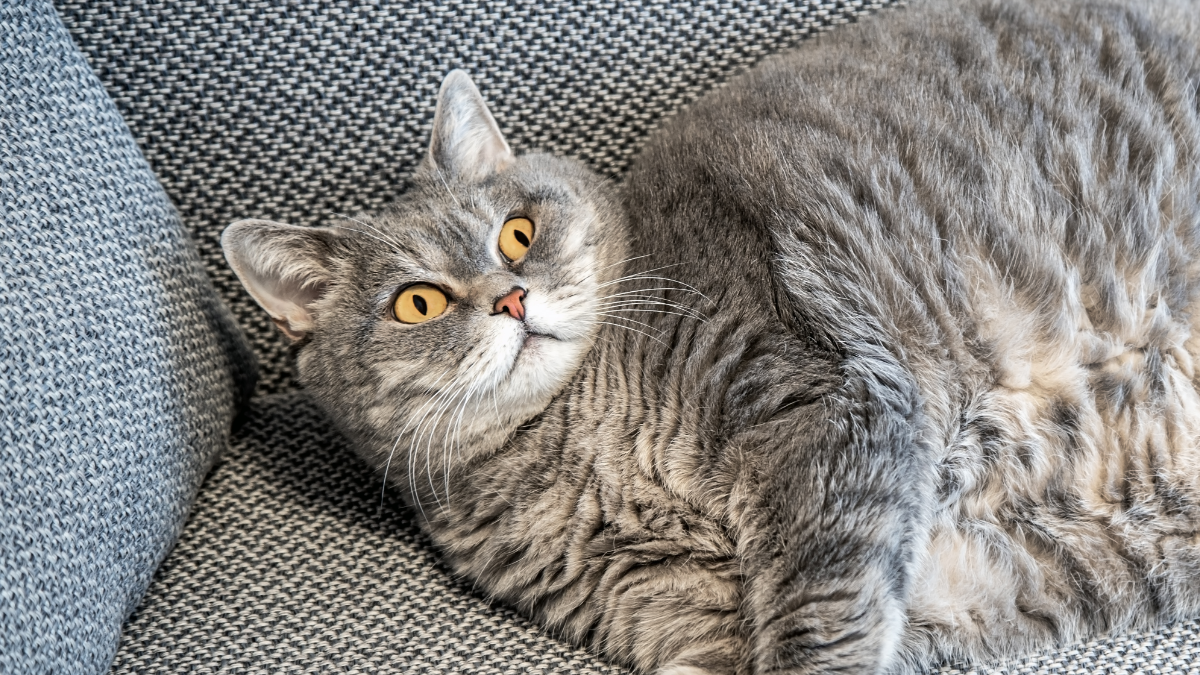
A staggering 59% of adult dogs and 41% of adult cats in the United States are classified as obese, a statistic that should send ripples of concern through every veterinary clinic and pet-owner household. This isn't just about aesthetics; pet obesity is a serious health crisis, significantly shortening lifespans and increasing the risk of debilitating conditions like diabetes, arthritis, and heart disease. For educators, particularly those who integrate animal welfare or science into their curriculum, understanding the nuanced approach to helping pets lose weight is crucial, moving beyond the simplistic "eat less, move more" mantra.
The Hidden Culprits Behind Pet Weight Gain
While overfeeding is undoubtedly a primary driver, the narrative of pet weight gain is far more complex. Experts reveal that several less obvious factors contribute significantly to a pet's expanding waistline. Understanding these subtle influences is the first step in crafting an effective weight management plan.
Beyond the Bowl: Environmental and Behavioral Factors
It's easy to blame the food bowl, but the environment and a pet's daily routines play an equally vital role. Sedentary lifestyles, coupled with the readily available high-calorie treats, create a perfect storm for weight gain. Many owners underestimate the caloric impact of seemingly small snacks or "table scraps."
"We often see owners diligently measuring kibble but then unknowingly adding hundreds of extra calories through treats, chews, and even flavored dental sticks," notes Dr. Anya Sharma, a leading veterinary nutritionist. "It's a cumulative effect that can be incredibly difficult for pets to overcome without a structured approach."
Furthermore, a pet's breed, age, and even their spayed/neutered status can influence their metabolism and propensity to gain weight. These biological predispositions mean that a one-size-fits-all approach to weight loss is rarely successful. Helping your pet shed those extra pounds requires a personalized strategy.
The Science of Sustainable Weight Loss for Pets
The secret to helping your pet lose weight isn't about drastic diets or punishing exercise regimes; it's about a gradual, science-backed shift in habits. Experts emphasize that sustainable weight loss focuses on creating a caloric deficit while ensuring the pet receives adequate nutrition and enrichment.
Calorie Management: Precision Over Guesswork
Determining the correct daily caloric intake is paramount. This isn't a simple calculation; it involves considering the pet's ideal body weight, activity level, and metabolic rate. Veterinary professionals are essential in establishing these baseline numbers, often recommending specific therapeutic diets designed for weight management.
For educators looking to illustrate these concepts, using hypothetical pet scenarios in a MentofyCove classroom game can be highly engaging. Students could act as "pet nutritionists," calculating calorie needs based on different pet profiles and activity levels, making the learning process interactive and memorable.
Exercise: Quality Over Quantity
While increasing physical activity is crucial, the type and duration of exercise matter. Short, intense bursts of play are often more effective than long, low-intensity walks, especially for pets with joint issues. Incorporating a variety of activities can prevent boredom and keep pets motivated.
Consider using Mentofy AI teaching tools like an AI lesson plan generator to create engaging modules on pet health. You can prompt it to develop activities that explore different types of pet exercises and their caloric expenditure, making complex nutritional science accessible to younger learners.
A 2023 study published in the Journal of Veterinary Internal Medicine found that pets on a structured weight loss program, which included both dietary changes and increased exercise, lost an average of 15% of their body weight over six months, with a significantly lower relapse rate compared to those on less structured plans.
Beyond Diet and Exercise: The Holistic Approach
Helping your pet lose weight effectively requires looking beyond just food and walks. A holistic approach considers the pet's overall well-being, including mental stimulation and behavioral enrichment.
Behavioral Enrichment and Mental Stimulation
Boredom can lead to overeating or destructive behaviors that owners might try to "fix" with treats. Providing mental stimulation through puzzle feeders, training sessions, or interactive classroom games can redirect a pet's energy and reduce anxiety-driven eating.
Tools like Mentofy Boards can offer interactive widgets such as a countdown timer for exercise sessions or a noise monitor to encourage calm play, indirectly supporting a healthier lifestyle.
The Owner's Role: Education and Consistency
Ultimately, the success of any pet weight loss plan hinges on the owner's commitment and understanding. Educating yourself and your family about appropriate portion sizes, treat values, and the importance of consistency is non-negotiable. It's often the subtle, everyday choices that make the biggest difference.
For educators, framing these lessons around responsible pet ownership can have a profound impact. Discussing the long-term health benefits of maintaining a healthy weight for pets can foster empathy and a sense of responsibility in students. This knowledge is invaluable, helping them become more informed pet guardians in the future.
The journey to helping your pet lose weight is a marathon, not a sprint. By understanding the multifaceted nature of pet obesity and implementing a consistent, science-backed strategy, educators can empower their students with the knowledge to foster healthier, happier lives for their animal companions. Remember, Mentofy is free for teachers to access resources that can help bring these vital lessons to life.







 Explore AI Teaching Tools
Comments (0)
Please login to comment
No comments yet
Be the first to comment on this article