
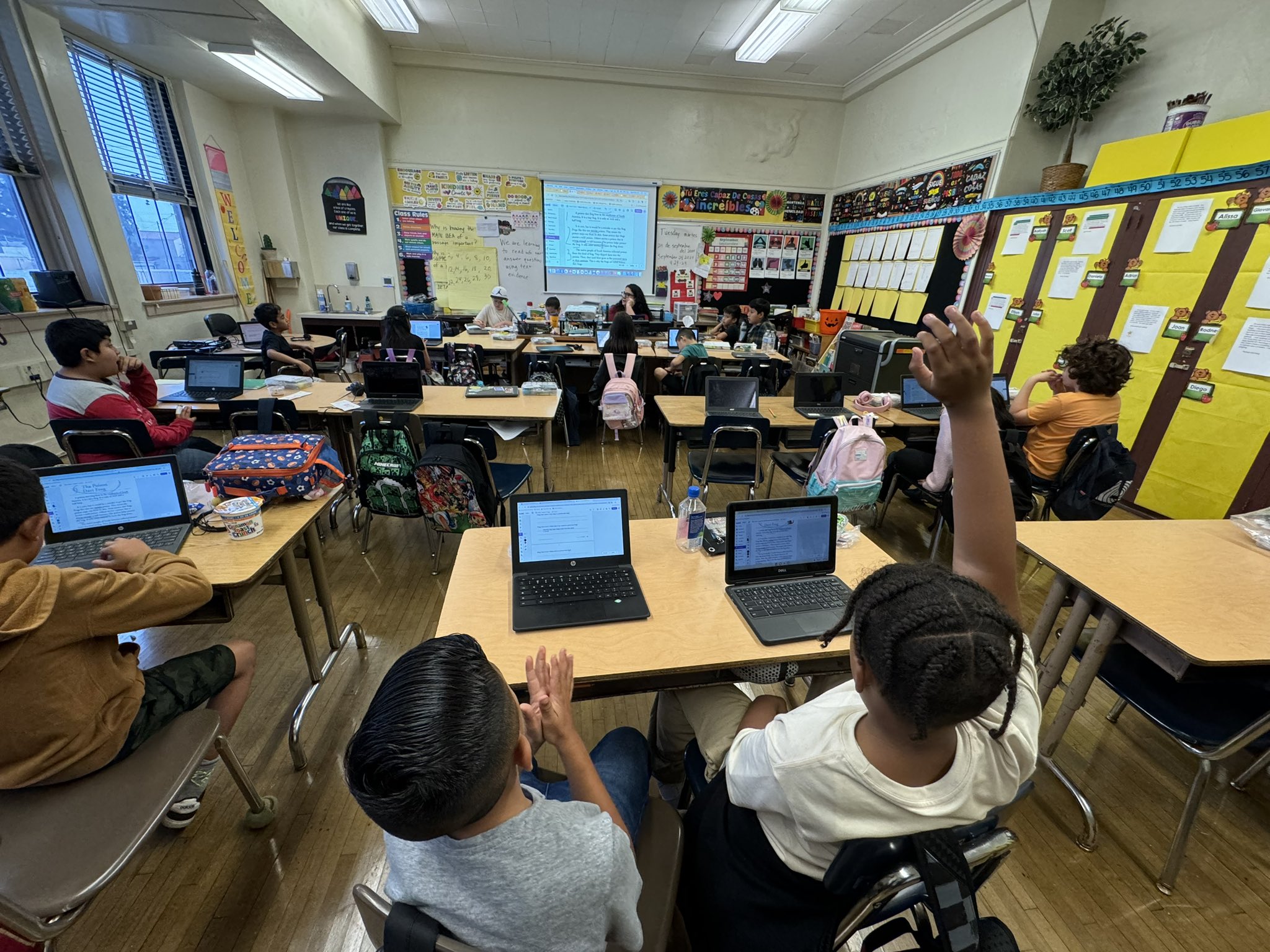
Digital Divide or Learning Boon? Schools Rethink Extensive Use of Adaptive Learning Platforms
Millions of students nationwide are logging into adaptive learning programs, hailed by proponents as a revolutionary tool for personalized education. Yet, a growing chorus of parents and educators is raising alarms, questioning the actual academic impact and the mounting pressure on young learners to spend significant time staring at a screen.
The Promise of Personalized Pathways
At its core, the appeal of these digital learning tools lies in their promise to meet students exactly where they are. Designed to identify individual learning gaps, these programs aim to tailor instruction, offering a customized educational journey for every child. This approach is particularly lauded for its potential to support students in foundational subjects like reading and mathematics.
The data often cited by developers suggests a positive correlation between program use and improved academic outcomes. Studies indicate that students engaging with these platforms can show measurable gains on standardized assessments compared to their peers who do not. This is seen as a critical advantage, especially in the early grades, where identifying and addressing learning deficits can set a crucial foundation for future success.
However, the reality within the classroom can be far more complex. Educators often find themselves navigating the practicalities of integrating these programs, which can sometimes clash with the dynamic and often unpredictable nature of daily schooling. The "bells and whistles" that look impressive on paper don't always translate seamlessly into tangible learning gains for every student.
Anxiety in the Age of Adaptive Learning
For some families, the introduction of these digital tools has become a source of significant stress. Andrea Gillanders, an elementary art teacher, has witnessed firsthand the anxiety her third-grade son experiences around testing, a struggle she directly links to the extensive use of an adaptive learning program in his school district. This anxiety, she notes, has been a persistent issue for three years.
While her son generally performs well on the program's tasks, the underlying pressure to achieve perfect scores, often framed as class goals, can leave other students feeling inadequate. This focus on quantifiable achievement, Gillanders suggests, can inadvertently foster a sense of not being "good enough" for those who don't consistently hit the mark.
This concern about the emotional toll on young students is echoed by others. The gamified elements, such as earning points for correct answers and receiving encouragement from on-screen characters, can feel more like a reward system than genuine academic engagement. For some, the challenges presented are no more rigorous than those found on a traditional worksheet, raising questions about the depth of learning occurring.
The Screen Time Debate Intensifies
The growing movement to reduce screen time in educational settings has brought these digital learning platforms under increased scrutiny. Alisha Mernick, whose first-grade daughter attends a large urban school district, became increasingly concerned about the mandated 45 minutes per week for both English and math on an adaptive program. She questioned whether the time spent was truly beneficial for her child's learning.
This concern led Mernick to opt her daughter out of the program. Now, while classmates engage with the digital content, her daughter spends her allocated time working through a math workbook and reading a chapter book. This shift highlights a desire for more tangible, hands-on learning experiences that Mernick believes are being sidelined.
School districts often frame the use of these programs as part of a differentiated instruction strategy, typically recommending 30 to 45 minutes per week during small-group sessions led by teachers. They emphasize a philosophy of "screen value over screen time," aiming for purposeful and high-quality digital engagement that complements, rather than replaces, direct instruction and collaborative activities.
Flexibility and Frustration in the Classroom
For some educators, the flexibility in how they implement these programs offers a degree of control. Emily Reyes, a fifth-grade teacher in a large California district, utilizes the platform daily, but often as a way to fill transitional periods. This includes providing an activity for students who finish assignments early or creating a brief window for her to manage administrative tasks.
However, Reyes expresses a preference for direct instruction, believing there is no substitute for engaging students with texts and concepts that are more relevant and impactful. She observes that while some students thrive on the program's tasks, others simply click through, gaining little genuine understanding. This disparity in engagement and benefit underscores a key challenge in the program's widespread application.
The sentiment that "there’s nothing better than actually doing actual tangible instruction" resonates with many teachers who feel that digital platforms, despite their sophistication, can't replicate the nuanced interactions and deeper learning fostered by skilled educators leading hands-on activities.
The Data Dilemma: Assessment vs. Anxiety
A significant component of these adaptive learning programs involves diagnostic assessments, administered at the beginning, middle, and sometimes end of the school year. The stated goal is to provide educators with actionable data to guide instruction, pinpoint learning gaps, and track student progress over time. This information, combined with professional judgment, is intended to facilitate targeted support.
However, critics argue that for younger students, the demands of sitting and focusing on a computer screen for extended periods can hinder their ability to perform at their best. The attention spans of kindergarten and first-grade students, in particular, are often cited as a mismatch for the sustained focus required by digital assessments.
Furthermore, the adaptive nature of some assessments, designed to increase difficulty as a student performs well, can inadvertently create anxiety. When students are presented with content far beyond their current grade level, it can lead to frustration and a sense of inadequacy, rather than a celebration of achievement. This is particularly concerning for students who are already performing at or above grade level, as the program may push them into material they haven't yet been taught.
Are Assessments Redundant or Revolutionary?
Some educators find the diagnostic assessments to be either unnecessary or duplicative of other tools already in use. Existing programs, such as those designed to assess early literacy skills, already provide valuable insights into student progress. The concern is that the time spent on these additional digital assessments could be better allocated to more enriching learning experiences.
The argument is that student time would be more productively spent engaging in subjects like art, science, or hands-on projects, which offer different but equally vital avenues for development. This perspective suggests a need to critically evaluate the cumulative impact of various assessment tools and digital learning activities on the overall educational experience.
While some experts acknowledge that younger students may not benefit as much from independent, self-guided digital work as older students, the potential for early identification of learning needs remains a strong argument for these programs. The crucial factor, they suggest, is not just diagnosing a student's area of need, but actively implementing interventions based on that diagnosis. Addressing learning gaps at a younger age is indeed critical for long-term academic trajectories, but the method of diagnosis and the subsequent support remain key points of discussion.
Navigating the Future of Digital Learning
As schools continue to grapple with the integration of technology, the conversation around adaptive learning platforms is evolving. The focus is shifting from simply adopting new tools to ensuring that these tools genuinely enhance learning, support student well-being, and are used in a balanced and intentional manner. The goal is to harness the power of technology without sacrificing the essential elements of human connection, creativity, and hands-on exploration that define a rich educational experience.







 Explore AI Teaching Tools
Comments (0)
Please login to comment
No comments yet
Be the first to comment on this article