
Ignite Your Future: How Early Career Exploration Empowers Students for Success
The journey from school to a fulfilling career is a significant one, and equipping students with the knowledge and skills to navigate it successfully is paramount.Modern educational approaches are increasingly prioritizing early career exploration, moving beyond traditional academic tracks to offer a diverse range of experiences.
This proactive strategy aims to help students discover their passions, develop marketable skills, and build a strong foundation for their future endeavors, ensuring they are well-prepared for life after high school.
The Evolving Landscape of Career Education
Gone are the days when career education was solely a last resort for students not pursuing higher education.Today, Career Technical Education (CTE) is a dynamic and integral part of the educational system, designed to benefit all students.
The core objective is to provide them with tangible pathways, whether it's direct entry into a profession, a significant head start on a chosen career, or simply a realistic preview of various work environments.
This expansion of CTE offerings, even into the elementary and middle school years, is a strategic move to allow students to explore their interests and aptitudes at an earlier stage.
The Rise of Hands-On Learning and Skill Development
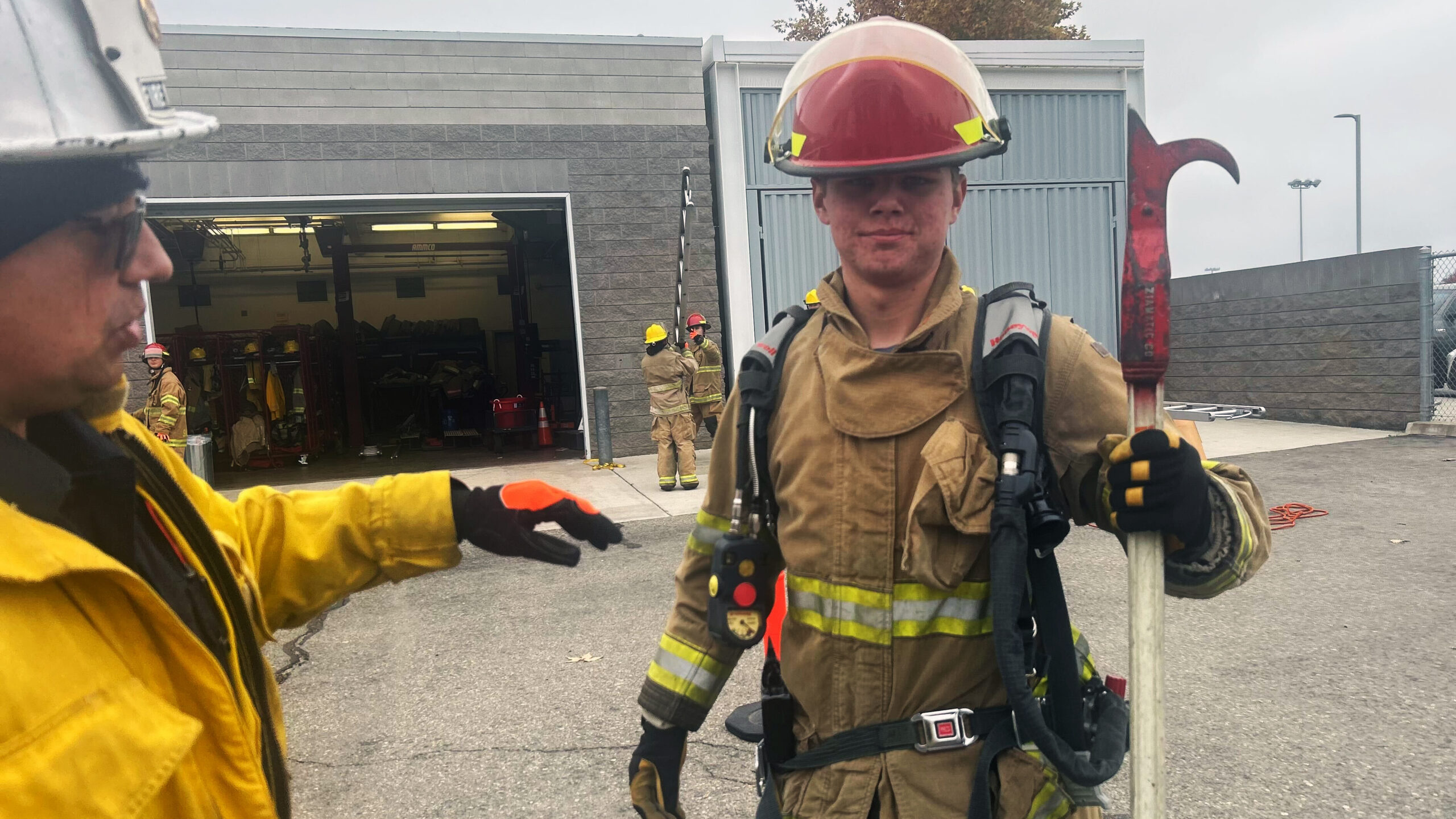
Imagine high school students, clad in protective gear, meticulously practicing essential skills for a demanding profession.This isn't a simulation; it's a reality in many forward-thinking school districts.
For instance, in a program focused on emergency response, students engage in rigorous training that mirrors real-world challenges.
They learn to handle heavy equipment, practice critical techniques, and gain a profound understanding of the dedication required for careers like firefighting or paramedicine.
These immersive experiences debunk myths and provide a genuine "reality check," fostering a deep appreciation for the complexities and rewards of these fields.
Broadening Horizons: Diverse CTE Pathways
These practical, skill-based programs are often part of a much larger CTE framework within a school district.A comprehensive CTE initiative might encompass dozens of distinct pathways, each offering a variety of specialized courses.
This extensive selection ensures that a wide spectrum of student interests can be accommodated, from advanced manufacturing and engineering to healthcare sciences and public safety.
The goal is to provide every student with an opportunity to discover a field that ignites their curiosity and aligns with their innate talents.
Cultivating Passion from the Ground Up: Early Exposure Strategies
The understanding that early exposure is key to unlocking student potential is driving a significant shift in educational planning.Districts are recognizing that by introducing career concepts at younger ages, they can significantly influence students' academic choices and future aspirations.
This proactive approach helps students make more informed decisions, rather than relying on limited knowledge or peer influence when selecting their high school courses.
Elementary and Middle School Integration
Some unified school districts are pioneering innovative CTE programs that begin as early as kindergarten.These programs introduce fundamental concepts related to various professions through engaging, age-appropriate activities.
For example, a science lesson on bridges might seamlessly integrate discussions about the role of civil engineers.
Similarly, lessons on agriculture could explore the diverse and often overlooked careers in pest control, complete with localized video content featuring high school students in action.
Hands-On Exploration in Middle Grades
As students progress into middle school, the CTE experience becomes more focused and interactive.Seventh graders might participate in exploratory courses where they develop marketing materials or learn forensic techniques.
By eighth grade, students can often access specialized career centers, dedicating a significant portion of their day to project-based learning within their chosen pathways.
This immersive environment allows them to apply theoretical knowledge to practical challenges, such as designing and 3D printing a rocket after a math lesson on trajectories.
The Impact of Early Awareness
Research indicates that this early immersion has a profound impact.When students are exposed to a broad range of career possibilities before they even enter high school, they are less likely to choose courses based on superficial reasons.
Instead, they can make more deliberate selections, driven by genuine interest and a developing understanding of what a particular career entails.
This prevents the common scenario where a student might pursue a health science track only to discover they dislike the sight of needles, a realization that could have been avoided with earlier, more comprehensive exposure.
CTE's Growing Popularity and Proven Outcomes
The increasing emphasis on career readiness is not just a trend; it's a response to a growing demand for skilled professionals and a desire to ensure all students have a clear path to a successful future.The numbers speak for themselves: CTE program enrollment and completion rates are on the rise across the nation.
Increased Enrollment and Completion
Many school districts are reporting significant increases in CTE course enrollment.This surge is a direct reflection of the value students, parents, and educators are placing on these programs.
As more pathways are offered and the quality of instruction improves, more students are choosing to engage in CTE, recognizing its potential to shape their future.
Furthermore, studies indicate that students who complete CTE pathways are more likely to persist in their chosen fields and achieve their career goals.
Preparing Students for Diverse Futures
The outcomes for students who participate in CTE programs are compelling.A significant percentage of high school graduates who have engaged in these programs go on to pursue further education, whether at community colleges or four-year universities.
Others enter the workforce directly, equipped with valuable skills and certifications that make them highly competitive.
A portion also choose to serve in the military or pursue specialized trade school education.
This demonstrates that CTE is not a singular path but a versatile foundation that prepares students for a multitude of post-secondary options.
Bridging the Skills Gap and Fostering Economic Mobility
In communities facing economic challenges, CTE plays a crucial role in breaking cycles of poverty and fostering upward mobility.By providing students with marketable skills and direct pathways to employment, these programs empower them to secure well-paying jobs and contribute to their local economies.
The ability to earn a living wage and build a stable career is a powerful tool for individual and community empowerment.
The Mentofy Advantage: Empowering Lifelong Learning
At Mentofy, we understand the critical importance of accessible, high-quality education that prepares students for the demands of the modern world.Our platform is designed to support learners at every stage of their educational journey, from foundational exploration to advanced skill development.
personalized learning Journeys
Mentofy offers a diverse range of courses and learning modules that can complement and enhance traditional CTE programs.Whether a student is exploring potential career fields or seeking to deepen their understanding of a specific discipline, our platform provides the resources they need to succeed.
We believe in empowering students to take ownership of their learning and to chart their own course towards their aspirations.
Connecting Education to Career Goals
Our focus is on making learning relevant and actionable.We strive to connect educational content directly to real-world applications and career opportunities.
By providing students with insights into various industries and the skills required for success, Mentofy helps them make informed decisions about their academic and professional futures.
We aim to be a trusted partner for students, educators, and institutions in fostering a culture of continuous learning and career readiness.
Conclusion
The strategic expansion of career education, beginning in the earliest school years, is a transformative approach that empowers students to discover their passions and build a solid foundation for their future.By offering diverse, hands-on learning experiences and connecting academic pursuits to real-world careers, educational institutions are equipping the next generation with the skills, knowledge, and confidence they need to thrive.
This commitment to early career exploration is not just about finding a job; it's about cultivating fulfilling and productive lives for all students.





 Explore AI Teaching Tools
Comments (0)
Please login to comment
No comments yet
Be the first to comment on this article