
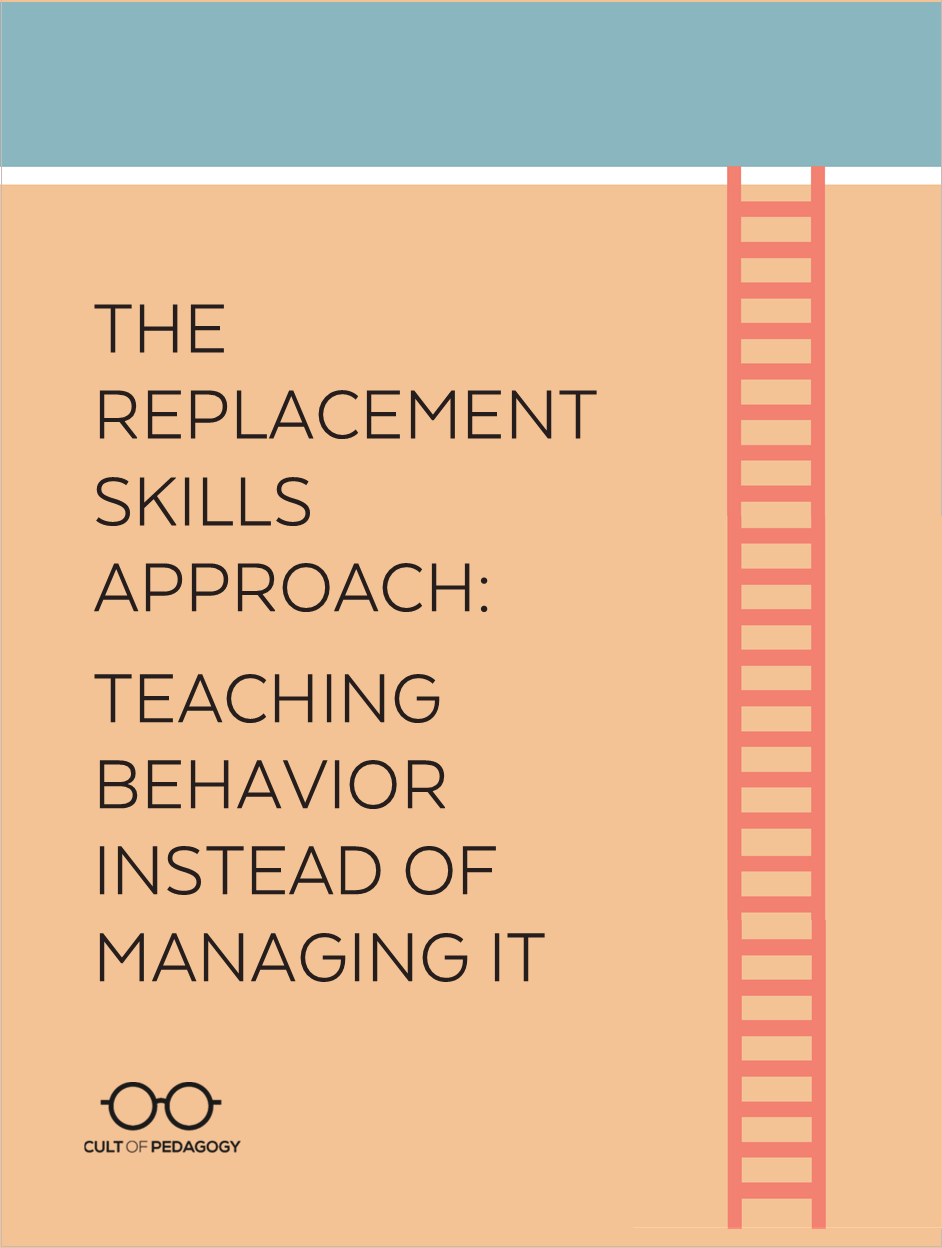
Beyond Detention: Why Schools Are Shifting from Discipline to Skill-Building
The traditional approach to school discipline, often characterized by punishment and compliance, is facing a quiet revolution. Educators are increasingly recognizing that many challenging student behaviors stem not from a lack of character, but from a deficit in essential skills. This paradigm shift moves away from simply managing behavior towards actively teaching students the competencies they need to succeed.
The Misunderstood Art of Discipline
For too long, discipline in schools has been viewed as a dreaded chore, a necessary evil focused on control and consequences. This often results in dehumanizing experiences for both students and educators, creating an environment of fear rather than fostering growth. The urgency to address disruptive actions can overshadow the fundamental human element of understanding why a student is struggling.
In contrast, settings focused on rehabilitation and reintegration have long understood the power of a skill-based approach. By diagnosing skill gaps and then actively teaching and measuring the development of those skills, these environments have achieved remarkable success in reducing negative outcomes. This integrated, systemic approach contrasts sharply with the siloed, reactive methods often seen in educational institutions.
The core of this evolving understanding lies in a simple, yet profound, realization: most common misbehaviors are not indicators of a student's inherent flaws, but rather signals of missing skills. This perspective transforms the question from "How do we stop this behavior?" to "What skill is this student lacking, and how can we teach it?"
Introducing Replacement Skills: A New Framework
The concept of "replacement skills" offers a powerful alternative to punitive measures. Instead of solely focusing on punishing undesirable behavior, this approach centers on identifying the specific skill a student was missing in a given moment and then teaching that skill. This is followed by guiding the student through actionable steps to repair any harm caused.
Behaviors like yelling out, shutting down, skipping class, or exploding in anger are not moral failings, but rather information. They tell us that something went awry, often due to a lack of crucial skills such as self-regulation, asking for help, time management, or conflict resolution. Without these foundational abilities, a student's path to success becomes significantly more challenging.
Consider the analogy of literacy: if a student struggles to read, we don't resort to detention until they magically decipher words. Instead, we teach phonics. Similarly, when a student exhibits disruptive behavior, the focus shifts to teaching the underlying skill that was absent. If a student interrupts, the replacement skill might be learning how to wait for an appropriate moment to speak. If they leave class, the focus becomes teaching them how to request a break effectively. Lying, for instance, can be addressed by teaching the skill of safe and honest self-disclosure and understanding the emotions that led to the deception.
The Student Who Can’t Stop Talking
A common scenario involves a student who frequently talks during instruction. The underlying skill gap here is often impulse control and patience – the ability to hold a thought and wait for the right moment to express it. A simple "stop talking" redirect is insufficient because it only states what not to do.
The replacement skill approach involves several key strategies. Firstly, establish a private, non-verbal signal between the teacher and student. This discreet cue allows the teacher to acknowledge the student's urge to speak without drawing attention or creating an oppositional dynamic. It communicates, "I see you, and I need you to hold that thought for now."
Secondly, designate a "talking buddy." Pairing the student with a peer for structured discussions during appropriate times, such as group work or transitions, provides a healthy outlet for their social energy. This channels the impulse rather than attempting to suppress it entirely.
Thirdly, build in designated "share time." Informing the student, "If you have something to say during my instruction, jot it on a sticky note, and I'll give you time to share in two minutes," teaches the cognitive skill of holding a thought. This is a crucial executive functioning skill that many students have not yet fully developed. When the student demonstrates this new behavior by raising their hand or using the sticky note, immediate positive reinforcement is vital. "Thanks for being patient and writing that down. Let's hear your thought now," reinforces the desired behavior and helps it become ingrained.
The Student Who Shuts Down
When a student refuses to work, putting their head down, the initial reaction might be to demand they "get their head up" or "start working." However, the skill gap is often the ability to ask for help or communicate needs effectively. Instead of viewing this as defiance, educators can recognize it as a sign of being stuck and lacking the tools to move forward.
The approach here is to lead with curiosity, not correction. Approaching the student quietly, the educator can say, "If you're stuck on something, if you show me where you're stuck at, I'd like to help." This models the precise language and behavior desired. Providing concrete scaffolds, such as sentence stems like "I don't understand the part where___" or "I need help with___," empowers students to articulate their needs.
These sentence stems can be posted visually, provided on desk cards, or even written in the student's notebook. The ultimate goal is to transition the student from shutting down to communicating, even if that communication is initially minimal. Creating a classroom-wide signal system, like a colored cup system (green for "I'm good," yellow for "I'm slowing down," red for "I'm stuck"), normalizes asking for help and makes it feel less risky for students who are prone to shutting down.
When a student eventually signals they are stuck, responding promptly and with warmth reinforces that seeking assistance is a successful strategy, replacing the learned behavior that shutting down is the only recourse.
The Student Who Becomes Violent
A student who becomes frustrated, raises their voice, argues, and then pushes over a chair is exhibiting behavior that signals a significant deficit in self-regulation. The critical missing skill is the ability to recognize shifting emotional states and employ strategies before escalation takes over.
Addressing violent or highly disruptive behavior requires developing this replacement skill outside of the immediate crisis, after the harm has occurred. A structured cycle can guide students in understanding and practicing self-regulation: Trigger → Cue → Coping Skill → Act → Evaluate. Students need to learn to identify their triggers, recognize the physical cues of rising emotions, choose a coping skill, act on it, and then evaluate their response.
This process involves helping students build their own coping toolkit. While various strategies exist, encouraging students to commit to one or two for a set period, such as deep breathing, pleasant imagery, or using a reminder visualization, can be highly effective. The goal is for every student to be able to articulate: "When I feel ___, I do ____."
Crucially, regulation must be taught during calm periods, not in the heat of the moment. Integrating micro-routines, like a brief mindfulness exercise or deep breathing at the start of a new topic, trains the brain to shift from reactive to reflective. This regular practice strengthens the brain's ability to manage stress responses, making coping skills more accessible when needed.
The Student Who Is Always Late
Chronic tardiness often points to a skill gap in time management and transition planning, particularly for students with ADHD or executive functioning challenges. Instead of simply imposing consequences like detention, the focus shifts to teaching these essential skills.
Working with the student to establish a personal alarm system can be highly effective. For older students, a phone reminder set for one minute before they need to head to class can provide a crucial prompt. A designated "buddy" who offers a hallway heads-up can also serve as a valuable support. These are concrete, low-effort tools that directly address the skill deficit.
Mapping out the transition process can also be illuminating. Identifying what causes delays – a stop at the locker, a bathroom break, a social interaction – helps pinpoint the bottleneck. A micro-plan can then be developed, such as advising the student to visit their locker between specific periods to gain extra time. This teaches vital planning and sequencing skills.
Implementing a tardiness tracker that recognizes improvement is also key. Instead of solely logging lateness, tracking streaks of on-time arrivals and acknowledging milestones like "Five days on time. The plan is working," provides positive reinforcement for the developing skill.
When Classroom Strategies Aren't Enough
Even with the best classroom-based strategies, some behaviors may persist. This is where a comprehensive, school-wide approach becomes essential. The goal is to create a clear, consistent, and actionable discipline plan that incorporates progressively tiered consequences and continues to teach replacement skills beyond the classroom.
If a teacher's efforts are not yielding the desired results, the question shifts to how other adults in the school – counselors, administrators, mentors – can reinforce and teach those same skills. This systemic alignment ensures that the approach is not isolated to individual classrooms but is a shared responsibility across the entire educational community.
Two Prerequisites for Success
For the replacement skills approach to be truly effective, two fundamental prerequisites must be met within the school ecosystem. These ensure that the environment is conducive to consistent implementation and genuine student growth.
Separate the Behavior from the Identity
Too often, discipline becomes about labeling the student – "disrespectful," "defiant," "lazy." However, behavior, even misbehavior, is often a tool for meeting a need. When educators respond to perceived identity rather than the underlying skill gap, students internalize negative labels and lose motivation to change. Conversely, addressing the skill deficit allows students to internalize a narrative of growth, fostering a belief in their capacity for development and understanding how their actions impact others.
Regulate Before You Reason
It is impossible to teach a replacement skill to a brain that is overwhelmed by emotion. When a student is experiencing intense feelings, their higher-level processing functions are offline. Regulation must precede instruction. This might involve a calm demeanor, a temporary break from the situation, or the use of a specific breathing strategy. As experts have noted, a dysregulated adult cannot effectively regulate a dysregulated child. Approaching a student with calmness and groundedness provides a model of co-regulation, demonstrating the very skill that needs to be learned.
Discipline need not be a source of dread. It is an opportunity to teach and foster development. By humanizing the process and focusing on teaching the skills students lack, instead of relying on fear-based punishment, schools can break cycles of negative behavior. When educators seek to understand the communication behind a student's actions and seize opportunities to build skills, they move beyond algorithmic responses to see students for their needs. The presence of consistent, logical discipline, coupled with a focus on empathy and belonging, creates a palpable sense of community. As schools shape the future citizens of society, embracing this skill-building approach is paramount to cultivating a more understanding and capable generation.






 Explore AI Teaching Tools
Comments (0)
Please login to comment
No comments yet
Be the first to comment on this article