
Navigating Shifting Sands: The Future of Newcomer Programs for Immigrant Students
The landscape of education is constantly evolving, and for school districts across the globe, understanding and adapting to demographic shifts is paramount.Recently, a noticeable trend has emerged: a decline in the enrollment of newly arrived immigrant students.
This shift, while seemingly a simple enrollment statistic, carries significant implications for the vital support systems and specialized programs designed to help these students thrive.
This article delves into the reasons behind this decline, its potential impact on educational equity, and how schools can proactively address these challenges to ensure every student, regardless of their background, receives the education they deserve.
The Unforeseen Enrollment Dip: What's Causing the Decline?
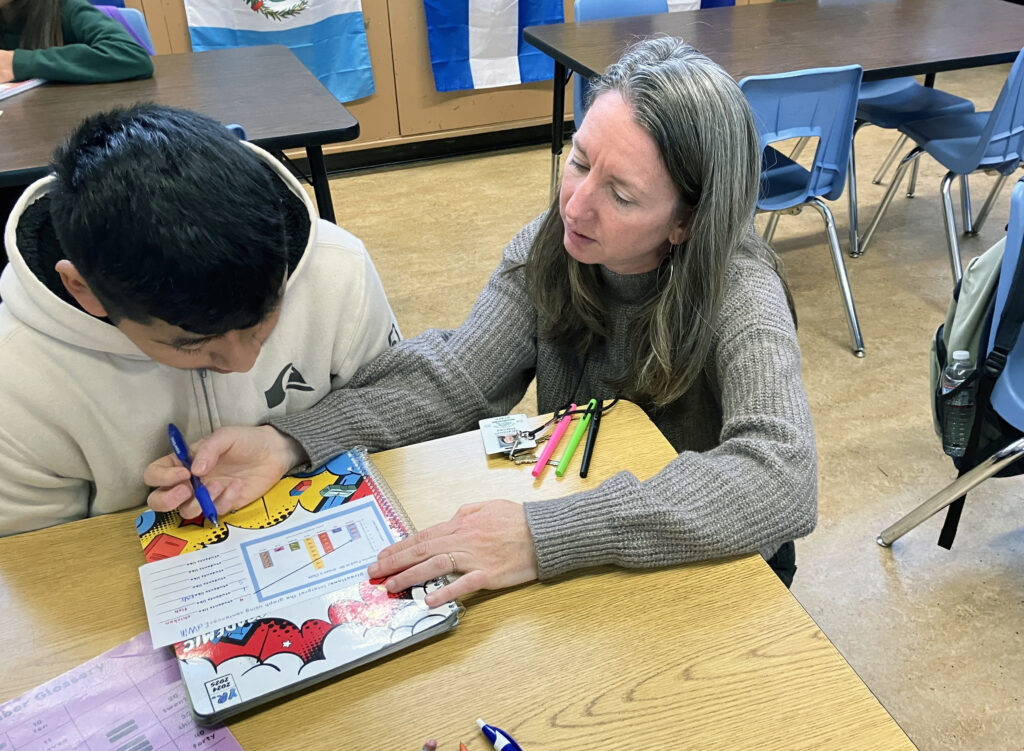
For years, many school districts have witnessed a steady influx of immigrant students, necessitating the development and expansion of dedicated newcomer programs.These programs are crucial for providing targeted support, including English language acquisition, academic catch-up, and essential social-emotional resources.
However, recent data and anecdotal evidence from educators suggest a significant downturn in the number of these students enrolling.
This decline is not a uniform phenomenon but is being observed in various regions, prompting concern among educational leaders.
Several interconnected factors are believed to be contributing to this unexpected enrollment decrease.
Studies indicate that shifts in federal immigration policies and border management strategies have played a substantial role.
These policy changes have, in turn, influenced migration patterns, leading to a reduction in the number of families arriving and seeking immediate enrollment in schools.
The impact of these policy shifts is felt directly within school districts, as the pipeline of new immigrant students begins to slow.
Furthermore, the cessation or significant curtailment of certain refugee and asylum programs, which previously provided pathways for vulnerable populations to enter and establish themselves, has also been cited as a contributing factor.
These programs often facilitated the integration of families, including their children's access to education.
When these avenues are restricted, the number of new immigrant students entering the school system naturally diminishes.
The Ripple Effect of Policy Changes
It's important to understand that these are not isolated events.The global political climate and international relations can have profound and direct consequences on local school communities.
When policies change at a national or international level, the impact is often felt most acutely by the most vulnerable populations, including children seeking education.
The reduction in border crossings, while a policy objective, directly translates into fewer students needing the specialized support that newcomer programs are designed to provide.
This is a complex issue that requires a nuanced understanding of both global trends and local educational realities.
The Peril to Essential Support Systems: Newcomer Programs at Risk
The decline in new immigrant student enrollment presents a critical challenge to the very programs established to support them.Newcomer programs are not merely an add-on; they are often the bedrock upon which immigrant students build their educational foundation in a new country.
These programs typically offer:
- Intensive English Language Instruction: Tailored classes designed to accelerate English proficiency, a key factor for academic success.
- Academic Bridging: Support to help students catch up on curriculum they may have missed in their home countries or to adapt to a new educational system.
- Cultural Orientation: Assistance in understanding the social norms, expectations, and resources available within their new school and community.
- Social-Emotional Support: Access to counselors and social workers who can address trauma, acculturation stress, and provide connections to essential services like housing and legal aid.
- Family Engagement: Initiatives to involve parents and guardians in their child's education and connect them with community resources.
This can lead to the scaling back or even elimination of these vital programs.
The concern is that as these specialized services diminish, the immigrant students who remain – and there will still be many – may not receive the accessible and targeted education they require to succeed.
This could lead to increased frustration, academic disengagement, and a higher risk of dropping out, particularly for those students who struggle to adapt without dedicated support.
The Risk of Undermining Progress
For years, districts have invested significant time, effort, and resources into developing robust curriculum and effective service delivery models for newcomer students.A sudden decline in enrollment, followed by program cuts, risks undoing this progress.
It can lead to the loss of experienced staff who specialize in working with this population, the consolidation of services that were once widely available, and a reduction in the number of schools offering dedicated support.
This creates a precarious situation where the gains made in supporting immigrant students could be jeopardized, impacting their long-term educational trajectories.
District Experiences: A Snapshot of the Challenges
Across various school districts, educators are grappling with the realities of this enrollment shift.In some areas, schools that were once bustling with the daily arrival of new immigrant students are now experiencing a near standstill.
This stark contrast is a cause for significant concern.
One district, which had established comprehensive programs for immigrant students over a decade ago, is now contemplating a substantial reduction in its services.
This district historically saw a consistent flow of new students, often requiring the creation of new classes to accommodate them.
This year, however, the enrollment has slowed dramatically.
School leaders are now facing the difficult prospect of consolidating programs, potentially reducing the number of schools offering specialized newcomer services from a wide network to a much smaller, centralized hub.
This consolidation could mean that students in certain geographic areas may have to travel further or enroll in mainstream classes without the benefit of dedicated newcomer support.
The Unintended Consequences for Students
While some immigrant students may seamlessly integrate into mainstream classrooms and excel, research indicates that many require specialized assistance to navigate the complexities of a new educational environment.Without the targeted support of newcomer programs, these students can become overwhelmed, leading to feelings of isolation, academic struggles, and a potential disengagement from school.
The fear is that the very students who stand to benefit most from specialized programs will be left without them, creating an equity gap.
Anticipating Future Trends: Proactive Strategies for Schools
While the current decline is a pressing concern, forward-thinking districts are also looking ahead to anticipate future demographic shifts and their potential impact.Even in districts that haven't yet experienced a significant enrollment drop, leaders are closely monitoring trends and preparing for potential changes.
One area of focus is the diverse origins of immigrant students.
For instance, a district might have seen a notable increase in students from a particular region due to specific geopolitical events.
However, subsequent policy changes affecting visa issuance or immigration status for nationals from that region can lead to a projected decrease in future enrollments.
This requires districts to be agile and adaptable in their planning.
Addressing Fear and Building Trust
Beyond policy shifts, the climate of fear surrounding immigration enforcement can also influence enrollment decisions.Some immigrant families may be hesitant to engage with schools, attend events, or even accurately complete home language surveys due to concerns about their immigration status.
This can lead to a disconnect between the actual linguistic background of students and the information available to the school, hindering the provision of appropriate support.
Building trust and creating a welcoming, safe environment for all families is therefore crucial.
Schools can achieve this through:
- Clear Communication: Providing transparent information about school policies and student rights.
- Community Partnerships: Collaborating with community organizations that can offer legal and social support to families.
- Culturally Responsive Practices: Ensuring that school staff are trained in cultural competency and can engage with families in a respectful and understanding manner.
- Confidentiality: Reassuring families about the confidentiality of information shared with the school.
This highlights the complex and often unpredictable nature of migration patterns and the need for ongoing vigilance and responsiveness.
Conclusion: Ensuring Equity in a Changing Educational Landscape
The current decline in new immigrant student enrollment presents a complex challenge for school districts globally.While the reasons are multifaceted, stemming from shifts in immigration policies and global events, the potential impact on newcomer programs and the students they serve is significant.
These programs are not just about language acquisition; they are vital lifelines that provide academic, social, and emotional support, enabling immigrant students to integrate successfully and reach their full potential.
As districts navigate these changing demographics, it is imperative that they prioritize the continuity and accessibility of these crucial services.
This requires proactive planning, a deep understanding of the factors influencing migration, and a steadfast commitment to educational equity.
By fostering strong community partnerships, implementing culturally responsive practices, and advocating for policies that support immigrant students, schools can ensure that even amidst shifting sands, every newcomer student has the opportunity to thrive and contribute to their new community.
The future of education for immigrant students depends on our ability to adapt, innovate, and steadfastly support those who are most in need.




 Explore AI Teaching Tools
Comments (0)
Please login to comment
No comments yet
Be the first to comment on this article