
GenAI in Education: Unlocking Smarter Learning and Essential Skills
The rapid integration of generative artificial intelligence (genai) into our daily lives has sparked a profound transformation in education.From students seeking instant answers to teachers crafting dynamic lesson plan Generator">lesson plans, this technological wave, accelerated by tools like ChatGPT, is reshaping how we learn and teach.
Unlike previous educational technologies, genai is largely accessible, intuitive, and incredibly versatile, capable of assisting with a vast array of tasks in mere seconds.
This article explores the exciting opportunities and critical considerations for effectively leveraging genai within the educational landscape, focusing on how it can enhance learning and equip students with vital future-ready skills.
Harnessing GenAI for Enhanced Learning Experiences
Genai presents a powerful opportunity to augment traditional learning methods, provided it's guided by clear pedagogical objectives.When thoughtfully integrated, these tools can serve as valuable aids, offering personalized support and innovative ways to engage with subject matter.
The key lies in ensuring that genai complements, rather than replaces, the essential cognitive processes that foster deep understanding and critical thinking.
The Power of Purpose-Built Educational Tools
While general-purpose genai tools can offer immediate benefits, research indicates that specialized genai applications designed specifically for education often yield superior learning outcomes.These purpose-built tools are grounded in learning science and are developed with a clear pedagogical intent.
They can function as intelligent tutors, creative collaborators, or virtual research assistants, offering tailored support that aligns with how individuals acquire knowledge and skills.
Studies suggest that these specialized tools can significantly improve student mastery and engagement.
GenAI as a Learning Catalyst
Genai can act as a powerful catalyst for learning when used strategically.For instance, genai-powered tutoring assistants have shown promise in expanding the capacity of human tutors.
Less experienced educators, when supported by genai, have demonstrated improved tutoring strategies, leading to significant gains in student comprehension of complex topics.
Furthermore, interactive genai tools designed for teacher training allow novice educators to practice their skills in simulated environments, boosting their preparedness and confidence.
These advancements highlight the potential for genai to elevate teaching quality and student success.
Navigating the Nuances: Risks and Responsible Integration
While the potential of genai in education is immense, it's crucial to acknowledge and address the inherent risks.The ease with which genai can provide answers can, if not managed carefully, circumvent the "productive struggle" that is fundamental to deep learning.
This struggle, characterized by sustained effort and perseverance, is essential for consolidating knowledge and developing cognitive stamina.
Avoiding "Metacognitive Laziness"
When genai tools are used without a clear educational purpose, they can inadvertently foster what researchers term "metacognitive laziness." This occurs when students rely on AI to complete tasks without engaging in the critical thinking and problem-solving processes necessary for genuine understanding.While immediate task completion might improve, the long-term consolidation of knowledge and the development of skills like deep reading and sustained attention can be compromised.
This disengagement can hinder the development of essential learning habits.
The Importance of Pedagogical Intent
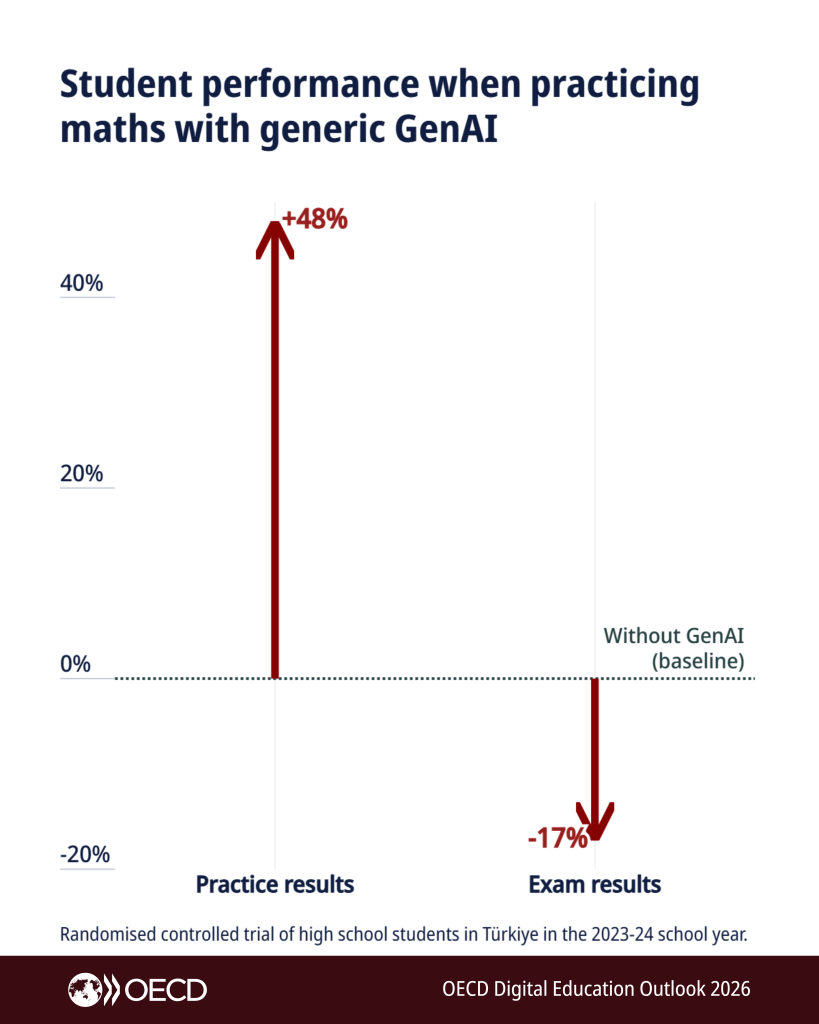
The effectiveness of genai in education hinges on its application.Research indicates that while students might see improvements in the quality of their responses when using general-purpose genai tools for study, their performance in assessments may not reflect this improvement and could even decline.
This suggests that simply accessing these tools is not enough; their use must be guided by sound pedagogical principles.
Education systems should prioritize tools that are explicitly designed to enhance teaching and learning, developed in collaboration with educators and students, and rigorously tested for efficacy.
Building Future-Ready Skills with GenAI Literacy
As genai continues to evolve, developing genai literacy among students and teachers is paramount.This involves understanding how these tools work, their capabilities and limitations, and how to use them ethically and effectively.
Equipping learners with these skills is not just about academic success; it's about preparing them for a future labor market where proficiency with AI tools will likely be a significant advantage.
GenAI as a Tool for Skill Development
Genai can be a powerful ally in developing a range of essential skills.When used as a creative partner, it can help students brainstorm ideas, explore different perspectives, and refine their work.
As a collaborative tool, it can facilitate group projects and peer learning.
In essence, genai can empower students to become more efficient learners and more innovative thinkers, fostering skills that are transferable across various disciplines and future careers.
Empowering Teachers with GenAI
For teachers, genai offers opportunities to streamline administrative tasks, personalize learning experiences, and access new pedagogical strategies.By understanding and integrating genai effectively, teachers can dedicate more time to high-impact instruction and student support.
This shift, driven by intelligent tools, can lead to a more dynamic and responsive educational environment, benefiting both educators and students.
Conclusion
Generative AI is not a panacea for all educational challenges, but it holds immense potential to enrich learning and equip students with critical future skills.Its effectiveness lies in intentional and strategic implementation, prioritizing purpose-built tools and a strong pedagogical framework.
By fostering genai literacy and ensuring that these powerful technologies augment, rather than replace, essential cognitive effort and teacher judgment, education systems worldwide can harness genai to create more engaging, effective, and equitable learning experiences for all students.





 Explore AI Teaching Tools
Comments (0)
Please login to comment
No comments yet
Be the first to comment on this article