
California's Young Readers Face Unnecessary Delays: Experts Warn New Rules Undermine Crucial Early Screening
A staggering number of young students across California are at risk of falling behind before they even master the alphabet, a crisis that a landmark law aimed to combat. However, proposed changes to the implementation of this critical legislation threaten to delay vital early identification and support for struggling readers, sparking alarm among education experts and advocates.
The Foundation of Learning Under Threat
Reading proficiency by the end of third grade is not just a milestone; it's the bedrock upon which all subsequent academic success is built. Students who don't achieve this benchmark are significantly more likely to face persistent academic challenges throughout their educational journey.
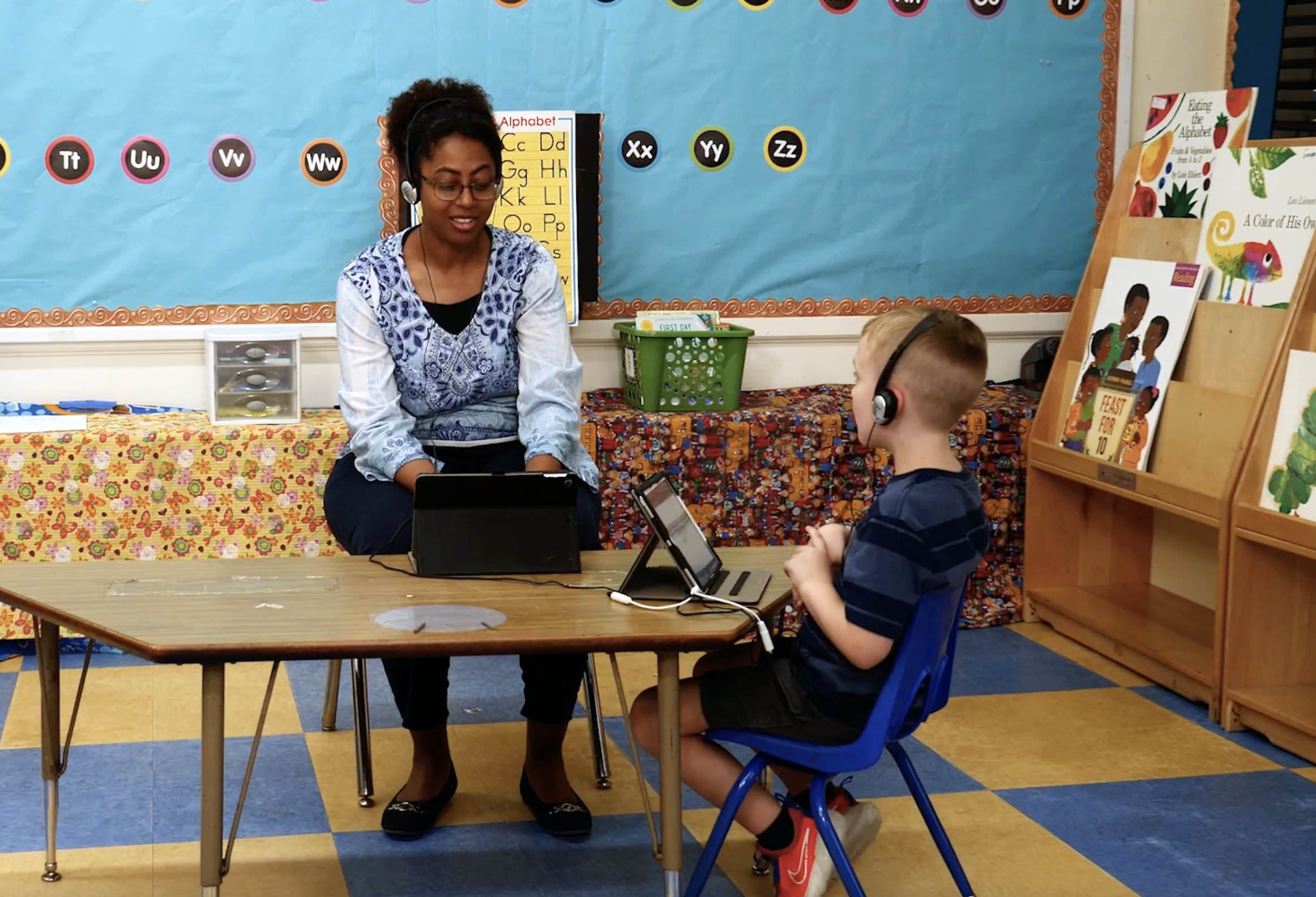
Recognizing this stark reality, California enacted Senate Bill 114, a progressive law mandating that educational agencies screen all students in kindergarten through second grade for reading difficulties. The law's intent is clear: to identify potential issues early and provide targeted, preventive instruction to ensure every child has the opportunity to become a proficient reader.
These reading difficulties are not confined to a single diagnosis like dyslexia. They encompass a broad spectrum of challenges across various reading subskills, whether stemming from learning disabilities or external factors such as limited prior instruction or insufficient literacy exposure at home.
A Troubling Shift in Implementation
SB 114 represents a significant commitment to evidence-based practices, acknowledging that early identification coupled with responsive instruction is one of the most potent strategies for supporting students with reading challenges. The scientific backing for this approach is robust and widely accepted within the educational community.
However, recent proposed amendments to the state's Education Code have introduced a concerning new timeline for these essential screenings. These changes would push back the administration of early literacy screeners, a move that experts argue directly contradicts the spirit and effectiveness of the law.
Specifically, the proposed regulations would prohibit kindergartners from being screened until the 91st day of school. For first and second graders, the delay would be slightly less severe but still significant, pushing screenings to the 46th day of the academic year.
Timing is Everything: The Science of Early Screening
As the former chair of the Reading Difficulties Risk Screener Selection Panel, the body responsible for selecting the screening tools now used in California schools, I can attest to the critical role of timing in effective assessment. To my knowledge, the experts, advocates, and panel members who were instrumental in shaping the state's screening approach were not meaningfully consulted before these restrictive timelines were proposed.
The majority of the screening tools selected by the state are specifically designed for administration at the beginning of the school year. This timing is not arbitrary; it is based on research demonstrating that early fall scores are highly predictive of a student's reading outcomes by the end of the year and in subsequent years.
Delaying these screenings by weeks, or even months, means delaying the crucial identification of students who need support and delaying the implementation of the very interventions that SB 114 was designed to deliver. This delay directly undermines the law's core purpose.
Unlocking Student Potential with Data
The true power of early screening lies not just in identifying a problem, but in understanding a student's trajectory. When fall screening data is paired with subsequent assessments, such as those administered in the winter, educators gain invaluable insights into how each child responds to instruction over time.
This longitudinal data allows educators to differentiate instruction effectively. Some students, when provided with high-quality instruction, may quickly catch up. Others, however, will continue to struggle, and this difference is essential for calibrating the intensity and type of instructional support needed.
Withholding this critical fall data point deprives educators of the information they need to make timely, informed decisions. This is a significant departure from best practices, and I am unaware of any other state that imposes such restrictions on early grade reading screenings.
Addressing Concerns for English Learners
A legitimate concern has been raised regarding the potential for early screening to misidentify English learner students. The argument is that low scores might reflect the natural process of language acquisition rather than an underlying reading difficulty.
It is important to note that SB 114 already incorporates mechanisms to address this very concern. The law explicitly directs that screening results be interpreted within the context of a student's language development. Furthermore, the data necessary for this contextual interpretation, such as language proficiency information, is typically collected at the time of enrollment.
While proponents of the delay suggest that waiting allows educators to observe language and literacy growth before making judgments, this approach has limitations. Informal observation, while valuable as a supplementary tool, cannot replace the diagnostic precision of a validated assessment instrument.
A score below the benchmark on a screening tool should serve as an opportunity to investigate further, not as a reason to postpone intervention. It prompts educators to consider whether a student's profile aligns with a typical language acquisition trajectory or if a distinct reading difficulty is present, irrespective of their language background.
Waiting until winter to administer screenings does not enhance the accuracy of this judgment; it merely postpones the educator's ability to make that judgment and, consequently, delays the support that students may urgently require.
Refining Implementation, Not Restructuring
The current proposed structural delay, which withholds essential data from all students, runs counter to both the letter and the intended spirit of SB 114. California's schools are in the nascent stages of implementing this vital legislation, with many districts entering only their second year of practice.
The focus at this critical juncture should be on refining existing practices based on the valuable lessons learned during the first year of implementation. Instead, the proposed changes risk restructuring processes to accommodate arbitrary new timelines, potentially hindering progress.
True refinement involves several key areas: deepening educators' capacity to effectively utilize screening data, strengthening the infrastructure that connects assessment to instruction, and improving transparent communication with families about their child's progress and any identified needs.
Investing in Educator Capacity
California's proposed budget includes a significant investment of $40 million dedicated to ongoing professional development in support of literacy implementation. This funding is both necessary and timely, offering a crucial opportunity to bolster the state's efforts.
When strategically directed, these resources can significantly enhance the effectiveness of early screening. This includes training educators to interpret screening data within the appropriate context, equipping them to plan and deliver differentiated instruction, and providing specialized support for English learners.
Every child deserves a strong, timely start to their academic journey. While the intent behind the proposed changes—protecting English learners and students from historically underserved communities from misidentification—is undoubtedly a worthy and legitimate goal, the chosen method of delaying screenings is counterproductive.
Extending uncertainty for educators and, more importantly, withholding essential support from the children who need it most, is not the solution. California's literacy reforms are grounded in scientific research, and the policies governing their implementation should reflect that same unwavering commitment to evidence-based practices.
The Legislature has an opportunity to ensure that California's schools can implement SB 114 as both the research and the law intended. Removing these restrictive timelines from the budget trailer bill will allow for the timely identification and support that will set the state's youngest learners on a path to reading success.







 Explore AI Teaching Tools
Comments (0)
Please login to comment
No comments yet
Be the first to comment on this article