
California State University's Ambitious Housing Push: Can 18,000 New Beds Solve a Growing Crisis?
The dream of a college education is increasingly colliding with the harsh reality of finding an affordable place to live. For thousands of students across the California State University (CSU) system, the search for a safe and affordable bed on or near campus has become a daunting obstacle, pushing some to the brink of homelessness and forcing others to make impossible choices about their academic futures.
The Deepening Housing Squeeze
Sofia Gonzalez, a business and marketing major at Sacramento State University, experienced this firsthand. While her first year of on-campus living offered convenience and community, the prospect of her sophomore year brought a wave of anxiety. Friends who applied for university housing were placed on waitlists, and the steep cost of on-campus rent loomed large.
Faced with limited options and a tight budget, Gonzalez found herself priced out of housing near campus. The thought of a two-hour commute each way from her parents' home or transferring to a community college became stark possibilities. This struggle is not unique; it reflects a systemic challenge impacting low-income students throughout the CSU system.
Estimates reveal that housing costs can account for as much as half the total cost of attendance at CSU institutions. Alarmingly, surveys indicate that a significant portion of CSU students—around 11%—report experiencing homelessness or housing insecurity, a stark indicator of the crisis.
A Decade of Building, Yet Still Falling Short
In response to this growing need, the CSU system has undertaken a substantial building initiative. Between 2014 and 2024, the university system successfully added more than 17,000 new student beds. An additional 5,600 beds are currently under construction or have received approval for development.
These investments are gradually transforming many CSU campuses into more residential environments, a shift from their historical reliance on commuter students. However, the core question remains: Is this enough? As housing markets in many university towns become increasingly expensive, the demand for on-campus alternatives continues to surge.
A systemwide housing plan released in July outlines ambitious goals, envisioning the creation of an additional 12,600 student beds by 2030. CSU officials believe that expanding on-campus housing will not only improve student academic outcomes but also alleviate the severe housing pressures faced by the system's 460,000 students, 87% of whom currently live off campus.
Uneven Demand and Shifting Enrollment
The trajectory of future housing development across the CSU system is likely to be influenced by fluctuating enrollment trends. While some campuses are experiencing robust demand, leading to the conversion of double-occupancy rooms into triples to accommodate more students, others are grappling with declining enrollment and vacant dormitories.
This disparity presents a complex challenge for the system's housing strategy. The goal is to ensure that resources are allocated effectively to meet the needs of students across all campuses, regardless of their enrollment size.
A Potential Lifeline: The 2026 Bond Measure
State lawmakers are currently considering a significant bond measure slated for the 2026 ballot. This measure, if approved by voters, could provide crucial funding for student housing and other essential facilities across the CSU, the University of California, and the California Community Colleges systems.
Proponents argue that such a bond could be a game-changer in making higher education more accessible and affordable, particularly for students from low-income backgrounds. Assemblymember David Alvarez, a key advocate for the measure, emphasized the critical link between stable housing and academic success.
“To make sure students are successful in their learning, they’ve got to be able to have stable housing,” Alvarez stated at a legislative hearing. The proposed bond aims to address this fundamental need, ensuring that students have a secure foundation upon which to build their educational journeys.
Campus-Specific Struggles and Successes
The housing crunch is acutely felt at individual campuses. At Cal State Northridge, for instance, plans to open a new 198-bed housing complex this fall were met with a staggering 2,000 students on the housing waitlist for fall 2024. Kevin Conn, the university's executive director of student housing and residential life, described the heartbreaking calls from students desperately seeking a place to live.
Sacramento State University faces a similar dilemma. Last fall, over 4,400 students applied for campus housing, but only 3,300 beds were available. While the campus has plans to increase its housing capacity in the coming years, the immediate need remains pressing.
For students like Sofia Gonzalez, the off-campus search proved challenging. She eventually found a room 30 minutes away for $800 a month. While within her budget, this expense necessitates a second job to cover rent and living costs, highlighting the financial strain many students endure.
A Systemwide Shift Towards Residential Campuses
The California State University system, historically known for serving a large commuter population, has significantly increased its investment in student housing over the past two decades. Federal data indicates that CSU has nearly doubled its student housing capacity since 2004.
Despite these efforts, the CSU system still houses a smaller percentage of its students compared to the University of California system. UC housing accommodates approximately 40% of its students, translating to over 120,000 students, while CSU provides housing for roughly 60,000 students. In both systems, a majority of students continue to reside off campus.
The Academic Advantage of On-Campus Living
CSU officials strongly advocate for the expansion of university housing, citing evidence that links on-campus living to improved academic performance. Research from San Diego State University, for example, shows that students residing on campus tend to have higher graduation rates, better grade point averages, and lower instances of academic probation compared to their off-campus peers.
These positive effects have been documented in other states as well, underscoring the broader impact of stable housing on student success. The university system aims to replicate these outcomes across its diverse campuses.
Navigating Affordability and Rising Costs
A primary concern for CSU is ensuring that student housing remains affordable. University officials strive to keep on-campus rates competitive with those of peer institutions and the surrounding private rental market. In 2024, the average cost for a two-person unit in a CSU residence hall was $9,668 for the academic year.
However, costs vary significantly across the system. Cal Poly Humboldt offered the most affordable doubles at an average of $6,624, while San Diego State's average rate reached $14,344, making it the most expensive in the system. This wide range reflects the diverse economic landscapes in which CSU campuses are situated.
Financial Hurdles and Deferred Maintenance
The potential for a significant increase in housing construction faces financial headwinds. If a bond measure is approved, housing projects will inevitably compete for funding with the university system's substantial deferred maintenance needs. Furthermore, the CSU system is currently navigating a considerable budget gap of $2.3 billion, which could temper ambitious expansion plans.
Kamran Garcia Hosseinzadeh, a recent graduate and former resident advisor at Cal State Dominguez Hills, expressed skepticism about the university's capacity to fund and operate expanded housing. CSUDH plans to add hundreds of beds by 2026, but concerns about financial sustainability linger.
Enrollment Declines and Occupancy Challenges
Declining enrollment at certain CSU campuses adds another layer of financial uncertainty to the housing equation. While systemwide housing occupancy stands at 92%, campuses like Sonoma State University and CSU East Bay are experiencing significantly lower rates, with 64% and 58% occupancy respectively in fall 2024.
Cal State Los Angeles has also faced challenges in recovering from a pandemic-era downturn in housing occupancy. Auditors reported that years of operating losses in its housing program have depleted reserves, with occupancy dropping as low as 60% in recent years. The housing program required "unanticipated emergency repairs," according to auditors.
In response to the audit, Cal State Los Angeles's director of housing indicated that the university had implemented "sweeping corrective measures" to improve its campus housing offerings.
Confidence in Growth Potential
Despite warnings of an impending decline in the traditional college-aged population, university officials at other CSU campuses remain optimistic about their ability to expand housing. They contend that even if overall student headcount plateaus, existing housing waitlists and other indicators suggest a significant unmet demand.
The goal is to attract students who are currently forced to seek off-campus housing into the more affordable and supportive environment of on-campus dormitories, thereby easing their financial burdens and enhancing their academic experience.
An Innovative Approach in San Luis Obispo
Cal Poly San Luis Obispo stands out as a housing leader within the CSU system, boasting nearly 9,000 on-campus beds. Given that a large proportion of its students come from outside the county, many of the roughly 14,000 students living off campus contribute to rising rents in surrounding residential neighborhoods.
The housing market near the Central Coast campus is particularly expensive, with average rents 31% higher than the national average. This forces budget-conscious students into less-than-ideal living situations, sometimes lacking basic safety features like fire escapes or working smoke detectors.
Jordan Schleifer, a recent graduate and former housing advocate, noted that students often endure unsafe conditions because they fear losing their housing altogether. The university's master plan projects an increase in student headcount from 22,400 in fall 2024 to 25,000 by 2035, further intensifying the need for housing solutions.
Modular Housing: A Cost-Saving Experiment
To mitigate construction costs and keep student housing affordable, Cal Poly San Luis Obispo is exploring innovative solutions. The university has converted some double-occupancy dorms into triples. Its most ambitious initiative involves the installation of modular, factory-built housing units, with the aim of adding up to 4,000 beds over several years.
These modules will be trucked to campus and assembled like building blocks. Mike McCormick, the university's vice president of facilities management and development, explained that the hope is that as production scales up, the cost per module will decrease compared to traditional on-site construction. "We have to start somewhere," McCormick stated, acknowledging the early stages of this process.
Legislative Action and State Support
Reports of students living in their cars and widespread housing insecurity have prompted state lawmakers to adopt a more proactive stance on student housing. Historically, CSU has financed housing through bond issuances. However, in 2021, state legislators established a $2.2 billion grant program to support housing projects across the CSU, UC, and community college systems.
This grant program has already funded a dozen projects within the CSU system, collectively adding an estimated 5,000 beds. These projects, ranging from Cal Poly Humboldt to San Diego State, received approximately $660 million in state grants, covering nearly half the cost of the initiatives, with the CSU system providing the remainder.
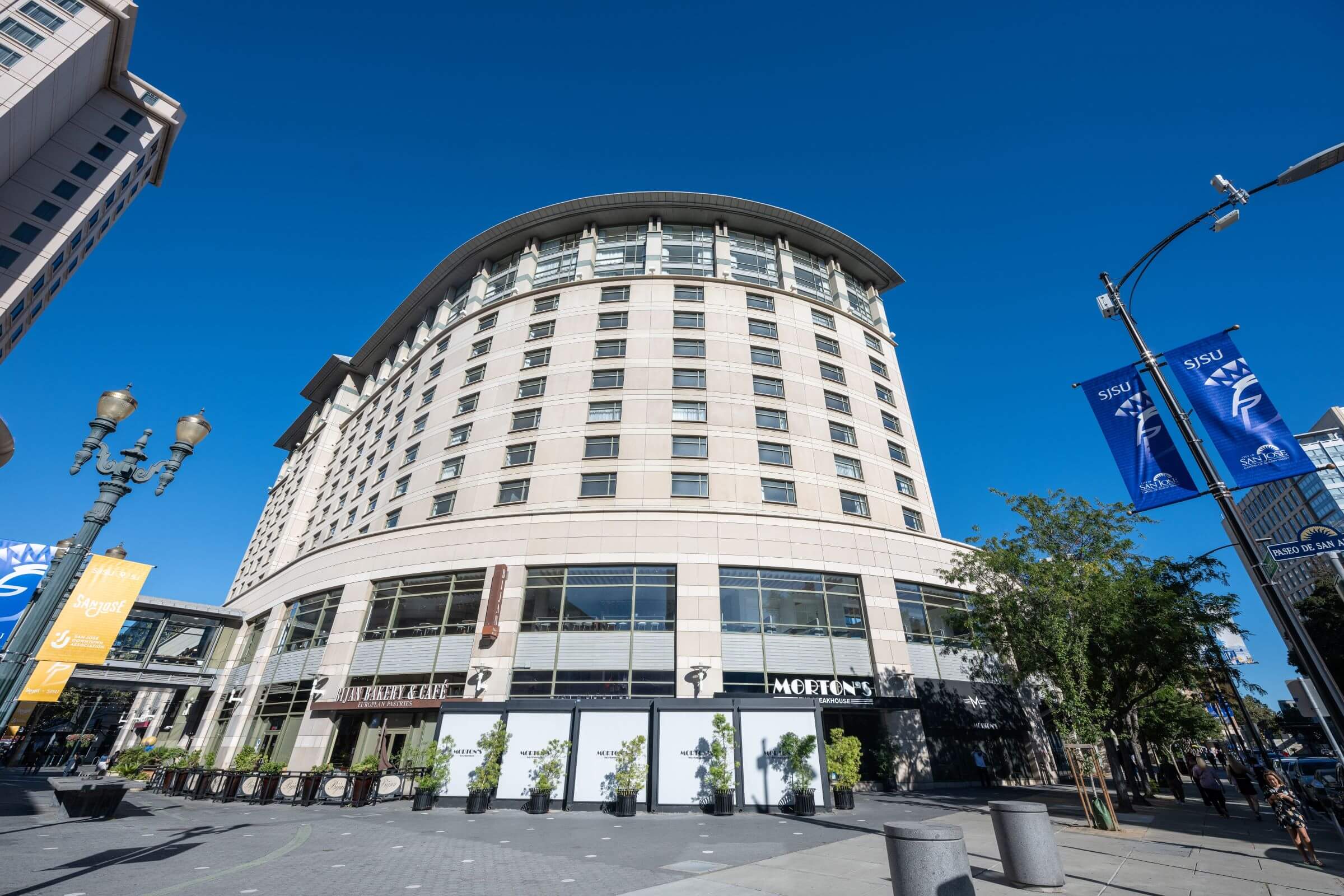
Some of these newly constructed housing facilities are now open to students. Notable examples include a 729-bed project at San Francisco State University and San José State University’s Spartan Village, which transformed an existing hotel into student residences.
Streamlining Development and Future Bonds
With state grant funding now allocated, advocates are shifting their focus to legislative efforts aimed at encouraging off-campus housing development. One proposal seeks to create "campus development zones" to streamline the review process for housing projects.
Meanwhile, Assembly Bill 48, a state facilities bond measure, has passed the Assembly and is currently under consideration in the Senate. The specific dollar amount and details of this bond are expected to be finalized by spring 2026, with the goal of placing it on the November ballot.
Assemblymember Alvarez reiterated the profound impact of housing availability on educational access. "The decision to send someone to college or not can literally depend on whether there's affordable housing for them in those communities," he said. The ongoing efforts underscore a commitment to ensuring that affordable housing options are available throughout the state for families aspiring to send their children to college.






 Explore AI Teaching Tools
Comments (0)
Please login to comment
No comments yet
Be the first to comment on this article