
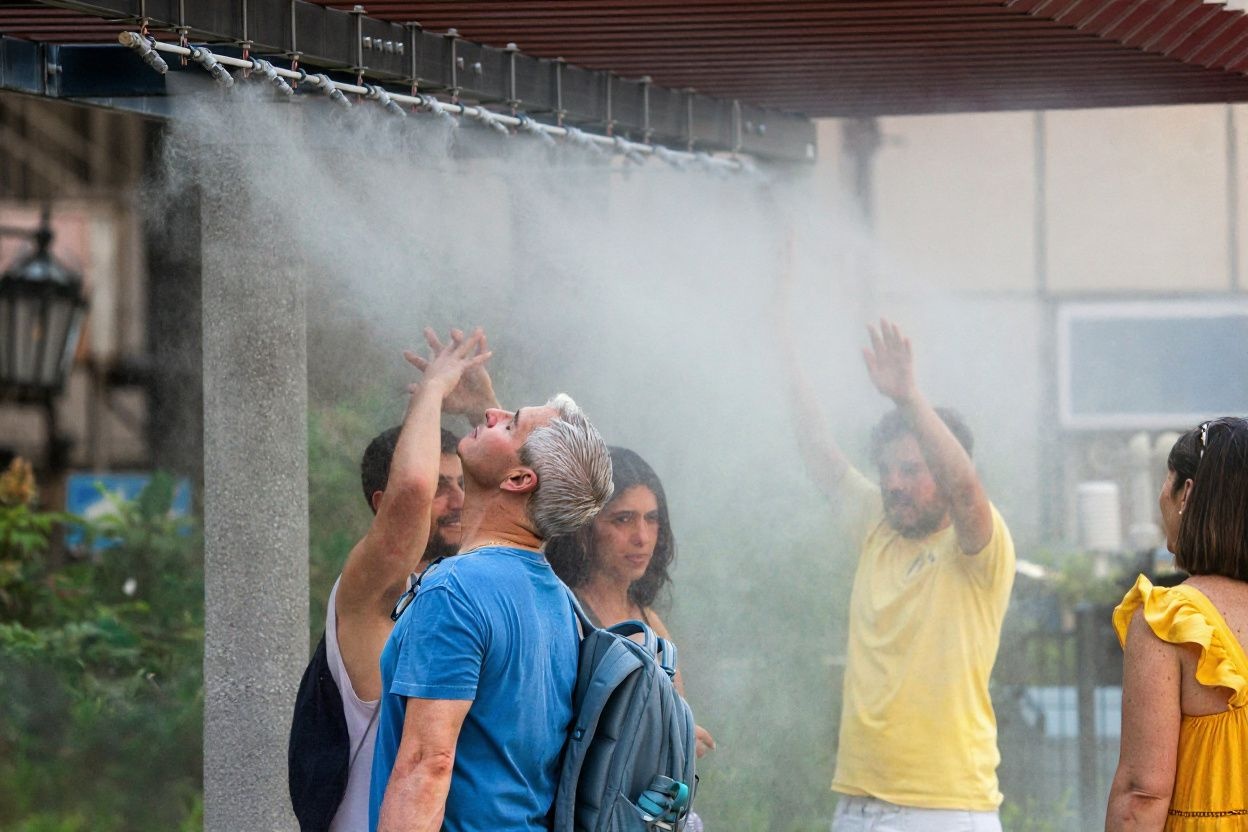
Scorching Horizons: Navigating the World's Hottest Cities for Your University Journey
The mercury is climbing, and for many, the thought of sweltering under an unrelenting sun while commuting to class is a daunting prospect. Yet, for a growing number of students, the allure of studying in some of the Earth's most intensely hot locations is a reality. These places, often characterized by their extreme temperatures, present unique challenges and opportunities for those seeking higher education in diverse global settings.
The Unseen Impact of Extreme Heat
Beyond mere discomfort, extreme heat poses significant health risks. The human body, when pushed to its limits by soaring temperatures, experiences immense strain. This can lead to heat-related illnesses, ranging from debilitating heat exhaustion to life-threatening heatstroke.
The physiological toll is substantial. The body's efforts to cool itself place immense pressure on vital organs like the heart and kidneys. This stress can exacerbate pre-existing chronic conditions, particularly those affecting the cardiovascular and respiratory systems, and can even lead to acute kidney injury.
Tragically, the human cost of extreme heat is starkly illustrated by recent events. In 2024, over a thousand pilgrims in Saudi Arabia succumbed to intense heat, with temperatures exceeding 37.7°C (100°F). Similarly, hundreds of young attendees at a major international gathering were hospitalized for heat exhaustion, with many more exhibiting symptoms of heat-related distress.
The academic environment is not immune. Research indicates a direct correlation between rising temperatures and diminished student performance. Studies have shown that without adequate cooling, a mere 1-degree Celsius increase in a school year can lead to a 1% reduction in learning. This suggests that the hottest places on Earth may present a significant academic hurdle for students.
Furthermore, the psychological effects of heat are undeniable. Aggression and violence have been linked to hotter weather, with some experts suggesting that extreme temperatures could contribute to increased rates of bullying among students. The cumulative impact of heat on well-being and academic success cannot be overstated.
Embracing the Heat: Strategies for Success
Despite the inherent dangers, the pursuit of knowledge in these sun-baked locales continues. For those drawn to the unique experiences offered by these regions, a proactive approach to safety is paramount. Understanding and implementing preventative measures can significantly mitigate the risks associated with extreme heat.
Key strategies include maintaining consistent hydration, even when thirst is not acutely felt. Opting for loose, lightweight clothing allows the body to breathe and regulate temperature more effectively. Pacing oneself during outdoor activities, especially during the hottest parts of the day, is crucial.
Staying informed about local weather patterns and health advisories is essential. Universities and local authorities often provide updates and resources to help residents cope with extreme heat. Simple yet effective cooling techniques, such as taking cool showers, can offer immediate relief.
A Global Survey of the Hottest Study Destinations
The Earth's surface is dotted with regions that regularly experience extreme temperatures. While some may seek refuge from the cold, others are drawn to the unique cultural and academic landscapes found in these sun-drenched cities. Here's a look at some of the hottest places on Earth where universities are thriving, offering educational opportunities amidst challenging climates.
Australia's Arid Edge: Onslow and its Academic Proximity
Onslow, a coastal town in Western Australia, frequently registers some of the highest temperatures globally. On January 13, 2022, the mercury soared to a staggering 50.7°C (123.2°F). While Onslow itself lacks a university, students can access prominent institutions like The University of Western Australia, Curtin University, and the University of Notre Dame, located within reasonable travel distance.
The Red Sea's Scorched Jewel: Jeddah, Saudi Arabia
Jeddah, a historic port city on the Red Sea, is renowned for its ancient landmarks and its position as one of the Earth's hottest destinations. A record temperature of 52°C (125.6°F) was observed on June 22, 2010. During its hottest months, average temperatures hover around 34°C (93.2°F). Jeddah is home to esteemed universities, including King Abdulaziz University, the University of Jeddah, and the University of Business and Technology, offering a robust academic environment.
"The City That Captures the Sun": Mexicali, Mexico
Located in northern Baja California, bordering the United States, Mexicali is aptly nicknamed "the city that captures the sun." Its extreme heat is legendary, with a recorded high of 52°C (125.6°F) on July 28, 1995. The city's geological position near the Tropic of Cancer contributes to low rainfall and a hot, dry climate. Students can pursue their studies at institutions such as the Autonomous University of Baja California, CETYS University, and Polytechnic University of Baja California.
The UAE's Fiery Gateway: Al Jazeera Border Gate
A considerable drive from Dubai, the Al Jazeera Border Gate has earned its place among the planet's hottest locales. On July 2002, temperatures reached a searing 52.1°C (125.8°F). July and August can see temperatures consistently hitting 48°C (118.4°F) and sometimes even 50°C (122°F), with humidity intensifying the oppressive heat. For those undeterred by the heat, the area offers universities like Jazeera University, American University in Dubai, and Middlesex University Dubai.
Pakistan's Blazing Heart: Turbat
Turbat, situated in southern Balochistan, Pakistan, is recognized for its significant cultural heritage and its extreme temperatures. The World Meteorological Organisation confirmed a record high of 53.7°C (128.7°F) on May 28, 2017, placing it among the hottest recorded temperatures on Earth. The district's annual temperature is notably higher than Pakistan's average. The University of Turbat provides a local academic option for those willing to brave the heat.
Iraq's Sun-Scorched Metropolis: Basra
Basra, Iraq's third-largest city, endures intense heat, exacerbated by water scarcity, desertification, and reduced rainfall. On July 22, 2016, the city recorded an all-time high of 53.9°C (129°F). Recent years have seen high temperatures reaching up to 46.6°C (116°F) during its hottest months. Universities in Basra are particularly known for their Petroleum Engineering and Marine Science programs, including the University of Basrah, Southern Technical University, and Basra University of Oil and Gas.
Kuwait's Equatorial Intensity: Mitribah
Mitribah, Kuwait, holds the distinction of recording the highest temperature ever for continental Asia. Its proximity to the equator, combined with low vegetation and urban development, contributes to its extreme heat. The World Meteorological Organisation documented a peak of 53.9°C (129°F) on July 21, 2016. Summer temperatures typically range from 47°C (116.6°F) during the day to 30°C (86°F) at night. Kuwait offers a range of universities, such as Abdullah Al Salem University, American University of Kuwait, and Australian University of Kuwait.
Iran's Cultural Crucible: Ahvaz
Ahvaz, located in Iran's Khuzestan Province, is a vibrant cultural hub that also experiences extreme heat. On June 29, 2017, the city's temperature reached a scorching 54°C (129.2°F), with an average daily temperature of 38.3°C (101°F). Poor air quality, stemming from factory emissions, traffic, and dust storms, intensifies the heat. Educational institutions in the vicinity include Ahvaz Jundishapur University of Medical Sciences, Shahid Chamran University of Ahvaz, and Islamic Azad University.
Africa's Hottest Point: Qibilī, Tunisia
Qibilī, in southern Tunisia, holds the record for the hottest temperature ever recorded in Africa: 55°C (131°F) on July 7, 1931. While the average temperature during its hot months (late June to mid-September) is around 26.6°C (80°F), the proximity to the Sahara Desert contributes to its extreme heat potential. Although universities are not abundant directly within Qibilī, the University of Gabes is accessible for determined students.
The Ultimate Inferno: Death Valley, California, USA
Death Valley, California, lives up to its name, holding the Earth's highest reliably measured air temperature at a staggering 56.7°C (134°F) recorded in July 1913. Average summer temperatures frequently exceed 45°C (113°F). The extreme dryness can be so intense that food can essentially toast in the open air. Visitors and residents must exercise extreme caution due to the high risk of heat-related illnesses. While no universities are located within Death Valley itself, nearby options include Deep Springs College, California State University, Bakersfield, and the University of Nevada, Las Vegas.
India's Fiery Capital: New Delhi
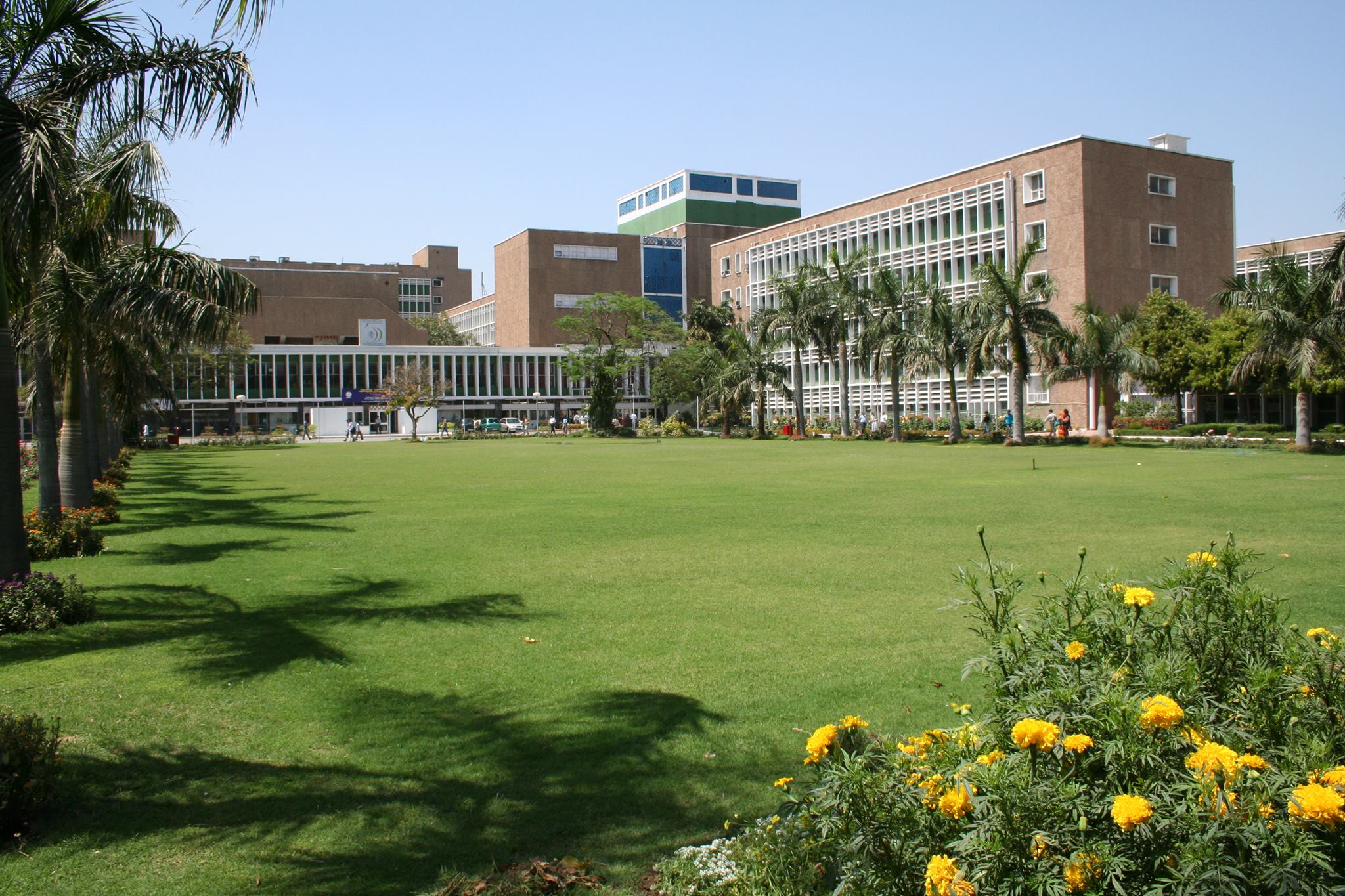
New Delhi is consistently ranked among the hottest cities globally, experiencing severe heatwaves and exceptionally high temperatures. During its summer season, temperatures typically reach 45°C (113°F). In 2024, the city recorded a peak of 52.3°C (126.1°F), tragically leading to over 100 heatstroke deaths between March and June. For students undeterred by the heat, the Indian Institute of Technology Delhi (IITD) stands as a premier institution known for its world-class education and research.
Honorable Mentions in the Heat
Beyond the top contenders, several other locations experience remarkable temperatures, offering unique study environments.
- Europe's Hottest: Athens, Greece, recorded a historic 48.0°C (118.4°F) on July 10, 1997, marking the highest temperature ever registered in Europe.
- Southeast Asia's Scorcher: Chauk, Myanmar, reached 48.2°C (118.7°F) on April 28, 2024, claiming the title for the hottest place in Southeast Asia.
- The Hottest Island: Jamaica in the Caribbean boasts a record high of 39.1°C (102°F), making it the hottest island on Earth.
Looking Ahead: The Future of Extreme Temperatures and Education
The trend of rising global temperatures suggests that the hottest places on Earth will continue to experience increasingly extreme heat. Early indications point towards 2026 potentially being another record-breaking year for global temperatures, extending a decade-long trend of unprecedented warmth. This reality underscores the growing importance of understanding and adapting to these climatic shifts.
For international students considering these destinations, preparation is key. Beyond basic precautions, it is advisable to investigate university resources such as heat-health alerts and designated cooling spaces on campus. Scheduling outdoor activities for cooler parts of the day and researching the specific climate patterns of a chosen city are also prudent steps.
Cities that have implemented formal Heat Action Plans are generally better equipped to support their residents, including students, during periods of extreme heat. As the Earth's temperature continues its upward trajectory, these proactive measures will become increasingly vital for ensuring the well-being and academic success of students in the world's hottest locales.





 Explore AI Teaching Tools
Comments (0)
Please login to comment
No comments yet
Be the first to comment on this article