
Beyond the Textbook: Why Educator Alignment is the Real Key to Learning Transformation
Across the nation, school districts are investing heavily in new curriculum, hoping to unlock significant gains in student achievement. Yet, a crucial element often remains sidelined: ensuring every educator, from the newest teacher to the superintendent, is fully aligned with the curriculum's design and demands. This disconnect can significantly slow down the very progress districts are striving for.
The traditional approach often separates leadership training from pedagogical development, creating a divide where the work of administrators and teachers feels disconnected. However, when leaders are equipped to build structures that empower teachers to prepare effectively, guide them to ensure equitable student access, and analyze their work to inform coaching, schools experience accelerated transformation. Similarly, when teachers possess a deep understanding of the curriculum and receive robust ongoing support, students achieve meaningful academic progress.
The most effective pathway to transforming student learning lies in providing cohesive support and training for all educators, including school leaders, in tandem.
A Year of Remarkable Growth: District 18's Success Story
This integrated approach was the driving force behind a powerful partnership with New York City's District 18, a district where 82% of students face economic disadvantage, and the majority are students of color.
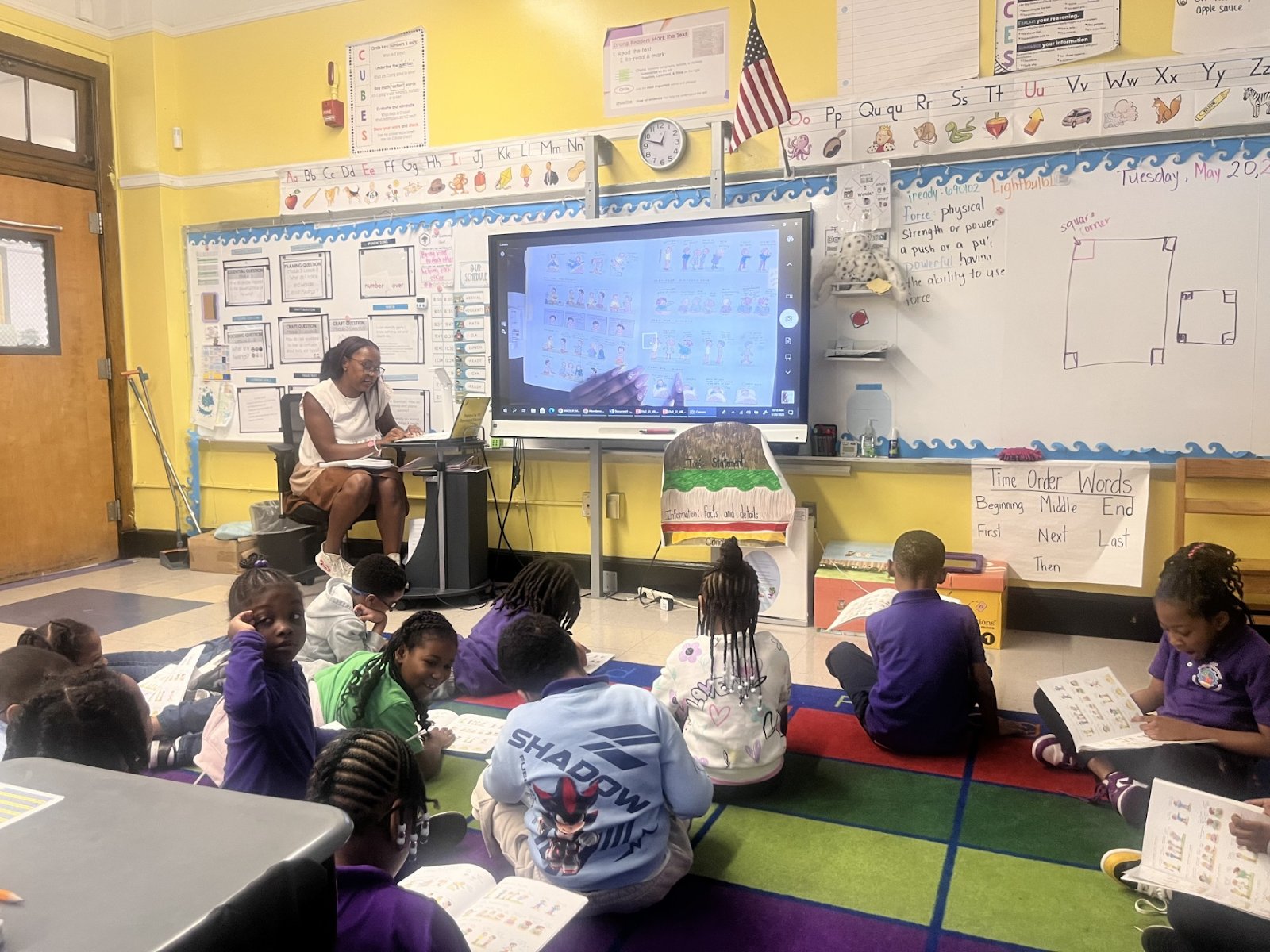
Over a single academic year, coaches worked intensively with District 18's teachers and leaders to deeply internalize and effectively implement a high-quality curriculum. This initiative built upon previous leadership development work that had already focused on cultivating instructional leadership skills among district leaders and equipping them with the tools to develop their teaching staff.
A key priority was ensuring school leaders learned alongside classroom teachers, fostering a shared understanding of the curriculum. This collaborative learning enabled leaders to observe, facilitate, and provide constructive feedback during planning meetings, ultimately positioning both teachers and students for greater success. The outcomes achieved were truly exceptional.
The Pillars of Transformation: How Alignment Drives Results
To achieve this significant shift, the strategy rested on three fundamental principles: cultivating instructionally fluent leaders, building cohesive capacity across entire teams, and ensuring long-term sustainability.
By implementing distinct yet complementary support plans for the district, principals, and individual teachers, the initiative successfully accelerated student outcomes.
Cultivating Instructionally Fluent Leaders
Exceptional student results are inextricably linked to strong, instructionally fluent leadership. In many educational settings today, leadership teams lack the deep understanding of classroom instruction necessary to provide teachers with the targeted feedback they need to improve.
A principal might typically observe a lesson and offer feedback on pedagogical techniques, but this often remains at a surface level. However, when leaders are intimately familiar with the curriculum, they can deliver feedback that is directly embedded within the curriculum's framework, significantly accelerating teacher development and, consequently, student achievement.
School leaders were coached to master curriculum-based instructional practices. When leaders can effectively model what excellent teaching looks like, teachers are inspired to follow suit. The progress seen in District 18 exemplifies what happens when leaders receive direct, consistent coaching focused on planning with all students in mind, without compromising academic rigor.
The process began with the district's literacy team, including senior district leaders. This team engaged in the same internalization protocols that teachers would later use, allowing them to gain a profound understanding of the curriculum and the essential systems and structures needed for teachers to consistently apply it.
This foundational understanding was then shared with principals, who were empowered to reflect on their school's specific systems and schedules. The goal was to ensure ample dedicated time for adult learning, allowing teachers to practice and master their new instructional resources.
Building Aligned Capacity Across Teams
The vital work of educational improvement cannot solely rest with school leaders; it must extend across the entire school community. Building aligned capacity among teachers, school leaders, and district personnel is paramount for achieving consistency and coherence in educational practice.
In District 18, the support extended to both teachers and leaders. The focus for teachers was on internalizing lessons and teaching with fidelity to the new curriculum, while school and district leaders were equipped with enhanced instructional leadership skills to provide optimal support to their teaching staff.
This seamless connection, flowing from the district office to school leaders and finally to the classroom, dismantled siloed work environments and significantly accelerated positive results.
When new professional development opportunities arose, such as training on enhancing access for multilingual learners, principals and other district and building-level leaders participated alongside their teacher teams. This ensured that everyone received the same content simultaneously.
Following these sessions, coaches would follow up with leaders, providing guidance on how to effectively coach and support their teachers in this area. Simultaneously, teachers received direct observation and feedback, along with opportunities for additional practice as needed.
Regular district-level check-ins incorporated data analysis to ensure the action plan was tailored to the specific needs of the adults within the district, moving away from a one-size-fits-all approach to professional development.
Unlike many school districts where various vendors and consultants can pull teams in conflicting directions, a single, unified system ensured everyone was working toward the same objectives. Gains that typically take three to five years to materialize were achieved in just one year, a testament to the power of prioritized alignment.
However, the rapid pace of these gains does not diminish the importance of preparing for sustained, long-term impact.
Developing Long-Term Sustainability
The ultimate objective is to build enduring capacity within a school system, rather than fostering long-term dependency on external support. Therefore, coaching strategies must be designed to evolve over time, gradually shifting responsibility to school leaders.
True sustainability is achieved when school leaders are fully capable of independently carrying forward the work of instructional improvement. By the third year of a comprehensive transformation initiative, school leaders should be adept at analyzing student data, identifying instructional gaps, and effectively leading their own teams.
School transformation efforts should be intentionally designed with the ultimate goal of empowering leadership to replicate success autonomously.
The approach emphasizes building leader capacity in parallel with teacher capacity. This is why coaches implemented a gradual release strategy. For instance, when coaches worked with a teacher to refine lesson pacing, leaders would participate, focusing on key indicators to observe.
In subsequent visits, the leader would then take the lead in providing support, receiving feedback from the coach, ultimately empowering them to address pacing issues independently.
Flipping the Model: A Comprehensive Approach to Learning
These core tenets are rooted in a fundamentally different philosophy for transforming student learning. While many curriculum providers primarily focus on teachers, this approach champions a comprehensive and cohesive strategy that engages all stakeholders.
Curriculum vendors often provide training for teachers but rarely equip school leaders with the skills to effectively lead instruction. This model reverses that dynamic by supporting educators at every level of the school system.
This integrated approach fosters a school environment that is more unified in its implementation of high-quality instructional materials, teacher coaching, and data-driven decision-making.
The impact of this aligned strategy is evident in District 18's remarkable achievements. From 2024 to 2025, the district's English Language Arts proficiency rate surged by 11.1 points, significantly narrowing the gap with the citywide average.
Students across nearly every grade level demonstrated substantial growth, with fifth graders achieving the most impressive gains, an increase of 27.1 percentage points, surpassing their citywide peers.
District 18 also recorded the most growth of any district participating in the NYC Reads initiative during its inaugural year of implementing the high-quality curriculum, with elementary schools alone improving by an impressive 18.3 points.
These outstanding results underscore the profound impact of a district-wide implementation plan that provides cohesive support and development across all levels, rather than treating these components in isolation.
When school leaders are brought closer to the classroom and develop a deep understanding of instruction, and when teachers gain a thorough grasp of their resources and receive consistent support, student growth and strong academic outcomes naturally follow.







 Explore AI Teaching Tools
Comments (0)
Please login to comment
No comments yet
Be the first to comment on this article