
Navigating the Crossroads: College Commencement Ceremonies Amidst Campus Activism
The culmination of years of hard work, college commencement ceremonies represent a pivotal moment for students, their families, and the academic institutions that have nurtured their growth.However, this year, these cherished traditions are finding themselves at the center of a complex dialogue, as student activism regarding global events intersects with the celebratory atmosphere of graduation.
This article will explore how these movements are influencing commencement plans, the varied responses from educational institutions, and what this means for the future of these significant academic milestones.
We will delve into the strategies institutions are employing, the perspectives of students, and the broader implications for campus life and learning.
The Evolving Landscape of Campus Activism and Commencement
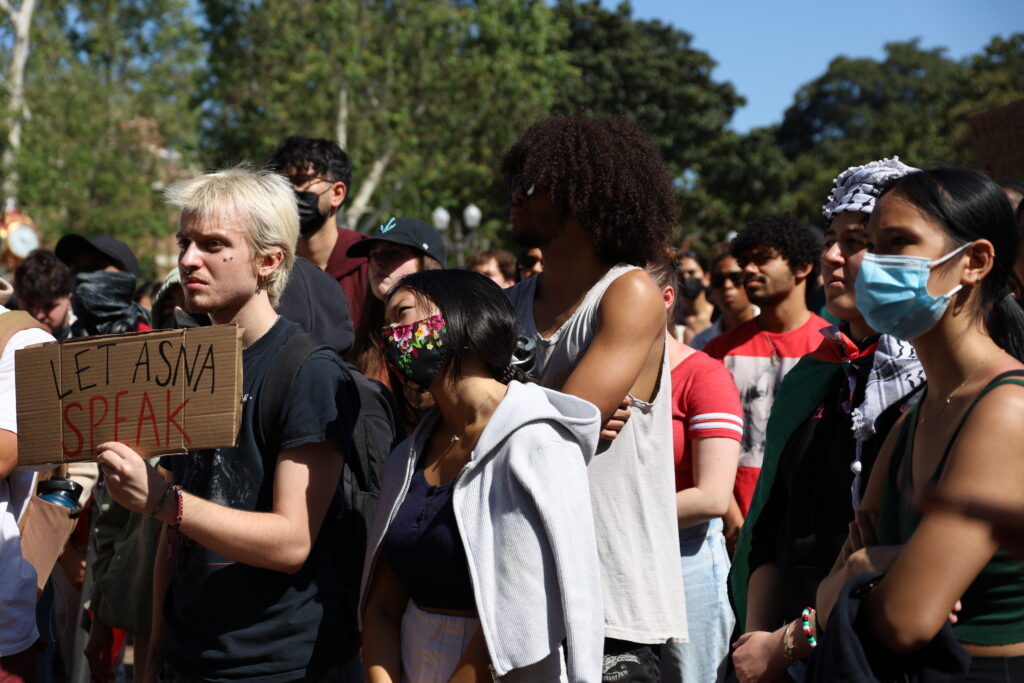
Across numerous college campuses, a wave of student-led activism has brought significant global issues to the forefront of academic discourse.This has naturally extended to the highly visible platform of commencement ceremonies.
Students, driven by deeply held convictions, have utilized various forms of protest and advocacy to draw attention to their causes.
This has, in turn, created a dynamic situation where traditional graduation plans are being re-evaluated and sometimes significantly altered.
The presence of encampments, demonstrations, and organized advocacy efforts on or near commencement venues has become a recurring theme, prompting institutions to consider security, logistics, and the overall student experience.
This intersection of activism and academic tradition is not entirely new, but the scale and nature of recent movements have presented unique challenges.
Student Demands and Institutional Responses
Student groups have articulated specific demands, often centered around institutional investments and ethical considerations related to global conflicts.These demands have frequently been presented directly to college administrations, with the aim of influencing policy and demonstrating the collective voice of the student body.
The response from educational institutions has varied widely.
Some have engaged in dialogue, seeking to understand and address student concerns while upholding their operational responsibilities.
Others have prioritized maintaining the scheduled commencement events, implementing enhanced security measures or making logistical adjustments.
The challenge for many institutions lies in balancing the right to protest with the need to provide a safe and meaningful graduation experience for all students and their families.
This has led to a complex negotiation of priorities, where the traditional celebratory nature of commencement is being tested against the backdrop of passionate advocacy.
Institutional Strategies for Managing Commencement Amidst Protests
As commencement dates approach, college administrators are faced with the critical task of developing strategies to navigate potential disruptions.The primary goal for most institutions is to ensure that graduating students can celebrate their achievements in a safe and dignified manner, while also respecting the rights of individuals to express their views.
This has led to a range of approaches, from outright cancellation of certain events to the implementation of robust security protocols and contingency planning.
The decisions made by college leadership often reflect a careful consideration of legal obligations, campus safety, and the desire to uphold the integrity of the academic process.
Contingency Planning and Security Measures
Many universities have been actively engaged in contingency planning for their commencement ceremonies.This involves assessing potential risks, developing alternative venue options, and coordinating with local law enforcement agencies.
Security personnel are often increased, and access to commencement areas may be restricted to ticket holders and authorized individuals.
The aim is to create a secure environment that minimizes the possibility of disruptions and ensures the safety of all attendees.
This proactive approach is designed to allow commencement to proceed as smoothly as possible, even in the face of potential demonstrations.
The effectiveness of these measures is often a key point of discussion, as institutions strive to strike a balance between security and accessibility.
Communication and Dialogue with Student Groups
Effective communication has been a cornerstone of many institutions' strategies.Colleges have often made efforts to engage in dialogue with student protest groups, seeking to understand their grievances and explore potential resolutions.
This can involve direct meetings with student leaders, the establishment of communication channels, and the transparent sharing of institutional policies and decisions.
While not all dialogues lead to agreements, this approach can help de-escalate tensions and foster a greater understanding of the complexities involved.
The commitment to open communication is vital for building trust and ensuring that all voices are heard, even during times of disagreement.
This has been a critical element in how many institutions have approached this challenging period.
Student Perspectives: The Dual Nature of Commencement
For graduating students, commencement represents the culmination of their academic journey.However, the current climate has introduced a layer of complexity to this experience.
While many students are eager to celebrate their achievements with their loved ones, some also find themselves grappling with the ethical and political issues that are driving campus activism.
This has created a spectrum of perspectives, with some students expressing frustration over potential disruptions to their long-awaited ceremonies, while others actively participate in or support the protests, viewing them as an integral part of their college experience and a necessary step towards broader societal change.
The Desire for a Traditional Celebration
Many graduating seniors have expressed a strong desire for a traditional commencement ceremony.Having navigated the challenges of higher education, often including the disruptions of the COVID-19 pandemic that impacted their high school graduations, these students view their college commencement as a deeply meaningful rite of passage.
They have families traveling from afar, and the prospect of this significant event being altered or canceled can be a source of considerable disappointment and anxiety.
This sentiment highlights the emotional importance of commencement as a moment of recognition and celebration for years of dedication and hard work.
The ability to walk across the stage, receive their diploma, and share this moment with loved ones is a cherished aspiration for many.
Activism as an Extension of Learning
Conversely, for a significant number of students, campus activism is seen not as an impediment to their education, but as an extension of it.They believe that their college experience has equipped them with the knowledge and critical thinking skills to engage with pressing global issues.
For these students, participating in protests and advocating for their beliefs is a natural and important part of their development as engaged citizens.
They may view the disruption of commencement as a necessary tactic to draw attention to their causes, believing that their activism is as important as their academic pursuits.
This perspective underscores the idea that college is not solely about acquiring a degree, but also about understanding and contributing to the world.
This has been a powerful motivator for many.
The Broader Implications for Higher Education
The intersection of student activism and commencement ceremonies has far-reaching implications for the landscape of higher education.It highlights the evolving role of universities as spaces for both intellectual development and social engagement.
The ways in which institutions manage these complex situations will shape their reputations, their relationships with students and alumni, and their commitment to fostering open dialogue and critical inquiry.
This period is prompting a re-evaluation of how campuses can best support both academic traditions and the vital expression of student voices on critical issues.
Balancing Free Speech and Institutional Responsibilities
One of the most significant challenges for colleges and universities is finding the right balance between upholding the principles of free speech and meeting their institutional responsibilities for safety and order.While students have a right to protest and express their views, institutions also have a duty to ensure that these activities do not infringe upon the rights of others or compromise the educational mission.
This delicate balancing act requires careful consideration of legal frameworks, campus policies, and the specific context of each situation.
The decisions made in this regard can set precedents for future campus discourse and activism.
This has been a central theme in many discussions.
The Future of Commencement Traditions
The current climate raises questions about the future of commencement traditions.Will institutions become more adept at integrating or accommodating protest within these events?
Will new forms of celebration emerge that are more resilient to disruption?
It is likely that commencement ceremonies will continue to evolve, reflecting the changing social and political landscape.
Universities may explore innovative ways to honor graduates while also providing platforms for meaningful dialogue and engagement with important global issues.
The adaptability of these traditions will be key to their continued relevance and significance in the years to come.
This has been a topic of much speculation.
Conclusion
The convergence of student activism and college commencement ceremonies presents a complex and evolving scenario for higher education.Institutions are navigating this terrain by implementing diverse strategies, from enhanced security to open dialogue, all while striving to honor the achievements of their graduating classes.
Students, in turn, are expressing a range of perspectives, from a desire for traditional celebration to a commitment to using commencement as a platform for advocacy.
The ongoing dialogue and the decisions made by educational leaders will undoubtedly shape the future of commencement traditions and the broader landscape of campus life, underscoring the dynamic interplay between academic pursuits and engaged citizenship.
This period has certainly highlighted the importance of thoughtful consideration and proactive engagement from all parties involved.




 Explore AI Teaching Tools
Comments (0)
Please login to comment
No comments yet
Be the first to comment on this article