
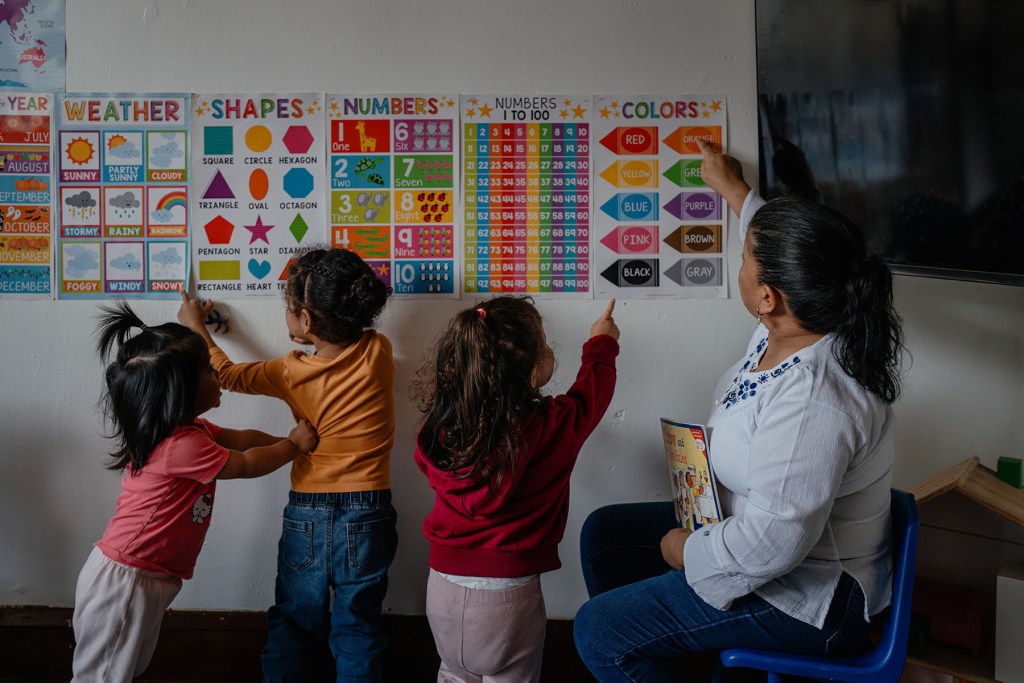
Building Resilience: How Child Care Providers Champion Family Stability Amidst Uncertainty
In times of societal flux, the role of child care providers extends far beyond nurturing young minds.They become pillars of support, guardians of stability, and vital connectors for families navigating complex challenges.
This article delves into the profound ways these dedicated professionals are actively building networks of support and resilience, ensuring that children and their families have the care they need, even when faced with unforeseen circumstances.
We will explore the proactive measures they take, the community bonds they foster, and the critical importance of their work in maintaining family unity.
The Evolving Role of Child Care Providers: More Than Just Education
The landscape of child care is constantly shifting, and dedicated providers are adapting to meet a growing array of needs.While their primary focus remains on fostering a child's early development, many have become indispensable anchors for families, particularly those facing immigration-related anxieties or other forms of instability.
These providers often develop deep, personal connections with the families they serve, understanding that their role transcends the classroom.
They are trusted confidantes, offering not just educational enrichment but also emotional support and practical guidance.
This deep level of engagement means that when families face crises, child care providers are often the first point of contact and the most reliable source of immediate assistance.
Their commitment to the well-being of each child they care for is paramount, driving them to innovate and expand their support systems.
Understanding the Unique Challenges Faced by Families
Many families, especially those with precarious legal status, live with a constant undercurrent of anxiety.The fear of separation, detention, or deportation can cast a long shadow over daily life.
This uncertainty profoundly impacts children, who may struggle to comprehend the situations their parents face.
Child care providers, through their consistent presence and empathetic approach, can help mitigate some of this fear.
They create a safe space where children can express their worries and receive reassurance.
Research shows that children who have a stable, supportive adult figure outside of their immediate family are better equipped to cope with stress and trauma.
This is precisely the role that many child care professionals are increasingly embracing, demonstrating their commitment to the holistic well-being of every child in their care.
Proactive Planning: Safeguarding Children's Futures
Dedicated child care providers are not passively waiting for crises to occur; they are actively engaged in preparing families for potential disruptions.This proactive approach involves a range of strategies designed to ensure continuity of care and minimize the impact of parental absence on children.
They understand that thorough preparation can alleviate immense stress for both parents and children during challenging times.
Establishing Guardianship and Legal Frameworks
A critical aspect of this preparation involves assisting families in establishing legal frameworks for their children's care should parents be unable to provide it.This can include helping families understand and complete temporary guardianship papers, designating trusted individuals to care for their children in emergency situations.
Child care providers themselves are often willing to step into this role, demonstrating an extraordinary level of commitment.
They work diligently to ensure that all necessary documentation is in order, providing parents with peace of mind that their children will be looked after by someone they know and trust.
This meticulous attention to detail is vital for safeguarding a child's future.
Developing Emergency Contact and Communication Plans
Effective communication is paramount when dealing with emergencies.Child care providers are instrumental in helping families develop robust emergency contact and communication plans.
This involves identifying key individuals who can be reached in case of parental detention or unavailability, and establishing clear protocols for how information will be shared.
They also encourage families to have essential documents readily accessible, such as birth certificates and any legal paperwork related to custody or guardianship.
By facilitating these discussions and providing practical guidance, providers empower families to be better prepared for the unexpected.
They have said that having these plans in place significantly reduces the panic and confusion that can arise during a crisis.
Preparing Children for Potential Scenarios
The emotional well-being of children is a top priority.Child care providers understand that open and age-appropriate communication can help children process difficult situations.
They work with families to explain potential scenarios in a way that children can understand, without causing undue alarm.
This might involve discussing the possibility of parents being away for a period and reassuring them that they will be cared for.
Some providers even engage child psychologists to speak with families, helping children articulate their fears and develop coping mechanisms.
These efforts are crucial for building resilience and ensuring that children feel secure, even when their family circumstances are in flux.
They have said that this preparation helps children feel more in control.
Building Networks of Support: Collective Strength in Action
Recognizing that they cannot face these challenges alone, child care providers are actively building and participating in networks of support.These collaborative efforts amplify their impact, creating a stronger safety net for families and a more unified front against adversity.
They have said that these networks are essential for their own well-being and for the families they serve.
Community-Based Resistance and Lookout Systems
In areas where immigration enforcement is a significant concern, child care providers have been at the forefront of establishing community-based resistance efforts.This includes organizing informal lookout systems to alert providers and families about potential enforcement activities.
They utilize secure communication channels, such as encrypted messaging apps, to share information rapidly and discreetly.
This collective vigilance allows them to take immediate action to protect families and ensure that children are not left unattended.
Their dedication to protecting those in their care is unwavering.
Advocacy and Policy Engagement
Child care providers are also becoming increasingly vocal advocates for policies that protect families and support their work.They understand that systemic change is necessary to address the root causes of instability.
Through their involvement with advocacy groups, they share their experiences and highlight the critical role they play in communities.
They have said that their voices are essential in shaping policies that impact the lives of the children and families they serve.
Their collective efforts aim to create a more just and equitable system for all.
Mutual Aid and Resource Sharing
The spirit of mutual aid is strong within the child care community.Providers share resources, knowledge, and emotional support with one another.
This might involve sharing information about legal resources, offering to care for children whose providers are facing personal challenges, or simply providing a listening ear.
This camaraderie is vital for sustaining their demanding work and for ensuring that no provider or family feels isolated.
They have said that this shared commitment strengthens their resolve.
The Human Element: Compassion in the Face of Adversity
At the heart of this movement is an unwavering commitment to human dignity and compassion.Child care providers are driven by a deep sense of responsibility to protect the most vulnerable members of society – children.
Their actions demonstrate a profound understanding that every child deserves a stable and loving environment, regardless of their family's circumstances.
The Personal Impact on Providers
It is crucial to acknowledge the personal toll these challenges can take on child care providers themselves.Many are immigrants, facing their own vulnerabilities while simultaneously supporting others.
They often work with modest incomes and have families of their own to care for.
Yet, their dedication to the children and families they serve often leads them to take on immense responsibilities.
They have said that their work is a calling, and they are committed to answering it.
Stories of Resilience and Hope
The stories of child care providers stepping up in times of crisis are powerful testaments to their resilience and dedication.From arranging emergency guardianship to providing emotional support to children grappling with fear, their actions are making a tangible difference.
They are not only safeguarding individual children but also strengthening the fabric of their communities.
They have said that they believe in the power of community and the importance of caring for one another.
Conclusion: The Indispensable Role of Child Care Providers
Child care providers are far more than educators; they are essential community builders, advocates, and protectors of family stability.In an era of increasing uncertainty, their proactive planning, robust support networks, and unwavering compassion are vital for ensuring that children have the care and security they need to thrive.
Their work demonstrates that when individuals and communities come together, they can build remarkable resilience and create a more supportive environment for all families.
The dedication they show to the children in their care is a powerful reminder of the profound impact that committed individuals can have on the lives of others.







 Explore AI Teaching Tools
Comments (0)
Please login to comment
No comments yet
Be the first to comment on this article