
Safeguarding Education: How Communities Protect Students Amidst Immigration Concerns
In an era where anxieties surrounding immigration enforcement can cast a shadow over educational environments, a remarkable groundswell of community action has emerged.
This movement, driven by dedicated parents, educators, and neighbors, prioritizes the well-being and consistent attendance of students.
This article delves into the innovative strategies and profound impact of these collective efforts, highlighting how they foster a more secure and supportive atmosphere for learning, ensuring that the pursuit of knowledge remains paramount for every child.
The Growing Need for Community Support in Schools
The educational landscape can be significantly impacted by external societal pressures.
In recent times, concerns regarding immigration enforcement have created an environment of apprehension for many families.
This fear can lead to a reluctance for students to attend school, impacting their academic progress and overall mental health.
Studies indicate that when parents and students feel unsafe or uncertain about their surroundings, their focus on education can waver.
This is particularly true for students who are recent immigrants or whose families have close ties to immigrant communities.
The very idea that schools, traditionally seen as sanctuaries for learning, could become sites of heightened immigration scrutiny has understandably caused distress.
Research shows that a stable and secure environment is fundamental for effective learning.
When students are preoccupied with the safety of their loved ones or their own potential encounters with immigration authorities, their capacity to engage with academic material diminishes.
This situation creates a critical need for proactive measures to reassure families and ensure that the school remains a place of safety and opportunity.
The commitment of parents and teachers to address these anxieties head-on demonstrates a powerful dedication to the principle that education should be accessible and uninterrupted for all students, regardless of their background or circumstances.
Innovative Community-Led Initiatives for Student Support
In response to these challenges, communities across various regions have mobilized with inspiring dedication.
These initiatives are not merely reactive; they are thoughtfully designed to provide tangible support and a sense of security.
One prominent strategy involves organized community patrols.
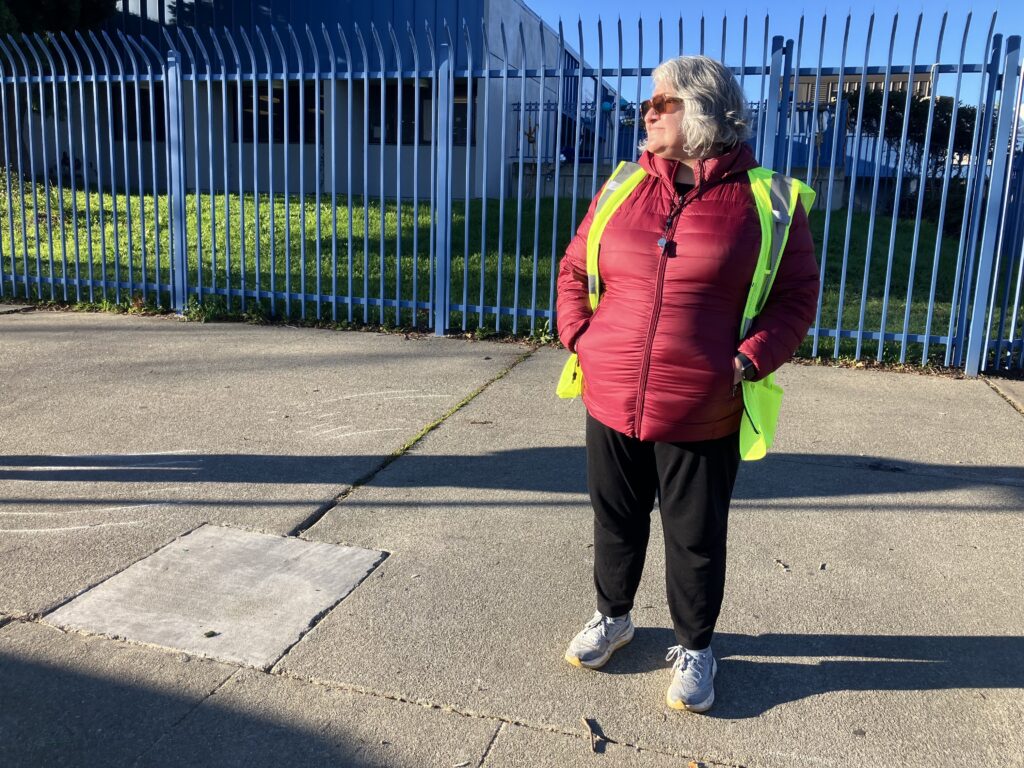
These dedicated volunteers, often wearing bright vests for visibility, position themselves around school campuses before and after school hours.
Their primary role is to act as vigilant observers, scanning for any signs of immigration enforcement activity.
This presence serves as a visual deterrent and a reassuring signal to students and parents that the community is actively looking out for their well-being.
These patrols are often coordinated with school administrators and local organizations.
Volunteers are trained on how to respond if they observe immigration agents, which typically involves alerting the school administration, using audible signals like whistles or air horns to inform the immediate community, and documenting any encounters.
This systematic approach ensures that actions are taken swiftly and effectively, while also adhering to legal frameworks.
The goal is not to obstruct lawful operations but to ensure transparency and to protect the educational environment from undue disruption.
The very existence of these patrols sends a powerful message: that the community stands united in its commitment to protecting its students' right to education.
Practical Support Beyond Observation
Beyond the visible patrols, many community groups extend their support through practical assistance.
Recognizing that fear of immigration enforcement can sometimes lead families to isolate themselves, volunteers have organized efforts to provide essential resources.
This includes organizing grocery drives, collecting non-perishable food items, and distributing them to families who may be hesitant to leave their homes.
These acts of kindness go a long way in alleviating immediate concerns about food security, allowing parents to focus more on their children's education and less on daily survival needs.
Furthermore, in instances where families might lack reliable transportation due to fear or other circumstances, community members have stepped in to offer rides to school.
This ensures that students do not miss crucial instructional time.
During holiday seasons, these efforts have even extended to providing toys for children, offering a sense of normalcy and joy amidst challenging times.
These multifaceted support systems underscore a holistic approach to student welfare, acknowledging that a child's ability to learn is deeply intertwined with the stability and support they receive from their community.
The Impact on Student Well-being and Attendance
The tangible effects of these community-led initiatives are significant and far-reaching.
School leaders and educators consistently report a positive impact on students' mental health.
Knowing that there are dedicated individuals actively safeguarding their school environment helps to alleviate anxiety and fear.
This sense of collective care can be profoundly reassuring for students, especially those who may be experiencing stress related to immigration issues within their families or social circles.
The visible presence of community support acts as a buffer against the negative psychological effects of uncertainty.
Moreover, these efforts have demonstrably improved student attendance rates.
When parents feel more confident that their children will be safe and that the school environment is protected, they are more likely to send their children to school consistently.
This increase in attendance is crucial for academic success.
Studies indicate that regular school attendance is a strong predictor of positive educational outcomes.
By reducing the barriers to attendance, these community actions directly contribute to students' ability to learn, grow, and achieve their full potential.
The commitment of parents and teachers in this regard is truly commendable, as they understand that access to education is a fundamental right that must be protected.
Fostering a Sense of Belonging and Security
The presence of community volunteers creates a powerful visual representation of solidarity.
For students, seeing their neighbors, parents, and teachers actively engaged in ensuring their safety sends a clear message: they are valued, they are cared for, and they belong.
This sense of belonging is vital for a child's emotional and social development, and it directly influences their engagement with school.
When students feel secure and supported, they are more likely to participate in class, build positive relationships with peers and educators, and develop a genuine love for learning.
This proactive approach also helps to counter negative narratives that might portray certain communities as unwelcome or unsafe.
By actively demonstrating their commitment to protecting students, these initiatives foster an environment of inclusivity and mutual respect.
The message is clear: the community stands together to ensure that every child has the opportunity to thrive in a safe and nurturing educational setting.
This collective action reinforces the idea that schools are not just places of instruction but vital community hubs that require collective stewardship.
Legal Frameworks and Community Action
It is important to acknowledge the legal context surrounding immigration enforcement and school environments.
While federal policies may shift, many states and school districts have implemented their own protective measures.
These often include requirements for immigration agents to obtain judicial warrants before entering school grounds and mandates for schools to notify parents and staff in advance of any potential immigration enforcement presence.
These legal safeguards aim to create a clearer process and provide an opportunity for schools and families to prepare and respond.
However, the proactive community efforts discussed here often go beyond these legal requirements, driven by a deep-seated commitment to student welfare.
The actions taken by parents and teachers, such as filming immigration agents in public spaces, have been affirmed by federal courts as protected under the First Amendment.
This legal clarity empowers communities to act as informed observers and advocates.
Volunteers are typically trained to maintain a safe distance and avoid any actions that could be construed as obstruction, ensuring their activities remain lawful and focused on observation and community alert.
This careful approach allows them to effectively monitor the situation while respecting legal boundaries.
The Role of Schools in Supporting Community Efforts
Schools play a pivotal role in facilitating and supporting these community-led initiatives.
Open communication channels between school administrators and parent groups are essential.
When school leaders actively collaborate with volunteers, it strengthens the effectiveness of the protective measures.
This can involve providing resources like high-visibility vests for volunteers, sharing information about potential risks, and establishing clear protocols for communication during any observed incidents.
The Alameda County Office of Education, for example, has provided vests and flyers to volunteers, demonstrating a commitment to supporting these efforts.
Principals and teachers have also been instrumental in conveying the positive impact of these patrols to their administrative counterparts.
They report that the presence of watchful community members instills a greater sense of confidence in parents, leading to improved attendance.
This feedback loop is vital, as it validates the importance of these initiatives and encourages continued collaboration.
Ultimately, the partnership between schools and the community creates a robust network of support that prioritizes the educational journey of every student.
Conclusion
The challenges posed by immigration enforcement concerns have, in many instances, galvanized communities into powerful action.
The dedication of parents, teachers, and neighbors in creating safe havens around schools is a testament to their unwavering commitment to education.
Through organized patrols, practical assistance, and a strong emphasis on student well-being, these initiatives are not only deterring fear but actively fostering an environment where learning can flourish.
The impact on student attendance and mental health is undeniable, showcasing the profound strength that emerges when a community unites to protect its most vulnerable members.
These efforts serve as a vital reminder that safeguarding access to education is a shared responsibility, and that collective action can create lasting positive change for students and their families.






 Explore AI Teaching Tools
Comments (0)
Please login to comment
No comments yet
Be the first to comment on this article