
Navigating School Infrastructure Challenges: A Deep Dive for educators and Communities
Investing in the future of education means ensuring that our schools provide safe, modern, and conducive learning environments.However, many school districts, particularly in regions like the Central Valley, face a significant hurdle: extensive building needs coupled with limited financial resources.
This article explores the critical challenges faced by these districts, the innovative strategies they employ, and the vital role of community support in addressing aging infrastructure and evolving educational demands.
The Growing Crisis: Aging School Buildings and Funding Gaps
Across the nation, a substantial number of school buildings are showing their age, presenting a complex web of maintenance and modernization issues.Many elementary and secondary school facilities were constructed decades ago, often before current safety codes, accessibility standards, and technological integration were considered.
This historical context creates a pressing need for upgrades, repairs, and replacements that far outstrip available funding.
The "Worst First" Approach: Prioritizing Critical Needs
When resources are scarce, school districts often adopt a "worst first" philosophy for addressing building needs.This means prioritizing repairs and renovations for facilities that pose the most immediate safety risks or are experiencing critical failures.
For example, a district might have to choose between widening a doorway to improve accessibility for students with disabilities or fixing a burst sewer pipe that threatens to shut down a school.
These are difficult, but necessary, decisions that highlight the severity of the funding gap.
HVAC Systems: A Crucial Element for Learning Environments
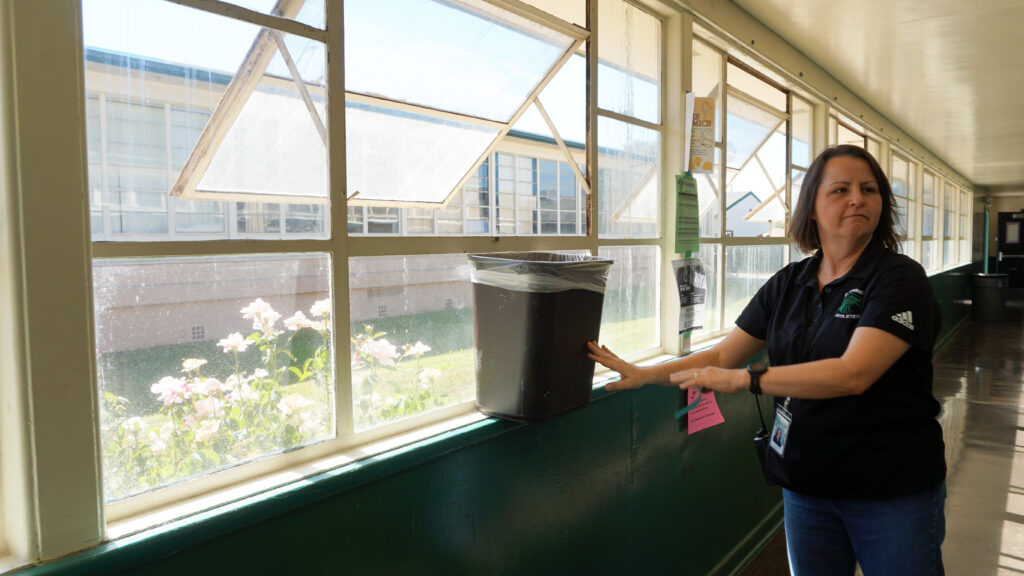
One of the most significant infrastructure challenges revolves around Heating, Ventilation, and Air Conditioning (HVAC) systems.In regions experiencing extreme temperatures, like the Central Valley, inadequate or malfunctioning HVAC systems can severely impact the learning environment.
Studies indicate that extreme heat can lead to decreased student concentration, increased fatigue, and even health issues.
Replacing antiquated HVAC systems is not just about comfort; it's about ensuring optimal conditions for student success.
However, the cost of replacing these systems, especially in older buildings where the entire structure may need upgrades, can be astronomical.
Federal pandemic relief funds have provided some temporary relief, but the long-term needs remain substantial.
Beyond HVAC: A Spectrum of Facility Demands
The challenges extend far beyond climate control.Many older schools grapple with: * **Plumbing and Water Systems:** Leaking pipes, outdated water heaters, and inadequate water pressure are common issues that can lead to costly repairs and potential health hazards, such as mold growth. * **Structural Integrity:** Aging roofs that leak, dry rot in building materials, and deteriorating foundations require constant attention and significant investment. * **Electrical and Fire Safety:** Outdated electrical wiring can pose fire risks, while antiquated fire alarm and sprinkler systems may not meet current safety standards. * **Accessibility:** Many older buildings were not designed with accessibility in mind, creating barriers for students and staff with disabilities.
Narrow doorways, inaccessible restrooms, and lack of ramps are just a few examples of these challenges. * **Portables and Temporary Structures:** A significant number of schools rely on portable classrooms, many of which have surpassed their expected lifespan and require replacement or substantial repair.
These structures often lack the insulation and amenities of permanent buildings.
The Financial Tightrope: Balancing Budgets and Needs
School districts operate under a complex financial framework, heavily reliant on local property taxes and state funding.However, several factors create a persistent funding deficit for facilities.
The Impact of Tax Base and Bonding Capacity
A district's ability to raise funds through property taxes is directly linked to its assessed property value per student.Communities with lower property values per student have a smaller tax base, limiting their capacity to issue general obligation bonds to fund school construction and repairs.
This disparity means that property-wealthy districts can often raise more funds locally and qualify for more matching state aid, creating an uneven playing field.
The Role of State Bonds and Proposition 2
Statewide construction bonds, such as Proposition 2, aim to provide crucial financial assistance to school districts.These bonds replenish state aid for school construction and modernization projects, making funds available for eligible projects.
However, the demand for these funds often far exceeds the supply, and districts with greater local resources may have an advantage in securing this aid.
The passage of such propositions is vital for districts that cannot solely rely on local funding.
The Challenge of Inflation and Rising Costs
Even when funding is secured, the purchasing power of those dollars can be eroded by inflation.Pandemic-induced inflation has significantly increased the cost of construction materials and labor, meaning that bond measures that might have been sufficient a few years ago may now fall short of addressing the full scope of needs.
Innovative Solutions and Community Engagement
Despite the daunting challenges, school districts are actively seeking innovative solutions and leveraging community support to overcome infrastructure hurdles.Strategic Bond Measures: A Path to Progress
Many districts place bond measures on local ballots to fund critical facility improvements.These measures, when passed by voters, provide the necessary capital for renovations, new construction, and essential system upgrades.
The success of these measures often hinges on clear communication with the community about the specific needs and the tangible benefits of passing the bond.
Prioritizing Equity and Access
A core principle for many districts is ensuring equitable access to quality learning environments for all students.This means prioritizing schools in underserved communities and addressing historical inequities in facilities funding.
When bond measures are designed, careful consideration is given to ensuring that the most pressing needs across the district are addressed, even if not every school can receive the same level of investment.
The Power of Multipurpose Rooms
The creation of multipurpose rooms has become a significant priority for many elementary schools.These versatile spaces serve as cafeterias, auditoriums for assemblies and performances, and venues for family engagement events.
For schools with aging, undersized cafeterias, a multipurpose room can transform the daily school experience, providing a much-needed communal space and enhancing school culture.
Leveraging Federal and State Grants
Beyond local bonds, districts actively pursue federal and state grants, including pandemic relief funds, to supplement their facilities budgets.These grants can be instrumental in addressing specific needs, such as HVAC upgrades or lead paint and asbestos abatement.
Lessons from the Field: Case Studies in Resilience
Examining the experiences of specific school districts offers valuable insights into the complexities of managing aging infrastructure with limited funds.Fresno Unified: A District of Scale and Need
As one of the largest school districts in California, Fresno Unified faces immense building needs across its 103 schools, many of which are over 50 years old.The district's "worst first" approach dictates how limited funds are allocated, often forcing difficult choices between critical repairs and modernization.
A significant portion of their identified needs, totaling billions of dollars, includes essential upgrades to HVAC, plumbing, and roofing systems.
A proposed $500 million bond measure aims to address these critical areas, with the hope of leveraging matching state funds to maximize its impact.
The district's commitment to minimizing tax increases for property owners, particularly in a low-income community, underscores the delicate balance they must strike.
Modesto City Schools: Building for the Future, One Bond at a Time
Modesto City Schools, with its historic campuses, is dedicated to modernizing its facilities to meet the needs of its growing student population.The district has historically addressed its facility needs through a series of bond measures.
The creation of multipurpose rooms has been a key focus, providing much-needed space for dining, assemblies, and community events.
However, the estimated $750 million in facility needs highlights the ongoing challenge of keeping pace with modernization.
The district's structure, with separate elementary and high school districts, adds another layer of complexity to funding and resource allocation.
The aspiration for an ongoing bond program, similar to those in other districts, reflects a desire for sustained investment in school infrastructure.
Central Unified: Addressing Urgent Needs with Limited Resources
Central Unified, like many districts in the Central Valley, contends with aging buildings that require more than superficial fixes.Facilities planning directors describe a "bandaid" approach, where immediate repairs are made with available funds, but the underlying issues persist.
Critical needs include bringing facilities up to current ADA compliance, upgrading outdated HVAC and public announcement systems, and replacing aging portable classrooms.
A proposed $109 million bond measure, Measure X, aims to address these urgent needs, with the potential to be amplified by matching state funds.
The district's lower bonding capacity per student, a reflection of regional economic factors, underscores the challenges of securing adequate funding for essential school improvements.
Conclusion: A Collective Responsibility for Educational Spaces
The challenges faced by school districts in maintaining and modernizing their facilities are multifaceted and deeply impactful.Aging buildings, coupled with funding limitations, create a constant struggle to provide safe, equitable, and effective learning environments for all students.
The "worst first" approach, while necessary, highlights the critical need for sustained investment.
From essential HVAC upgrades to ensuring accessibility for every student, the demands on school infrastructure are immense.
Mentofy recognizes the vital connection between quality learning environments and student success.
By understanding these challenges, communities can better support their local school districts through informed voting on bond measures, advocating for increased state and federal funding, and engaging in discussions about the future of educational infrastructure.
Ultimately, ensuring that our schools are equipped to meet the needs of today's students and tomorrow's leaders is a collective responsibility that requires ongoing commitment and strategic action.






 Explore AI Teaching Tools
Comments (0)
Please login to comment
No comments yet
Be the first to comment on this article