
Unlocking Student Potential: The Impact of Cellphone Policies on Learning and Equity in Schools
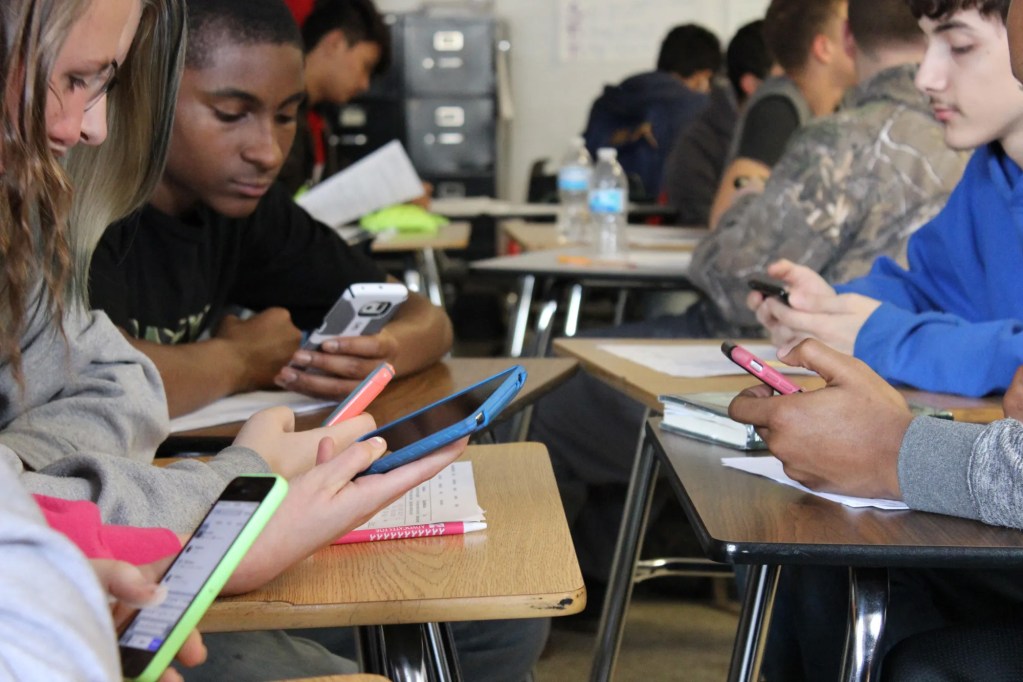
In today's digitally saturated world, the presence of cellphones in schools is a topic of intense debate.While these devices offer undeniable connectivity, their pervasive use can significantly disrupt the learning environment.
This article delves into the evolving landscape of cellphone policies in educational institutions, exploring their purported benefits for student focus and academic performance, while also critically examining the unintended consequences, particularly concerning disciplinary actions and equity for diverse student populations.
We will explore how schools are navigating this complex issue and what the data suggests about the effectiveness and fairness of these measures.
The Shifting Landscape of Cellphone Policies in Education
Many educational institutions are re-evaluating their stance on student cellphone usage.A growing number of states have implemented or are considering significant restrictions, ranging from outright bans to stringent limitations on when and where these devices can be used.
This trend reflects a widespread concern among educators and policymakers that the constant allure of smartphones is detracting from valuable classroom instruction and student engagement.
The primary motivation behind these policies is the desire to foster a more focused learning environment, where students are present and attentive to their lessons rather than being absorbed by their devices.
This shift is driven by the observation that when cellphones are less accessible, students appear to be more engaged with their teachers and peers, potentially leading to improved comprehension and retention of academic material.
The Rationale Behind Restrictions
The core argument for restricting cellphone use in schools centers on minimizing distractions.Studies indicate that the mere presence of a cellphone can fragment attention, even if it's not actively being used.
Notifications, social media alerts, and the temptation to text or browse can pull students away from the immediate learning task.
By removing this constant source of distraction, schools aim to create a more conducive atmosphere for deep learning and critical thinking.
This is particularly relevant for subjects that require sustained concentration, such as complex mathematical problem-solving or in-depth literary analysis.
The goal is to reclaim instructional time and ensure that students are fully immersed in the educational experience.
Assessing the Academic Impact of Cellphone Bans
The question of whether cellphone bans actually lead to measurable academic improvements is complex.While anecdotal evidence and teacher observations suggest a positive correlation, establishing a direct causal link is challenging.
When schools implement cellphone restrictions, they often do so alongside other pedagogical changes, such as curriculum updates or new teaching methodologies.
This makes it difficult to isolate the impact of the cellphone policy alone.
For instance, if a school introduces a new, more engaging approach to teaching mathematics concurrently with a cellphone ban, any subsequent rise in math scores could be attributed to either or both factors.
This highlights the need for rigorous research methodologies to disentangle these variables and understand the true effect of cellphone policies.
Methodological Challenges in Proving Causation
Researchers have devised innovative strategies to overcome these methodological hurdles.One approach involves comparing schools with varying levels of cellphone activity prior to the implementation of a ban.
The premise is that schools where students were more heavily reliant on their cellphones would likely see a more pronounced positive impact from a ban, assuming the ban itself is effective.
By analyzing cellphone usage data alongside student performance metrics, researchers can attempt to determine if the academic gains were greater in those schools that experienced a more significant reduction in cellphone use.
This comparative analysis helps to control for other school-specific factors that might influence student achievement.
Evidence from Large-Scale Policy Implementation
Research conducted in a large school district in Florida, which was among the first states to enact statewide cellphone restrictions, offers compelling insights.This study utilized cellphone activity data to gauge the extent of device usage before and after the policy change.
The findings indicated that in schools with high pre-ban cellphone usage, student test scores saw a modest but noticeable increase in the years following the implementation of the restrictions.
Furthermore, these schools also reported an improvement in student attendance rates.
This suggests that reducing cellphone distractions may not only enhance academic focus but also contribute to a more consistent presence in the classroom.
The Nuances of Academic Gains
It is important to note that the academic gains observed were generally small, often less than a single percentile point on standardized tests.This means that a student performing at the 50th percentile might move to the 51st percentile.
While these gains might seem incremental, in the aggregate, they can represent a significant improvement for a school or district.
The study also revealed that the benefits were not uniform across all student demographics.
Middle school students, in particular, appeared to benefit more significantly from the policy.
Additionally, the academic gains were more pronounced for white and Hispanic students, as well as male students.
The impact on Black students and female students was not statistically significant in this particular analysis, indicating that the benefits of cellphone bans may not be equally distributed.
The Troubling Side Effect: Disciplinary Actions and Equity Concerns
While the potential academic benefits of cellphone bans are being explored, a significant and concerning side effect has emerged: an increase in student suspensions, particularly among Black students.In the initial year of the policy's implementation, there was a notable rise in disciplinary actions.
This raises critical questions about fairness and the potential for bias in the enforcement of these new rules.
It is unclear whether this increase reflects a higher rate of cellphone rule violations by Black students, or if Black students are disproportionately targeted for punishment by school staff.
The administrative records often lack the granular detail to distinguish between these possibilities, such as whether warnings or lesser disciplinary measures were employed before resorting to suspension.
Examining Disproportionate Suspensions
The disproportionate suspension of Black students is a critical issue that demands careful attention.Educational policies, even those intended to improve learning, must be implemented in a way that upholds equity and avoids exacerbating existing disparities.
The data suggests that while disciplinary actions were high in the first year, they began to decline in the second year, indicating a potential adjustment period for both students and school staff.
However, the initial surge in suspensions, especially for a specific demographic, warrants a thorough investigation into the underlying causes and the development of strategies to mitigate such disparities in the future.
The Role of Enforcement and Bias
Understanding the enforcement mechanisms is crucial.Were the rules applied consistently across all students?
Were teachers and administrators trained to handle violations equitably?
The possibility of implicit bias influencing disciplinary decisions cannot be overlooked.
Research indicates that implicit biases can affect how individuals perceive and react to behavior, potentially leading to harsher judgments for certain groups.
Schools must actively work to identify and address any biases that may be present in their disciplinary practices to ensure that all students are treated fairly.
This might involve comprehensive training for staff on cultural competency and equitable discipline.
Navigating the Future: Towards Balanced Cellphone Policies
The experience with cellphone bans highlights that these policies are not a panacea for all educational challenges.While they may contribute to improved focus and attendance for some students, they also present complex issues related to discipline and equity.
The goal for schools should be to develop policies that maximize the benefits of reduced distractions while minimizing the risks of unfair disciplinary actions.
This requires a nuanced approach that considers the specific context of each school community and prioritizes the well-being and equitable treatment of all students.
Data-Driven Decision-Making
The use of data, as demonstrated in the Florida study, is invaluable for understanding the real-world impact of educational policies.By tracking cellphone usage patterns, academic performance, and disciplinary incidents, schools can gain a clearer picture of what is working and what is not.
This data can then inform adjustments to policies and practices.
For example, if data reveals that certain types of cellphone misuse are more prevalent or disruptive, policies can be tailored to address those specific issues rather than implementing broad, potentially inequitable restrictions.
The Importance of Student Voice and Input
While adult concerns about learning are valid, it is also important to acknowledge the role of cellphones in students' lives.For many students, these devices are essential tools for communication, organization, and even learning outside of school.
Policies that completely disregard these realities may face significant resistance and be difficult to enforce effectively.
Engaging students in discussions about cellphone use and involving them in the development of school policies can foster a sense of ownership and encourage more responsible behavior.
This collaborative approach can lead to more sustainable and effective solutions.
Focusing on Digital Citizenship
Beyond simply restricting access, schools have an opportunity to educate students about responsible digital citizenship.This includes teaching them about the impact of technology on their learning, the importance of mindful device use, and the ethical considerations of online behavior.
By equipping students with the skills and knowledge to manage their cellphone use effectively, schools can empower them to become more self-directed learners and responsible digital citizens.
This proactive approach shifts the focus from prohibition to education and empowerment.
Conclusion
The implementation of cellphone bans in schools represents a significant effort to reclaim the learning environment and enhance student focus.While research suggests that these policies can lead to modest academic gains and improved attendance, particularly in schools with high pre-ban cellphone usage, they are not without their challenges.
The concerning rise in student suspensions, especially among Black students, underscores the critical need for equitable enforcement and a deep understanding of potential biases.
Moving forward, educational institutions must adopt a balanced and data-informed approach.
This involves not only setting clear guidelines for cellphone use but also investing in comprehensive digital citizenship education and actively working to ensure that all disciplinary actions are fair and equitable.
By embracing a holistic strategy that prioritizes both academic success and student well-being, schools can navigate the complexities of the digital age and create truly inclusive and effective learning environments for all students.






 Explore AI Teaching Tools
Comments (0)
Please login to comment
No comments yet
Be the first to comment on this article