
Virginia's ADVANCE Program: A Blueprint for Seamless Community College to University Transfer
Navigating the path from community college to a four-year university can feel like a labyrinth for many students, especially those who are the first in their family to pursue higher education.The uncertainty surrounding course selection, transfer credits, and admission processes can be a significant barrier.
However, a groundbreaking partnership in Virginia offers a compelling model for how colleges can streamline this journey, ensuring more students successfully earn their bachelor's degrees.
This article explores the innovative ADVANCE program, highlighting its key features and the lessons it holds for educational institutions nationwide.
The Challenge of Transferring: A Widespread Hurdle for Students
For countless students, the dream of a university degree begins at a community college.This is often a more accessible and affordable starting point.
Yet, the transition to a four-year institution is fraught with potential pitfalls.
Without clear guidance, students may find themselves accumulating credits that don't transfer, taking unnecessary courses, or facing complex application procedures.
This can lead to extended timelines, increased costs, and, in many cases, students abandoning their degree aspirations altogether.
Research indicates that a significant percentage of students intending to transfer never complete their bachelor's degree, underscoring the urgent need for more effective transfer pathways.
The sheer volume of students relying on community colleges for their initial higher education makes addressing this challenge a national priority.
Introducing the ADVANCE Program: A Dual Admission Revolution
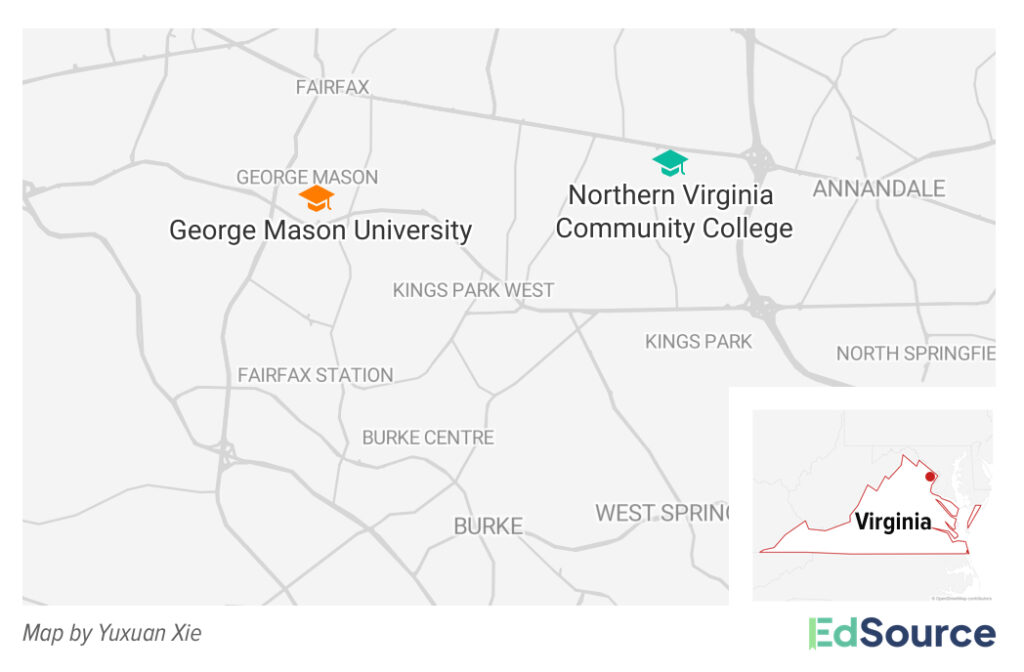
The ADVANCE program, a collaboration between Northern Virginia Community College (NVCC) and George Mason University (GMU), has emerged as a beacon of hope for students seeking a smoother transfer experience.This innovative program tackles the complexities of transfer by offering dual admission, allowing students to be accepted into George Mason University from the moment they enroll at NVCC, even before taking their first community college class.
This upfront acceptance alleviates a major source of anxiety for students who might otherwise feel isolated in their pursuit of higher education.
Key Pillars of the ADVANCE Program
The success of ADVANCE hinges on several critical components that work in synergy to support students: * **Guaranteed Dual Admission:** Students are admitted to both NVCC and GMU simultaneously.This eliminates the fear of not being accepted into their desired four-year institution after completing community college coursework. * **Proactive Academic Pathway Planning:** Upon enrollment, students are presented with a comprehensive list of academic pathways, such as business, computer science, or psychology.
Based on their chosen major, the program provides a clear, step-by-step curriculum outlining every course required to earn their bachelor's degree at GMU.
This transparency ensures students are always on the right track. * **Dedicated Support Systems:** ADVANCE students benefit from specialized counselors hired specifically for the program.
These advisors offer personalized guidance, helping students navigate academic requirements, address any potential issues, and stay motivated. * **Full Access to University Resources:** Even while attending NVCC, ADVANCE students gain access to a wealth of resources at George Mason University.
This includes libraries, student clubs, athletic events, and health services, fostering a sense of belonging and preparing them for their eventual transition.
The Impact of ADVANCE: Tangible Results and Student Success
Since its inception, the ADVANCE program has demonstrated remarkable success in helping students achieve their academic goals.The program has facilitated the transfer of over 1,500 students to George Mason University, with a significant portion of them successfully graduating within two years of transferring.
This high graduation rate is a testament to the program's effectiveness in preparing students for university-level work and ensuring they have the necessary academic foundation.
Reducing "Transfer Shock" and Fostering Belonging
One of the most significant achievements of ADVANCE is its ability to mitigate "transfer shock"—the disorientation and challenges students often face when moving to a new academic environment.By providing early access to university resources and fostering a sense of community, the program helps students feel more connected and prepared.
This proactive approach allows students to "hit the ground running" upon arrival at George Mason, rather than struggling to adapt to a new campus culture and academic demands.
The program's emphasis on building a sense of belonging is crucial for student retention and overall success.
Empowering First-Generation Students
For students like Steve Perez, who are the first in their families to attend college, the ADVANCE program provides invaluable support and clarity.The structured pathways and dedicated advisors demystify the college experience, empowering them to navigate their educational journey with confidence.
The program's ability to take away the guesswork allows these students to focus on their studies and personal growth, rather than being overwhelmed by administrative complexities.
Lessons for California and Beyond: Replicating Success
The success of Virginia's ADVANCE program offers a powerful blueprint for other states and educational systems grappling with similar transfer challenges.California, for instance, is in the early stages of implementing its own dual admission programs within the University of California (UC) and California State University (CSU) systems.
California's Emerging Dual Admission Initiatives
Both the CSU and UC systems have launched dual admission programs, aiming to replicate the benefits seen in Virginia.The CSU program, in particular, is designed to be more expansive, opening its doors to a broader range of community college students.
These initiatives typically involve: * **Online Transfer Planners:** Similar to the ADVANCE portal, these tools provide students with upfront information about the courses required for specific degree programs at CSU and UC campuses. * **Guaranteed Admission:** Eligible students are guaranteed admission to a CSU or UC campus upon meeting program requirements, removing a significant barrier to entry. * **Early Engagement:** The programs aim to connect community college students with university resources and staff much earlier in their academic careers, fostering a sense of connection and support.
Factors Contributing to ADVANCE's Strength
While California's initiatives hold great promise, the unique strengths of the NVCC-GMU partnership offer insights into what makes such programs truly effective.These include: * **Geographic Proximity and Historical Ties:** The close physical proximity and long-standing relationship between NVCC and GMU have facilitated seamless collaboration and mutual understanding. * **Presidential Alignment:** Strong working relationships between the presidents of both institutions have been instrumental in driving the program's vision and implementation. * **Faculty Collaboration:** A shared pool of faculty who have taught at both institutions contributes to a cohesive academic vision and curriculum alignment. * **Commitment to Community College Value:** A deep-seated recognition of the value and importance of community college education by university leadership is fundamental to the program's success.
The Future of Transfer: A Collaborative Approach
The ADVANCE program serves as a compelling example of how collaboration and innovative thinking can transform the educational landscape for students.By prioritizing clear pathways, robust support, and early engagement, institutions can empower more students to achieve their academic dreams.
As more states and universities explore dual admission models, the lessons learned from this Virginia partnership will undoubtedly play a crucial role in shaping a more equitable and effective future for higher education, ensuring that every student has a clear and supported route to a bachelor's degree.
The focus remains on creating a system where students, regardless of their background, can confidently pursue and attain their educational aspirations.






 Explore AI Teaching Tools
Comments (0)
Please login to comment
No comments yet
Be the first to comment on this article