
Oklahoma's Education Crossroads: Can a Quiet Hand Steady the Storm?
Oklahoma's public education system finds itself at a critical juncture, grappling with the lingering effects of a tumultuous period and facing a pivotal election that could define its future. The recent shift from a highly visible, often controversial superintendent to a more understated approach has brought a sense of calm, but the question remains: can the state truly return to a sense of normalcy and focus on academic fundamentals?
The Quiet Architect of Stability
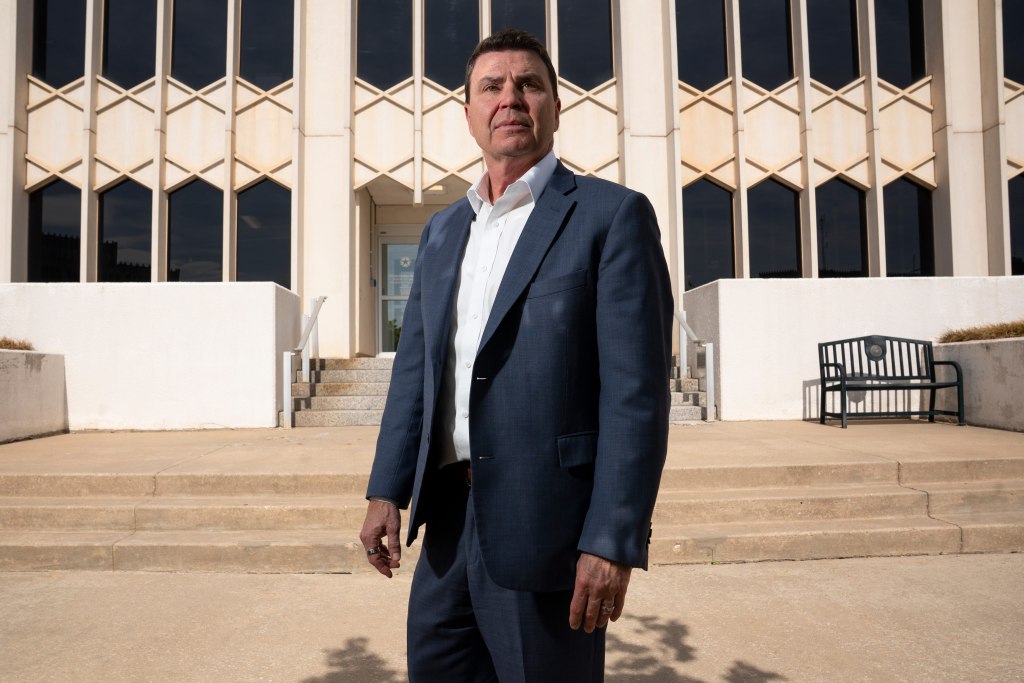
Lindel Fields, Oklahoma's current superintendent of public instruction, embodies a deliberate departure from his predecessor. He describes his mission as "building a foundation" for a robust public education system, a task he acknowledges is not glamorous but essential. Fields hopes that improved student literacy and stronger support for teachers will eventually make his foundational work feel unremarkable to the public.
This approach stands in stark contrast to the tenure of Ryan Walters, who stepped down last September. Walters' time as superintendent was marked by national headlines, legal challenges, and significant disruption within the state's school districts. His departure to lead a conservative activist group focused on challenging teachers' unions left a void that Fields is now working to fill.
Fields is not seeking election to the position, meaning the upcoming vote will be a significant determinant of Oklahoma's educational trajectory. The election is seen as a referendum on whether the state will continue on a path of ideological battles or pivot back to core educational priorities.
Echoes of Turmoil: The Walters Era
Ryan Walters' tenure was characterized by a series of directives that ignited controversy. Calls for Bibles in classrooms, widespread book bans, and measures targeting diversity initiatives created an environment of apprehension for many educators. These actions not only drew national attention but also led to protests and legal battles, plunging Oklahoma's public education landscape into disarray.
Educators still bear the psychological impact of this period, with some describing it as a state of "fear" and "paranoia." The constant concern of being targeted or facing disciplinary action diverted attention from the critical work of improving student outcomes. This era is widely viewed as a significant setback, with valuable time lost that could have been dedicated to addressing the state's persistent academic challenges.
The financial and human costs of such ideologically driven conflicts are substantial. Across the United States, responding to "culturally divisive conflict" has incurred billions of dollars in direct expenses, including increased security and consultant fees. More critically, it consumes the time and energy of school leaders, pulling them away from essential work on school improvement and educational advancement.
The National Landscape of Educational Conflict
Oklahoma is not an isolated case. Schools nationwide have become focal points for ideological debates, with state legislatures actively engaged in passing legislation that dictates curriculum, teacher speech, and student interactions. From mandates for religious texts in social studies to debates over parental notification regarding student gender expression, the political arena is deeply intertwined with public education.
These national trends highlight a broader struggle to balance diverse community values with the fundamental mission of educating all students. The focus on contentious social and political issues often overshadows the urgent need to improve academic achievement, particularly in foundational areas like literacy and mathematics.
A Climate of Fear and Uncertainty
The atmosphere under Walters was so charged that educators reported feeling anxious about every state board meeting, fearing what new directives or controversies might emerge. This climate of uncertainty and perceived surveillance led to a chilling effect on teaching, particularly for educators who felt compelled to address sensitive topics relevant to their students' lives and experiences.
Teachers faced increased scrutiny, with systems in place to encourage anonymous reporting of perceived transgressions. This created a pervasive sense of unease, impacting morale and potentially deterring talented individuals from entering or remaining in the profession. The threat of license revocation loomed, even for educators with long and distinguished careers.
One English teacher, Regan Killackey, found himself facing a license revocation attempt based on a years-old social media post. The incident, which involved a lighthearted Halloween photo with a political mask, underscored the heightened level of scrutiny and the potential for seemingly minor issues to escalate into serious professional threats. Killackey's case, along with others, has led to federal lawsuits challenging the state's actions and the underlying legislation.
The Path Forward: Rebuilding Trust and Focus
Under Superintendent Fields, there has been a palpable shift towards open communication and a more collaborative approach. The Department of Education is now emphasizing a "customer service" orientation, aiming to rebuild trust with educators and school districts. This change in tone has been welcomed by many who felt marginalized and intimidated during the previous administration.
Fields' immediate actions included rescinding mandates for Bible instruction and halting controversial curriculum changes. These steps signaled a commitment to de-escalating the ideological conflicts and refocusing on the core mission of public education. The goal is to create an environment where teachers feel supported and empowered to do their best work.
However, the upcoming election presents a critical juncture. The outcome will determine whether this more stable approach can be sustained or if the state will revert to a more combative and ideologically driven leadership. The candidates running for state superintendent represent a spectrum of approaches, from those advocating for a return to traditional educational focus to those who align with the more confrontational style of the past.
The Stakes of the Upcoming Election
The election for Oklahoma's state superintendent of public instruction is highly consequential. It is not only about addressing the state's persistent academic underperformance but also about the fundamental tone and direction of public education. Voters will be choosing between a quieter, more traditional leadership model and a potentially more divisive, ideologically charged approach.
Candidates are presenting distinct visions for the future of education in Oklahoma. Some are promising a return to "practical, student-focused education reform" with an emphasis on collaboration and problem-solving. Others are campaigning on platforms that echo the more conservative and sometimes controversial stances of the past, aiming to "Make Education Great Again."
The influence of various political factions and advocacy groups remains a significant factor. Those who supported the more disruptive policies of the past are still active, and their engagement could play a crucial role in determining the election's outcome. The election is a critical moment for Oklahomans to decide what kind of public education system they want for their children.
Reconnecting with the Core Mission
For educators like Anthony Crawford, the focus must remain on engaging students and preparing them for the complexities of the world. He emphasizes the importance of teaching literature in ways that resonate with his students, particularly those from marginalized communities, by addressing themes of identity, societal challenges, and historical context. This approach, he believes, is essential for fostering critical thinking and understanding.
The challenges faced by students in Oklahoma, as in many states, are multifaceted. Addressing issues such as academic achievement gaps, mental health support, and equitable access to resources requires sustained attention and a commitment to evidence-based practices. The political battles of recent years have often sidetracked these vital conversations.
As Oklahoma navigates this critical period, the path forward hinges on a collective commitment to prioritizing student learning and well-being. The hope is that the state can move beyond divisive rhetoric and focus on building a public education system that serves all its students effectively, fostering a sense of normalcy and trust for teachers and families alike.






 Explore AI Teaching Tools
Comments (0)
Please login to comment
No comments yet
Be the first to comment on this article