
Navigating the Rising Tide: Supporting Homeless Students in California's Schools
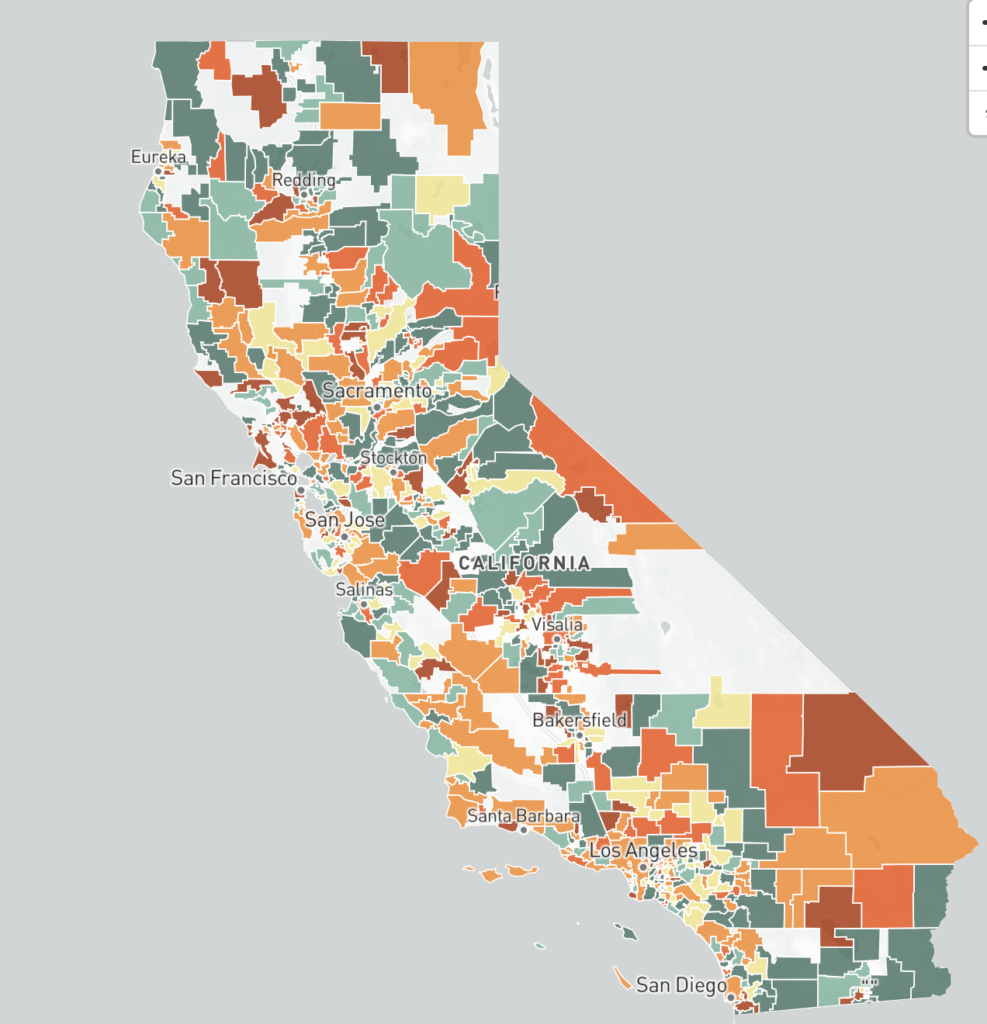
The educational landscape in California is facing a significant challenge: a persistent and growing number of students experiencing homelessness, even as overall enrollment numbers fluctuate.This surge, occurring against a backdrop of decreasing dedicated funding, highlights a critical need for enhanced understanding, proactive strategies, and robust support systems within our schools.
At Mentofy, we believe in empowering educators and communities with the knowledge and tools to address complex issues like student homelessness, ensuring every student has the opportunity to thrive academically and personally.
This article delves into the realities of student homelessness in California, exploring its multifaceted causes, the impact on schools, and actionable approaches to support these vulnerable students.
The Growing Challenge: Understanding the Surge in Student Homelessness
Recent data from California's TK-12 public schools reveals a concerning upward trend in the number of students identified as experiencing homelessness.This increase, which has been ongoing for several years, signifies a substantial rise in the student population facing housing instability.
This phenomenon is not occurring in isolation; it's happening while overall student enrollment figures are experiencing a decline, making the surge in homelessness particularly stark.
The implications for school resources, student well-being, and educational outcomes are profound, demanding immediate and sustained attention from educators, policymakers, and the wider community.
Defining Homelessness in the School Context
It's crucial for educators and school staff to understand that homelessness extends far beyond visible signs of living on the streets.Research indicates that many students experiencing homelessness reside in temporary, inadequate, or overcrowded living situations.
This can include:
- Living with friends or family members due to loss of housing (doubled-up).
- Staying in motels or hotels.
- Residing in emergency or transitional shelters.
- Living in cars, parks, or other public spaces.
- Facing imminent loss of housing.
This enhanced awareness is a positive step, but it also underscores the scale of the challenge.
Factors Fueling Student Homelessness: A Complex Web
The increase in students experiencing homelessness is not attributable to a single cause but rather a confluence of economic pressures, societal shifts, and systemic challenges.Understanding these contributing factors is essential for developing effective interventions.
Economic Strain on Families
Studies indicate that a primary driver of increased homelessness among students is the escalating financial hardship faced by their families.Rising housing costs, stagnant wages, and the lingering economic effects of recent global events have placed immense pressure on household budgets.
For many families, the inability to afford rent or maintain stable housing has become an insurmountable hurdle.
This economic vulnerability can be exacerbated by unexpected job losses, medical emergencies, or other unforeseen expenses, pushing families into precarious living situations.
The state's housing market, in particular, presents significant challenges, with rental prices often outpacing income growth, leaving many families struggling to secure and maintain affordable housing.
Immigration Policies and Fear
In certain regions, increased fear surrounding immigration enforcement has also contributed to student homelessness.When parents or guardians face deportation or are separated from their families due to immigration proceedings, it can lead to immediate housing instability.
Families may be forced to relocate frequently to avoid detection, or they may lose their primary source of income and housing as a result of these policies.
This creates a climate of fear and uncertainty that directly impacts a student's ability to attend school consistently and feel secure.
Inadequate and Unsafe Housing Conditions
Beyond outright homelessness, many students live in housing that is severely inadequate or unsafe.This can include overcrowded conditions where multiple families share a single dwelling, or living spaces lacking basic utilities like electricity or running water.
Such environments are not only detrimental to a student's physical health but also create significant barriers to learning, such as the inability to complete homework or get adequate rest.
These substandard living arrangements are often a precursor to or a direct result of financial distress, pushing families further into housing insecurity.
The Impact of Natural Disasters and Evictions
The state's susceptibility to natural disasters, such as wildfires and floods, can also lead to sudden and widespread displacement.Families who lose their homes due to these events may struggle to find new, affordable housing, particularly in the aftermath of widespread damage.
Furthermore, the expiration of eviction moratoriums, which were put in place during the pandemic, has contributed to a rise in families losing their homes, further exacerbating the homelessness crisis.
Schools as Frontlines: Identification and Support Systems
California schools are increasingly on the front lines of identifying and supporting students experiencing homelessness.The McKinney-Vento Homeless Assistance Act mandates that school districts, county offices of education, and charter schools appoint local liaisons responsible for ensuring homeless youth receive educational services and support.
Enhanced Identification Efforts
Recent years have seen significant improvements in how schools identify students experiencing homelessness.This is due to a combination of factors, including:
- Improved Data Tracking: Refined data collection methods and technologies allow schools to better identify patterns and flag students who may be experiencing housing instability.
- Targeted Training: Comprehensive training for school personnel, including teachers, counselors, and administrators, has broadened their understanding of what constitutes homelessness and how to recognize its signs.
This training emphasizes that homelessness is not solely about living on the streets but also encompasses a range of precarious living situations.
- State Legislation: A 2021 state law requiring schools to include housing questionnaires in enrollment packets has been instrumental in proactively gathering information about students' living situations.
The Role of School Liaisons
School liaisons play a vital role in advocating for and supporting homeless students.Their responsibilities include:
- Ensuring immediate enrollment for students experiencing homelessness, even if they lack standard documentation.
- Facilitating transportation to and from school to ensure educational continuity.
- Connecting students and families with essential resources, such as food banks, healthcare services, and housing assistance programs.
- Providing academic support and tutoring to help students catch up or stay on track.
- Collaborating with community organizations and social services to create a comprehensive support network.
The Funding Gap: A Looming Threat to Support Services
While the identification of homeless students has improved, a significant concern is the diminishing availability of dedicated funding to support these students.The impact of one-time federal grants, such as the American Rescue Plan – Homeless Children and Youth (ARP-HCY) funding, has been substantial in enabling schools to implement vital services.
However, the expiration of these funds presents a critical challenge.
The Impact of Expiring Federal Funds
The ARP-HCY grant provided a crucial influx of resources that incentivized school districts and counties to actively identify, care for, and count homeless students.This funding was utilized in diverse ways, including:
- Providing short-term motel stays for families facing eviction or awaiting shelter placement.
- Covering transportation costs to ensure students could attend their schools of origin.
- Hiring additional staff to enhance data tracking and provide multilingual support.
- Establishing after-school programs and providing essential supplies like baby items and laundry services.
Many liaisons are already anticipating service cuts and a reduced capacity to identify and assist homeless students.
Inadequate State and Federal Funding Streams
Beyond the one-time grants, existing funding mechanisms often fall short.The federal McKinney-Vento Act, while foundational, has historically been underfunded by both federal and state governments.
Funding cycles are infrequent, and the grant process is competitive, meaning only a small percentage of school districts receive adequate support.
Furthermore, while California allocates billions towards general homelessness initiatives, funds specifically targeted at youth experiencing homelessness, particularly those who are "doubled-up" (living with other families due to financial hardship), are often limited.
This type of homelessness, which is prevalent among students, is recognized under McKinney-Vento but not always by other federal definitions, creating a disconnect in support.
The state's Local Control Funding Formula (LCFF) provides additional funding for homeless students, but these funds are often shared among various vulnerable student populations, limiting their specific application to the unique needs of homeless youth.
This disparity highlights the urgent need for dedicated and sufficient state-level funding to match or exceed federal allocations for homeless students.
Strategies for Effective Support: A Mentofy Perspective
At Mentofy, we believe that a proactive, collaborative, and student-centered approach is essential to effectively support students experiencing homelessness.While systemic funding challenges persist, schools can implement a range of strategies to make a tangible difference.
Strengthening Identification and Outreach
- Continuous Training: Regularly update and deliver training to all school staff on identifying the diverse forms of student homelessness and understanding the trauma associated with housing instability.
- Community Partnerships: Foster strong collaborations with local shelters, social service agencies, and community organizations to create a robust referral network and share resources.
- Culturally Responsive Outreach: Develop outreach materials and strategies that are culturally sensitive and accessible to all families, including those who may be hesitant to disclose their housing situation due to fear or stigma.
Ensuring Educational Stability and Success
- Seamless Enrollment: Streamline the enrollment process for students experiencing homelessness, ensuring immediate access to education regardless of documentation status.
- Transportation Solutions: Prioritize providing reliable transportation to ensure students can attend their school of origin, which is crucial for maintaining social connections and academic progress.
- Academic Support: Offer targeted academic interventions, tutoring, and access to technology and learning materials to help students overcome educational disruptions.
- Mental Health and Well-being: Integrate mental health support services, counseling, and trauma-informed practices to address the emotional and psychological impact of homelessness on students.
Leveraging Existing Resources and Advocating for More
- Maximizing Federal and State Funds: Ensure that schools are fully utilizing all available federal and state funding streams for homeless students, including navigating grant opportunities and understanding LCFF allocations.
- Data-Driven Advocacy: Use accurate and comprehensive data on student homelessness to advocate for increased state and federal funding, highlighting the long-term societal benefits of investing in these students.
- Exploring Innovative Funding: Investigate potential local funding sources, grants, and philanthropic partnerships to supplement existing support.
Creating a Supportive School Environment
- Building a Culture of Empathy: Foster a school-wide culture of understanding, empathy, and non-judgment towards students experiencing homelessness.
- Student Voice: Actively involve students in identifying their needs and developing solutions, empowering them to be agents of change in their own educational journeys.
- Resource Navigation: Equip school staff with the knowledge and tools to effectively guide students and families to essential community resources, from food assistance to healthcare and legal aid.
Conclusion
The escalating number of students experiencing homelessness in California is a critical issue that demands our collective attention and action.The challenges are complex, stemming from economic hardship, immigration policies, and inadequate housing.
While schools have made strides in identifying these students, the looming threat of decreased funding jeopardizes the vital support systems that have been put in place.
At Mentofy, we are committed to providing educational resources and fostering a global community of learners dedicated to addressing societal challenges.
By understanding the root causes, strengthening identification and support mechanisms, and advocating for sustainable funding, we can work towards a future where every student, regardless of their housing situation, has the opportunity to achieve their full potential.
The journey requires collaboration, innovation, and an unwavering commitment to the well-being and educational success of all students.






 Explore AI Teaching Tools
Comments (0)
Please login to comment
No comments yet
Be the first to comment on this article