
California's Teacher Crisis: Unlocking Solutions to Shortage and Diversity Gaps
California stands at a critical juncture, facing a persistent and deepening teacher shortage that impacts every student and classroom.
This challenge is compounded by a significant lack of diversity within the teaching force, hindering the ability to provide equitable education for all.
While the pandemic exacerbated existing issues, the root causes and potential solutions lie in how the state approaches teacher preparation and assessment.
This article explores the complexities of this situation and highlights the urgent need for effective strategies to ensure a qualified and diverse teaching pipeline for California's future.
The Dual Challenge: Teacher Shortage and Diversity Deficit
For years, California has grappled with an insufficient number of qualified educators, a problem that predates recent global events but has been significantly amplified by them.
This shortage isn't merely a numbers game; it's intrinsically linked to a critical lack of diversity among those entering the teaching profession.
The ideal teaching force should reflect the rich tapestry of the student population it serves, bringing varied perspectives, experiences, and cultural understandings into the classroom.
When this diversity is absent, the educational experience for many students can be diminished, and the ability to foster an inclusive and equitable learning environment is compromised.
The consequences of this dual challenge are far-reaching.
Schools in underserved communities often bear the brunt of the shortage, leading to larger class sizes, increased workload for existing teachers, and the potential for less experienced educators to be placed in demanding roles.
Simultaneously, a lack of diverse teachers can mean that students from underrepresented backgrounds may not see themselves reflected in their educators, potentially impacting their engagement, aspirations, and sense of belonging within the school system.
Addressing this complex issue requires a multifaceted approach that examines the entire pathway to becoming a teacher.
Examining the Impact of High-Stakes Assessments
A significant factor contributing to both the teacher shortage and the diversity gap in California is the current landscape of high-stakes teaching performance assessments (TPAs).
These assessments, designed to evaluate the readiness and effectiveness of aspiring teachers, have become a focal point of concern for educators, researchers, and policymakers alike.
While the intention behind TPAs is to ensure a baseline level of competence and preparedness for every teacher entering the profession, their practical implementation has raised serious questions about their efficacy and fairness.
The assessments in question, such as the California Teaching Performance Assessment (CalTPA), the Educative Teacher Performance Assessment (edTPA), and the Reading Instruction Competency Assessment (RICA), are intended to measure a teacher's knowledge, skills, and pedagogical approaches.
They are also framed as valuable learning experiences, offering student teachers crucial feedback to refine their practice.
However, research and anecdotal evidence from teachers on the front lines suggest that these assessments may be creating unintended barriers, particularly for candidates from diverse backgrounds.
The Financial Burden on Aspiring Teachers
Beyond the academic and practical demands, the financial implications of these TPAs are substantial and can disproportionately affect individuals from less privileged backgrounds.
The cost associated with these assessments, which were temporarily waived during the pandemic but have since resumed, adds a significant financial strain.
Each TPA cycle can incur fees, and when combined with other required examinations like the California Subject Examinations for Teachers (CSET) and the RICA, the total expense can become a considerable hurdle.
These costs are layered on top of the already significant expenses associated with pursuing a teaching credential, including tuition, textbooks, supplies, and living costs.
Many student teachers are not only managing these educational expenditures but are also often juggling family responsibilities and the demanding workload of leading classrooms.
The pressure to succeed on these high-stakes assessments, within a limited timeframe, while managing numerous other commitments, creates an environment of intense stress and can deter promising candidates from continuing their journey into the teaching profession.
This financial barrier can inadvertently limit the diversity of the teaching force, as those with fewer financial resources may be less able to absorb these additional costs.
Disparities in Assessment Outcomes
Studies have consistently revealed concerning racial disparities in the pass rates of these high-stakes TPAs.
Research indicates that candidates of color, particularly Black, Hispanic, Native American, Pacific Islander, and Southeast Asian candidates, face systematic challenges in passing these assessments.
This suggests that the TPAs may not be as equitable or as effective in measuring teaching potential across all demographic groups as intended.
When these assessments function as gatekeepers that disproportionately impede candidates of color, they actively undermine efforts to diversify the teaching profession.
This exacerbates the existing teacher shortage and widens the diversity gap, creating a cycle that is difficult to break.
The goal of having a teaching force that mirrors the student population is essential for fostering culturally responsive pedagogy and ensuring that all students feel seen, understood, and supported.
The current TPA system, as it stands, appears to be working against this crucial objective.
The Role of Teacher Preparation Programs and Support Systems
The effectiveness of TPAs and the overall success of aspiring teachers are also heavily influenced by the support they receive from their teacher preparation programs and broader educational institutions.
While TPAs are designed to be a measure of readiness, the journey through them is often fraught with challenges that require robust guidance and resources.
Unfortunately, many student teachers report a lack of adequate support from the very programs they are enrolled in.
This can manifest in various ways, from insufficient guidance on navigating the TPA requirements to a lack of practical resources and feedback.
When aspiring teachers feel isolated or unsupported in this critical phase of their development, their confidence can wane, and their ability to successfully complete the assessments and enter the profession can be jeopardized.
This is why strengthening the support structures within teacher preparation programs is paramount.
The Need for Enhanced Support and Resources
Providing concrete support, both financially and educationally, for student teachers is not just beneficial; it is essential for cultivating a strong and diverse teaching workforce.
This support can take many forms, including:
- Financial Aid and Stipends: Offering grants, scholarships, or stipends specifically to help cover the costs associated with TPAs and other certification fees.
This can significantly alleviate the financial burden on aspiring teachers.
- Mentorship Programs: Establishing robust mentorship programs where experienced teachers provide guidance, feedback, and encouragement to student teachers as they navigate the TPA process.
- Targeted professional development: Offering workshops and training sessions focused on the specific skills and knowledge assessed by TPAs, helping candidates build confidence and competence.
- Resource Centers: Creating accessible resource centers within universities and districts that provide materials, study guides, and practice opportunities for TPAs.
- Advocacy and Policy Support: Actively advocating for policies that reduce the financial and administrative barriers to entry for aspiring teachers, particularly those from underrepresented backgrounds.
When teacher preparation programs and educational institutions prioritize the well-being and success of their student teachers, they are investing in the future of education.
This proactive approach can help retain talented individuals who might otherwise be discouraged by the rigorous and often costly assessment process.
Legislative Efforts and the Path Forward
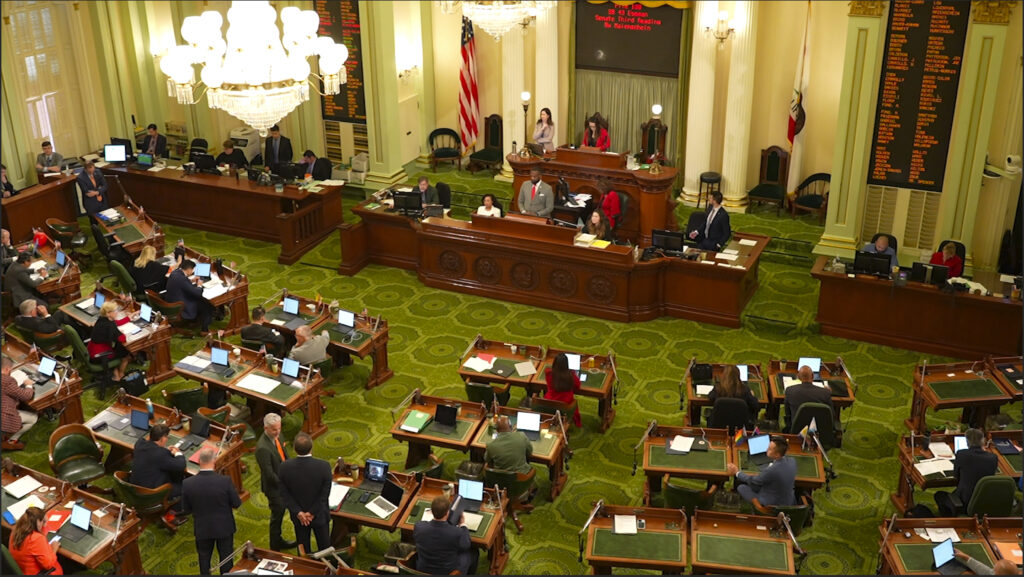
Recognizing the urgency of the teacher shortage and diversity crisis, legislative efforts have been made to address these complex issues.
One such initiative, Senate Bill 1263, represented a significant step in the conversation around TPAs in California.
The initial intent of this bill was to reform or even dismantle the current TPA system, reflecting a growing awareness of the barriers it presented.
However, the evolution of SB 1263 saw modifications that shifted its focus from outright elimination of TPAs to the establishment of a review panel.
This panel is tasked with overseeing the TPA process and providing recommendations to the California Commission on Teacher Credentialing (CTC).
While this modification was met with disappointment by some advocacy groups, it signifies a continued effort to examine and potentially improve the existing assessment framework.
The key now lies in ensuring that any reforms are data-driven, equitable, and truly serve the goal of producing effective and diverse teachers.
Ensuring Fair Representation in Reform
As California moves forward with potential reforms to its teacher assessment system, the composition and mandate of any oversight or review panels are critically important.
For these bodies to be effective and to truly address the concerns raised, they must include a diverse range of voices and perspectives.
Crucially, the representation on such panels should not be dominated by administrative bodies alone.
Instead, there must be a just and equitable representation of teacher educators who understand the nuances of teacher preparation and, most importantly, of practicing teachers themselves.
These are the individuals on the front lines, who grapple daily with the realities of classroom pedagogy and possess invaluable insights into what makes an effective teacher.
Their lived experiences and professional expertise are indispensable in shaping assessments and policies that are both rigorous and practical, and that do not inadvertently create barriers to entry for the diverse talent California desperately needs.
Conclusion: A Call for Action and Equitable Solutions
California's opportunity to decisively address its teacher shortage and diversity deficit is at hand.
The current system of high-stakes teaching performance assessments, while intended to ensure quality, appears to be creating significant barriers, particularly for candidates from underrepresented backgrounds, and contributing to financial strain.
The path forward requires a commitment to comprehensive reform that prioritizes equity, accessibility, and the genuine needs of aspiring teachers.
By fostering robust support systems within teacher preparation programs, alleviating financial burdens, and ensuring that any assessment reforms are guided by the expertise of practicing teachers and educators, California can begin to build a more diverse, qualified, and sustainable teaching workforce.
This is not just an educational imperative; it is a societal one, essential for providing every student with the high-quality education they deserve and for building a more equitable future for the state.






 Explore AI Teaching Tools
Comments (0)
Please login to comment
No comments yet
Be the first to comment on this article