
California's Bold Move: Halving Chronic Absenteeism by 2030 – A Blueprint for Student Success
Chronic absenteeism is a significant hurdle impacting students' academic journeys and future prospects.
Recognizing this, California has embarked on an ambitious initiative to dramatically reduce the number of students missing crucial school days.
This article delves into the state's strategic approach, offering insights and actionable strategies that resonate with educators, parents, and policymakers worldwide, all while highlighting how platforms like Mentofy can support these vital educational goals.
Understanding the Scope of Chronic Absenteeism in California Schools
The challenge of chronic absenteeism, defined as missing 10% or more of the school year, has been a persistent concern for educational institutions.
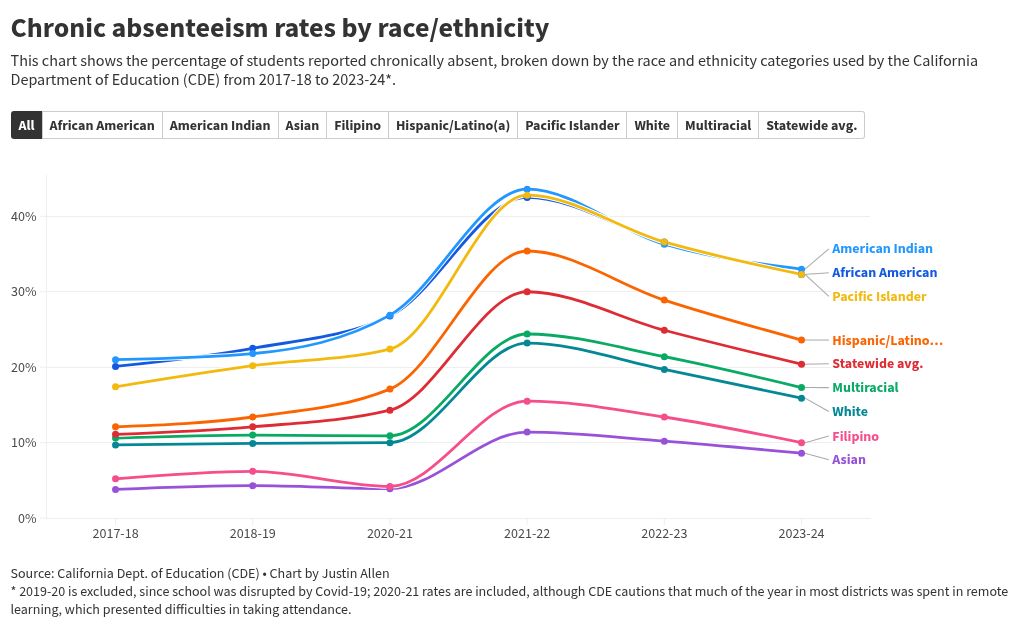
In California, recent data indicates that a substantial portion of students fall into this category, with the 2023-24 school year seeing a 20% rate.
This figure represents millions of students whose learning is being disrupted, creating a ripple effect on their academic achievement and overall well-being.
Studies indicate that this issue disproportionately affects certain student populations, including Black, Native American, and Pacific Islander students, underscoring the need for targeted and equitable interventions.
The aftermath of the COVID-19 pandemic exacerbated existing attendance issues.
While schools have worked diligently to restore pre-pandemic attendance levels, the journey has been challenging.
The state's commitment to cutting chronic absenteeism by half over the next five years signifies a proactive stance in addressing this complex problem.
This goal is not merely a statistic; it's a commitment to ensuring that every student has the opportunity to thrive in their educational environment.
Disparities in Attendance Rates
A deeper look at the data reveals significant disparities in chronic absenteeism rates across different ethnic and racial groups.
While the overall state average hovers around 20%, research shows that for Black, Native American, and Pacific Islander students, this rate can be as high as one in three.
This disparity highlights systemic issues that require a nuanced and culturally responsive approach.
Understanding that chronic absenteeism is not a random phenomenon but often linked to specific vulnerabilities and transitions is crucial for developing effective strategies.
Factors contributing to these higher rates can be multifaceted, including socioeconomic challenges, historical inequities, and lack of culturally relevant support systems within schools.
Addressing these underlying causes is paramount to achieving equitable attendance outcomes for all students.
California's Strategic Framework for Attendance Recovery
In its pursuit of halving chronic absenteeism, California has developed a comprehensive strategy, supported by a dedicated guide for school districts.
This framework emphasizes a shift from punitive measures to a more supportive and holistic approach, recognizing that students' lives extend far beyond the classroom walls.
The California Attendance Guide: A Resource for Districts
The California Department of Education has released a pivotal guide designed to equip school districts with the tools and knowledge necessary to combat chronic absenteeism.
This resource is a testament to the state's commitment to providing practical, evidence-based strategies.
It encourages districts to adopt a proactive stance, focusing on early identification of students at risk and implementing timely interventions.
The guide likely promotes a multi-tiered system of support (MTSS) for attendance, where universal strategies are applied to all students, while targeted and intensive interventions are reserved for those with the greatest needs.
This approach ensures that resources are allocated effectively and that every student receives the appropriate level of support.
Partnerships and Collaborative Efforts
Recognizing that this challenge requires a collective effort, California has forged partnerships with key organizations.
Collaborations with entities like Attendance Works and the California Collaborative for Educational Excellence are instrumental in pooling expertise and resources.
These partnerships foster a shared understanding of the problem and a unified approach to finding solutions.
Regional agencies, such as the Los Angeles County Office of Education, have also contributed valuable resources, including toolkits and playbooks, further enriching the support ecosystem for schools.
These collaborations are vital for disseminating best practices, providing professional development for educators, and fostering a statewide network of support.
By working together, these organizations can amplify their impact and accelerate progress toward the state's attendance goals.
Addressing the Root Causes of Student Absenteeism
Chronic absenteeism is rarely a simple matter of a student choosing not to attend school.
Research indicates that a complex web of factors contributes to a student's consistent absence.
Understanding these underlying causes is the first step toward developing effective, student-centered solutions.
The Impact of Basic Needs and Well-being
Many students face significant barriers to attending school that stem from unmet basic needs.
These can include unstable housing situations, food insecurity, and unreliable transportation.
When families are struggling to meet these fundamental requirements, school attendance can become a secondary concern.
Addressing these issues requires a community-wide effort that connects families with essential resources and support services.
Furthermore, students' mental and physical health plays a critical role.
Chronic illnesses, mental health challenges such as anxiety and depression, and even bullying can make attending school a daunting prospect.
Painful monthly menstruation cycles can also lead to absences, particularly for girls.
Schools and communities must prioritize creating environments that are safe, supportive, and responsive to students' health needs.
Navigating Transitions and Vulnerable Subpopulations
Studies indicate that chronic absenteeism often increases during periods of transition, such as moving from middle school to high school.
These shifts can be overwhelming for students, bringing new academic demands, social pressures, and a change in school environment.
Similarly, vulnerable student subpopulations, sometimes defined by age or specific circumstances, may be more susceptible to chronic absenteeism.
Identifying these critical junctures and providing targeted support can help students navigate these transitions successfully.
This might include mentorship programs, academic counseling, and social-emotional learning initiatives designed to build resilience and coping skills.
Innovative Solutions and Policy Shifts
California's approach to tackling chronic absenteeism involves both innovative local strategies and significant policy changes at the state level.
The aim is to create a system that supports students and families rather than penalizing them.
Rethinking School Funding Models
Historically, school funding in California has been tied to average daily attendance (ADA).
This model can inadvertently penalize schools with high rates of chronic absenteeism, as reduced attendance leads to reduced funding.
Senate Bill 98 represents a significant policy shift, seeking to move funding towards average daily membership (ADM), which is based on student enrollment.
This change aims to stabilize school funding, allowing districts to invest in attendance-focused initiatives without the constant threat of budget cuts due to student absences.
The Legislative Analyst's Office is tasked with examining the effects of this shift, providing crucial data to inform future policy decisions.
This move signifies a recognition that investing in student presence is more effective than penalizing their absence.
Attendance Recovery Programs
To help students make up for lost instructional time, districts now have the option to offer attendance recovery programs.
These programs allow students to earn back credit or make up for missed days by participating in supplemental classes.
These classes can be offered outside of regular school hours, including before or after school, on weekends, or during intersession breaks.
This flexibility ensures that students have multiple opportunities to re-engage with their learning and catch up on missed material.
This initiative is particularly valuable for students who have fallen behind due to extended absences, providing a structured pathway back to academic success.
It reinforces the idea that recovery and support are key components of attendance improvement.
Local Success Stories: The Power of a Community Approach
While state-level initiatives provide a crucial framework, the most impactful solutions often emerge from local communities.
The experiences of individual school districts offer valuable lessons on how to effectively address chronic absenteeism.
Livingston Union School District: A Case Study in Engagement
The Livingston Union School District in Merced County provides a compelling example of successful attendance recovery.
After experiencing a rise in chronic absenteeism post-pandemic, the district implemented a multifaceted strategy that focused on building trust with parents and addressing their concerns.
Recognizing that parents were hesitant to send children to school with even minor symptoms, the district prioritized clear and frequent communication.
They also increased their medical and counseling staff, ensuring that students had access to support for both physical and mental health needs.
A key strategy involved proactive engagement with parents of students at risk of chronic absenteeism, inviting them for meetings on campus.
This collaborative approach fostered a sense of partnership and shared responsibility.
Celebrating Growth and Building Momentum
A crucial element of Livingston Union's success lies in their focus on celebrating student progress.
Instead of solely focusing on perfect attendance, they acknowledge and reward growth.
Recognizing a student who has moved from a difficult attendance month to making the perfect attendance list, or who has only missed one day in a given month, sends a powerful message of encouragement.
This positive reinforcement helps students build confidence and a sense of accomplishment, motivating them to continue attending school.
This approach shifts the narrative from one of deficits to one of progress, fostering a more positive and motivating school environment for all students.
The Future of Attendance: A Holistic and Supportive Ecosystem
The movement away from punitive measures towards a more holistic and supportive approach to chronic absenteeism is a significant and positive development in education.
The emphasis is now on creating conditions where students *want* to be in school, rather than forcing them to attend.
Empowering Students and Fostering Belonging
Experts emphasize the importance of empowering youth leaders and cultivating a strong sense of belonging on campus.
When students feel connected to their school community, valued, and supported, their motivation to attend increases.
This involves creating inclusive environments where every student feels seen, heard, and respected.
Schools can achieve this through various initiatives, such as student-led clubs, peer mentoring programs, and opportunities for student voice and leadership.
When students are active participants in their school's culture, they are more likely to invest in their own education.
Addressing Systemic Barriers
While individual student support is crucial, it is equally important to address the systemic barriers that contribute to chronic absenteeism.
This means examining school policies, community resources, and societal factors that may be hindering student attendance.
A systems-level approach ensures that interventions are sustainable and have a broad impact.
Platforms like Mentofy can play a vital role in this ecosystem by providing accessible, high-quality educational resources that can supplement classroom learning and support students who have missed instruction.
By offering flexible learning opportunities, Mentofy can help students catch up, stay engaged, and build confidence, ultimately contributing to improved attendance and academic success.
Conclusion
California's commitment to halving chronic absenteeism by 2030 is a beacon of hope for students and educators alike.
This ambitious goal is being pursued through a strategic blend of policy reform, innovative local practices, and a deep understanding of the multifaceted causes of student absence.
By shifting focus from punitive measures to holistic support, fostering partnerships, and empowering students, California is paving the way for a future where every student has the opportunity to attend school consistently and thrive academically.
The insights and strategies emerging from this initiative offer valuable lessons for educational communities worldwide, underscoring the critical importance of ensuring consistent student presence for a successful learning journey.






 Explore AI Teaching Tools
Comments (0)
Please login to comment
No comments yet
Be the first to comment on this article