
California's Untapped Potential: Weaving Community Schools and Teacher Residencies for Deeper Impact
California has poured billions into two powerful initiatives designed to uplift its most vulnerable public schools: the community school model and robust teacher residency programs. Both are proven strategies, yet the state is missing a critical opportunity to amplify their collective impact by failing to strategically integrate them.
Imagine a future where every school district could successfully implement and sustain teacher residencies, and every school operates with the comprehensive support structures of a community school. While this vision is still being built, the question arises: why aren't we maximizing the substantial public investment to fuse these strengths where the need is most acute?
A Dual Investment in School Transformation
Since 2021, California has committed a staggering $4.1 billion to the California Community Schools Partnership Program, supporting over 2,500 community schools in high-need districts. The proposed new budget includes an additional $1 billion, marking the largest single-year state investment in this approach.
The community school model is rooted in a racially just, relationship-centered philosophy that thrives on community collaboration. Its effectiveness stems from a straightforward premise: when schools provide students and their families with consistent access to essential health and social services, students attend more regularly, concentrate better, and are more prepared to learn.
This readiness to learn, however, hinges on the quality of instruction and the well-being of educators. There's a growing recognition that community schools also significantly boost teacher satisfaction, retention, and overall working conditions. When schools are structured to dismantle barriers to learning, teachers can dedicate more of their energy to teaching.
Yet, the current framework of community schools doesn't inherently encourage community partners to actively cultivate the skills of new and experienced educators in delivering these integrated services. This is particularly crucial for long-term sustainability, especially as grant funding cycles conclude.
Teacher Preparation: An Overlooked Community Partner
Teacher preparation programs represent an ideal, though largely unrealized, avenue for community partnerships focused on cultivating, engaging, and retaining high-quality educators. The state itself appears to acknowledge this potential.
Since 2018, California has allocated over $670 million to support teacher residency partnerships between school districts and teacher preparation institutions. These initiatives aim to ensure that the highest-need districts are staffed with excellent teachers.
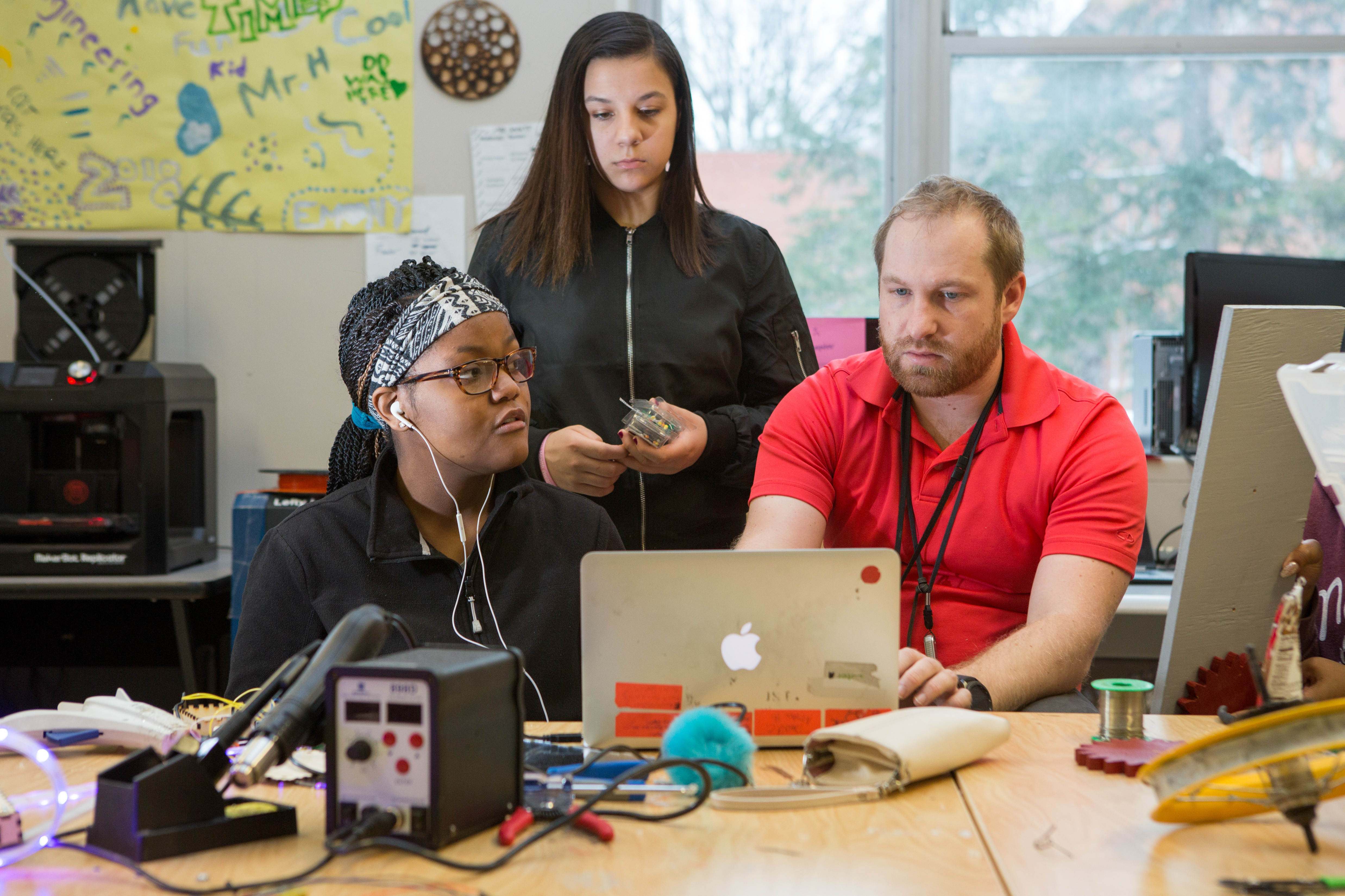
Modeled after medical residencies, teacher residencies involve candidates spending a full year in a single school, working closely with an experienced mentor teacher. Initially conceived to address teacher shortages by recruiting, supporting, and retaining a diverse educator workforce, these partnerships can yield even greater benefits.
In more reciprocal arrangements, residencies can elevate the quality and satisfaction of both new and veteran teachers, while simultaneously reducing costs for districts and the preparation programs themselves.
Bridging the Divide: Structural Barriers and Missed Connections
The challenge lies in the fact that many teacher preparation programs lack the expertise or framework to function effectively as community partners. Drawing from experience as a former director and faculty member at a university-based teacher preparation program with multiple residency partnerships, and as a professional development provider to approximately 1,000 community school educators in the Los Angeles Unified School District, the potential for synergy is immense.
Community schools and teacher residencies are developing in parallel, but they could be intentionally intertwined to create and sustain the enriching school experiences that students, communities, and educators truly deserve. Several structural impediments explain why this integration isn't yet a widespread reality.
School districts are primarily accountable to the California Department of Education for student outcomes, while teacher preparation programs answer to the California Commission on Teacher Credentialing. Although both systems ultimately serve students and educators, their operational designs do not naturally facilitate collaborative work.
Beyond Transactional Relationships: Towards Shared Ownership
Furthermore, deeply ingrained habits in the education sector contribute to the disconnect. For decades, the relationship between teacher preparation programs and school districts has often been transactional, sometimes even bordering on paternalistic. Preparation programs might request district cooperation in hosting student teachers, but rarely inquire about how they can actively support district priorities.
Once candidates earn their credentials and are hired, communication with the programs that prepared them often dwindles. This model falls short of the deeper engagement required for community schools, which necessitates shared investment, collaborative decision-making, and a collective ownership of outcomes.
This level of depth and coordination is far more achievable when funding, performance metrics, and accountability are shared across the systems responsible for both preparing and employing teachers. The integration of teacher residencies could profoundly benefit community schools by providing a structured pathway for consistently training and supporting both new and experienced teachers in aligning their practices with effective community school principles.
The presence of additional adults—teacher residents—on campus, deeply connected to students and the community, offers an undeniable advantage. These residents can serve as valuable extensions of the educational and support staff.
Enhancing Practice Through Integrated Training
Concurrently, teacher preparation programs should align their curriculum with district practices and adopted curricula. This ensures that teacher residents and their mentors are equipped with research-based strategies to effectively leverage the four core pillars of community schools:
- Integrated student and family supports
- Family and community engagement
- Expanded and enriched learning opportunities
- Collaborative leadership and practices
Teacher preparation programs can also step forward as enduring community partners in other vital areas. For instance, they could collaborate with districts to:
- Critically evaluate and vet instructional materials
- Co-design ongoing professional learning opportunities tailored to educator needs
- Identify relevant research topics that address practical challenges faced in schools
Currently, there are few incentives and even fewer established structures to encourage this crucial shift towards deeper collaboration.
Policy Levers for a More Integrated Future
These barriers are not insurmountable, but overcoming them will require deliberate policy choices and proactive local leadership to align existing programs. Key areas for intervention include:
Leveraging Grant Criteria and Reporting
The Commission on Teacher Credentialing should prioritize community school sites within its residency grant criteria. This would ensure that new teachers receive preparation grounded in the community school framework, allowing teacher preparation programs to benefit from the invaluable partnership expertise already present in these schools.
Similarly, the California Department of Education should recognize residencies as a sustainable strategy for educator wellness and capacity building within its community school implementation grants. If future grants from both departments incorporate a small set of shared outcomes related to educators—such as improved retention rates, reduced vacancy numbers, and increased job satisfaction—it could significantly streamline state efforts to enhance schools from the preparation phase through daily operations.
Sharing Resources and Expertise Widely
The California Department of Education has established statewide technical assistance centers for community schools, and the teacher credentialing commission has done the same for residencies. These entities should actively collaborate to provide comprehensive support to districts, schools, and community partners in adopting the community school framework and designing effective residencies, irrespective of specific grant funding.
Cultivating Teacher Preparation Programs as Community Partners
Policymakers can encourage teacher preparation programs to become more deeply embedded community partners. This can be achieved by aligning recruitment strategies, coursework, and field experiences with the specific needs of the communities they serve. State credentialing requirements for teacher candidates and programs can play a pivotal role in fostering this alignment, whether the communities have formally designated community schools or not.
The combined strengths of community schools and teacher residency partnerships have already illuminated what students and educators need to thrive. Sometimes, California doesn't need entirely new, groundbreaking programs; it simply needs to thoughtfully weave together the effective initiatives already in place.





 Explore AI Teaching Tools
Comments (0)
Please login to comment
No comments yet
Be the first to comment on this article