
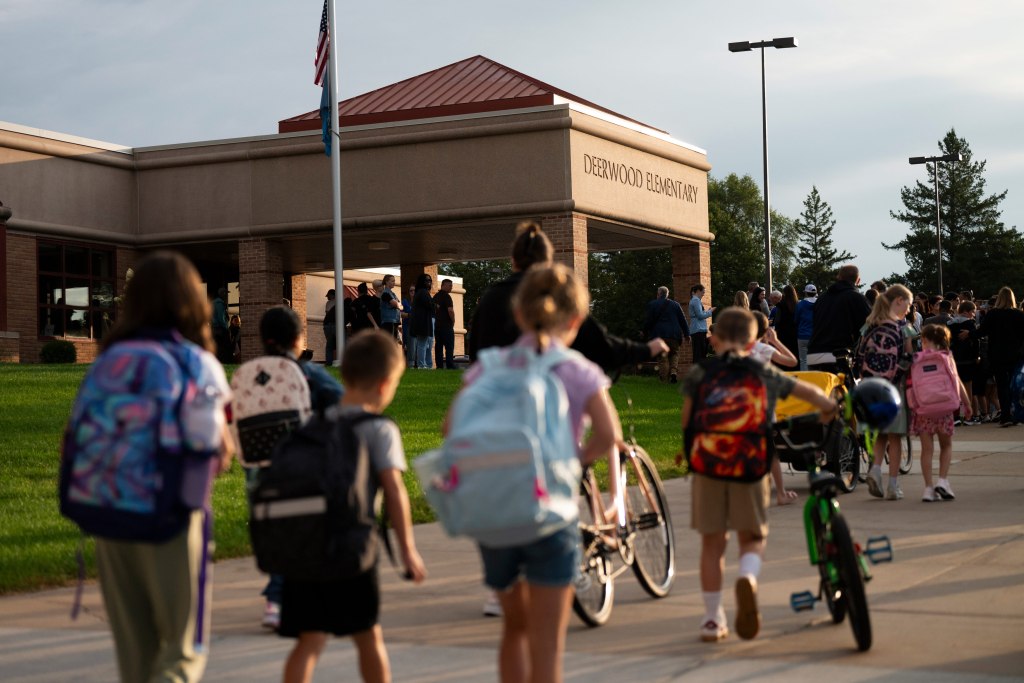
Beyond the Excused Absence: Unlocking the Real Reasons Students Skip School
Chronic absenteeism has ballooned into a crisis overshadowing American education, with students missing more school days than ever before. This isn't just about a few missed classes; it's a direct pipeline to lower academic achievement, increased dropout rates, and lasting societal harm. While schools have ramped up communication, bolstered mental health support, and tackled logistical hurdles, the stubborn reality of students missing 10% or more of the school year persists.
The missing piece of the puzzle has long been granular national data on why students are absent. A recent comprehensive study, however, dives deep into the specifics, surveying parents and teens about every missed school day and exploring the underlying contexts. The findings offer a critical reframe: to truly combat chronic absenteeism, we must shift our focus from the obvious to the impactful, addressing the precise drivers behind students' disengagement.
The Illusion of Illness: When Routine Ailments Aren't the Whole Story
Physical health is an undeniable factor in school attendance. Nearly every student experiences occasional absences due to illness, a predictable reality of childhood and adolescence. However, this common reason, while universal, is not the primary engine of chronic absenteeism.
When we examine students who miss a significant number of school days, the culprits are often less frequent but far more potent. These are the "high-impact, low-prevalence" drivers that, while affecting a smaller segment of the student population, accumulate absences at an alarming rate for those individuals.
Unmasking the High-Impact Drivers of Absence
The data reveals that reasons beyond routine sickness are disproportionately contributing to chronic absenteeism. These include a range of complex issues that demand targeted attention.
Beyond the Common Cold: Identifying Key Absence Triggers
- Suspensions: Disciplinary actions, even for short periods, can disrupt a student's connection to school and create a cascade of missed learning.
- Family Caregiving: Students may be responsible for younger siblings or ill family members, making school attendance a secondary concern.
- Transportation Barriers: Lack of reliable transportation can transform a minor inconvenience into a significant obstacle to attending school regularly.
- Mental Health Struggles: The profound impact of emotional and psychological well-being on a student's ability to engage with school is becoming increasingly clear.
- "Just Didn't Want to Go": This seemingly simple phrase often masks deeper issues of disengagement, lack of motivation, or a negative school experience.
These less common reasons can result in two to three times more missed school days per student compared to typical illnesses, highlighting their outsized influence on chronic absenteeism.
The Silent Epidemic: Mental Health's Deep Connection to Attendance
Mental health challenges are not isolated incidents; they are deeply interwoven with a student's overall engagement, the school's climate, and the stresses within their families. The research underscores this critical link.
Teens reporting struggles with their emotional or psychological well-being miss an average of 12 more days of school annually than their peers who do not. This stark statistic represents real students facing mornings where the prospect of attending school feels insurmountable.
Student Voices: The Daily Battle with Anxiety and Motivation
In candid interviews, students articulate the profound difficulty of simply getting out of bed when struggling with their mental health. One teen shared, "Yeah, like if I really . . . like I don’t want to get out of bed. I will just stay home because I don’t want to have a bad day trying to force myself to push through."
Another described the escalating anxiety before school: "There’s times when it’s, like, really hard for me to even get ready, and I can already kind of tell that I’m really anxious . . . and I know that I wouldn’t be able to handle it if I went to school." These are not choices made lightly but rather responses to overwhelming internal states.
Rethinking Support: Mental Health as an Attendance Strategy
Students themselves are vocal about what could make a difference. "I think maybe they could provide more therapy or counseling, or more mental health days on campus . . . so students get a break," one student suggested.
We cannot afford to treat mental health as a peripheral issue when tackling absenteeism. Investments in accessible counseling services, the creation of calmer and more supportive school environments, and proactive mental health interventions are not optional add-ons; they are essential strategies for improving school attendance.
Engagement as the Bedrock: When Students Want to Be There
Perhaps the most striking revelation from the study is the powerful correlation between student engagement and school attendance. The more invested students are in their education, the more likely they are to be present.
Teens who report caring "a lot" about their academic performance miss approximately 10 fewer days per year than their less engaged peers. This suggests that fostering a genuine desire to learn is a potent antidote to chronic absenteeism.
The Motivation Equation: Beyond Individual Effort
Students themselves recognize the role of motivation in their attendance. "I feel like the students just got to motivate themselves," one teen commented. "People just want to stay at home, watch YouTube and do whatever they want, instead of go to school."
However, engagement is not solely a matter of individual willpower. The quality of relationships within the school environment plays a crucial role. "Sometimes knowing that a teacher cares about where you are or what’s happening in your life means a lot," a student explained.
The Power of Connection: How Relationships Drive Attendance
Follow-up and genuine care from educators can make a significant difference. "Teachers who are like, ‘Hey, I saw you having a hard time. Let me know if you need anything . . .’ for me, it makes me want to put in more effort," a student shared.
In essence, students who feel recognized, supported, and valued are demonstrably more inclined to attend school. This underscores the importance of building strong, positive relationships as a fundamental component of an effective attendance strategy.
Reimagining Attendance Systems: From Excused to Understood
Current attendance tracking systems often fall short by focusing on the binary distinction between "excused" and "unexcused" absences. While this may satisfy administrative requirements, it offers little insight into the underlying reasons for a student's absence.
To truly address chronic absenteeism, schools need to move beyond this superficial categorization and gather more nuanced data that illuminates the root causes of disengagement.
Three Pillars for a New Approach to Attendance
The study outlines a clear path forward, emphasizing precision and a deeper understanding of student needs.
- Systematic Data Collection: Schools must implement systematic methods for gathering specific information about why students are missing school. This includes understanding factors like anxiety, caregiving duties, transportation challenges, or disengagement, and then aligning policies and interventions with these identified drivers.
- Targeted Interventions for High-Impact Causes: Districts should focus resources on addressing high-impact, low-prevalence causes with tailored support. A small group of students may face significant barriers like caregiving responsibilities, unreliable transportation, or repeated suspensions. For these students, these factors are the primary drivers of chronic absence, and targeted interventions can yield substantial improvements.
- Rebuilding Engagement and Expectations: Most crucially, schools must prioritize rebuilding student engagement and fostering positive expectations. This should not be an afterthought. Students who feel a strong connection to their school, believe that adults care about them, receive consistent messaging about the importance of attendance, and perceive value in their learning exhibit dramatically better attendance patterns.
By focusing solely on the most common reasons for absence, we risk overlooking the factors that have the most profound and consequential impact on students' educational journeys. The findings from this research highlight the urgent need to track absences by their root causes and to actively cultivate school environments where students genuinely want to be and feel empowered to attend.







 Explore AI Teaching Tools
Comments (0)
Please login to comment
No comments yet
Be the first to comment on this article