
California Community Colleges Chart New Degree Paths Amidst Systemic Tensions
In a move that signals a significant shift in the state's higher education landscape, California community colleges have successfully navigated objections from the California State University (CSU) system to approve three new bachelor's degree programs. This decision marks a pivotal moment in the ongoing debate over expanding access to four-year degrees at the community college level, particularly in fields with pressing local workforce needs.
Pioneering Programs Take Root
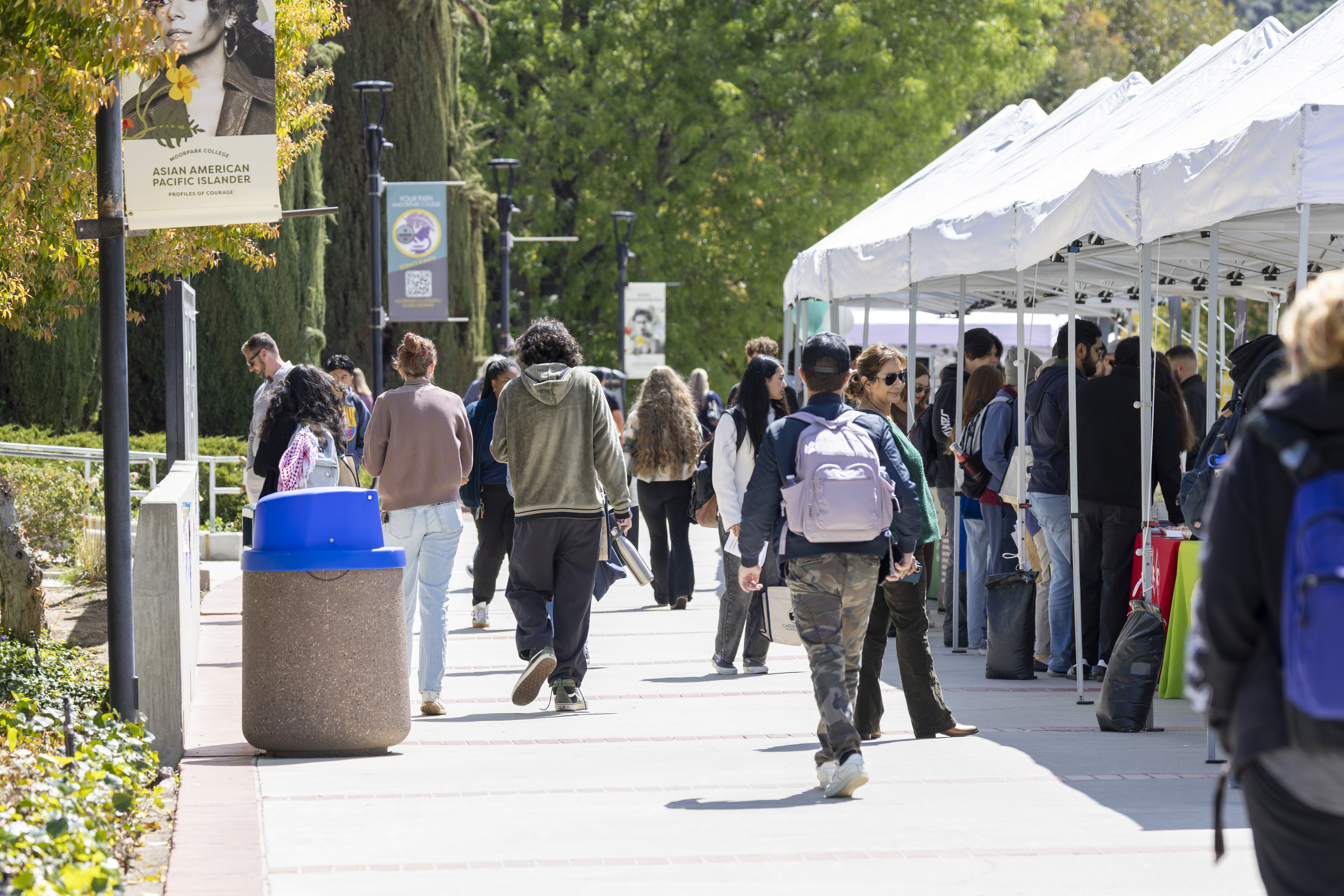
Moorpark College in Ventura County will now offer a bachelor's degree in cyberdefense, a field experiencing rapid growth and demand. San Diego Mesa College has secured approval for a physical therapy assistant bachelor's degree, aiming to bolster the healthcare workforce in its region.
Meanwhile, Southwestern College in San Diego County will launch a unique transborder environmental design program, focusing on urban planning within the dynamic CaliBaja region. These initiatives represent a strategic effort by community colleges to address specific labor market demands within their local communities.
The Shadow of Duplication: A Systemic Standoff
The approval of these three degrees comes after considerable deliberation and, notably, despite formal objections from the California State University system. State law permits community colleges to offer bachelor's degrees in areas demonstrating a clear labor market need, provided they do not substantially duplicate existing offerings at CSU or other four-year institutions.
While approximately 60 such degrees have been approved across the state with minimal contention, a dozen or more proposals have languished for years, caught in a protracted dispute over what constitutes "duplication." This impasse highlights a fundamental disagreement between the two systems regarding program relevance and student access.
Community Colleges' Case for Local Degrees
Advocates for community college bachelor's degrees argue that these institutions are uniquely positioned to serve students who are often place-bound, meaning they need to study and work within their immediate geographic areas. They contend that CSU campuses, often located in different regions, cannot claim genuine duplication when community colleges are addressing the specific workforce needs of their local communities.
This perspective suggests that a degree offered in one part of the state might not be a viable alternative for students in another, particularly those with family or employment commitments that limit their mobility. The focus, they assert, should be on providing pathways to in-demand jobs for the students who can most benefit from them locally.
CSU's Stance on Program Overlap
Conversely, the California State University system maintains that geographic location is not a determining factor in assessing program duplication. CSU campuses, some of which are grappling with enrollment challenges, express concern that community college bachelor's programs could siphon off potential students who might otherwise pursue degrees at their institutions.
This viewpoint emphasizes the importance of maintaining distinct roles within the higher education ecosystem and ensuring that four-year universities are not unduly challenged by community colleges offering similar bachelor's level programs. The CSU system's objections are rooted in a desire to protect its own enrollment and program integrity.
A Precedent-Setting Decision
Historically, the California Community Colleges Chancellor's Office, which holds the ultimate decision-making authority, has been hesitant to approve degrees that face active opposition from CSU. However, in this instance, officials opted to move forward, citing extensive deliberations with CSU campuses and a recent independent analysis.
This decision to overrule CSU objections is a significant departure, suggesting a growing confidence within the community college system to champion programs deemed essential for local economic development and student success. It signals a potential recalibration of power dynamics in the state's higher education governance.
The WestEd Report: A Turning Point
A critical factor in the approval of these three degrees was a report commissioned by the community college system from the research nonprofit WestEd. This analysis examined CSU's objections to 16 proposed community college bachelor's degrees and concluded that duplication would be minimal for several of them.
The report's findings, which suggested that location and local labor market needs are relevant considerations, provided crucial evidence to support the community colleges' case. It offered a data-driven counterpoint to CSU's broader claims of duplication, empowering the approving board to make a decision based on specific program contexts.
The programs at Moorpark and San Diego Mesa had been awaiting approval since 2023, while the Southwestern College program had been in limbo since early 2025. The WestEd report provided the impetus to finally move these initiatives forward.
Navigating Legislative and Advocacy Arenas
The ongoing friction has not gone unnoticed by state lawmakers and advocacy groups. Frustration with CSU's persistent opposition is fueling efforts to streamline the approval process for community college bachelor's degrees.
Senate Bill 960, currently under consideration by the Legislature, proposes to restrict four-year universities from lodging duplication objections unless they are geographically proximate to the community college in question. This legislative approach aims to make objections more targeted and relevant to actual competition for students.
The Ballot Measure Gambit
Beyond legislative action, the Community College League of California, a prominent advocacy organization, is exploring the possibility of a statewide ballot measure. This strategy would allow voters to directly decide on expanding bachelor's degree offerings at community colleges.
Recent polling commissioned by the League indicates strong public support for this expansion. A survey of likely 2028 California voters found that 80% favor increasing the number of bachelor's degrees available through community colleges. This data is intended to be leveraged in discussions with state officials and candidates.
Larry Galizio, CEO of the League, stated that the preferred route is through legislative reform. However, he acknowledged that a ballot measure remains a viable option if legislative progress stalls, demonstrating a multi-pronged approach to achieving their goals.
Deep Dive into the WestEd Analysis
The WestEd report played a pivotal role in the final approvals, offering a nuanced perspective on program duplication. It suggested that many of the 16 degrees under review would serve student populations not currently reached by CSU, thereby expanding educational access rather than competing for the same pool of students.
Crucially, the report posited that the geographic proximity of a proposed degree and the objecting CSU campus is a relevant factor in assessing duplication. This challenged CSU's long-held stance that location is immaterial to program overlap.
CSU's Rebuttal to the Analysis
The California State University system has expressed reservations about the WestEd report's methodology. A spokesperson for CSU stated that the report incorporated criteria beyond existing state law and disregarded established duplication criteria developed collaboratively by faculty from all three segments of higher education in the state.
This disagreement underscores the complexity of defining and measuring program duplication in a diverse and expansive higher education system. The differing interpretations of what constitutes a valid objection and how to assess program overlap remain at the heart of the conflict.
The San Diego Mesa Case Study
For San Diego Mesa College's physical therapy assistant degree, the WestEd analysis was instrumental. The program faced an objection from CSU San Bernardino, which offers a bachelor's degree in kinesiology. The WestEd report highlighted that very few students transfer from Mesa to San Bernardino, and the significant geographic distance between the campuses (95 miles) suggested they were not directly competing for the same student body.
While acknowledging some curriculum overlap, the report also pointed to distinct career outcomes. CSU San Bernardino's kinesiology degree is geared towards athletic performance and fitness, whereas Mesa's program is designed to be broader, preparing students for a wider range of physical therapy assistant roles. This distinction provided the Board of Governors with the confidence that the programs were not truly duplicative.
"I think that gave the Board of Governors the confidence to say that whatever course duplication there might be, these are not duplicative programs," stated Greg Smith, chancellor of the San Diego Community College District, emphasizing the report's impact on the decision-making process.
Southwestern and Moorpark's Path to Approval
Similarly, the WestEd analysis was a key component in the final approvals for the proposed degrees at Southwestern College and Moorpark College. The report's findings on local labor market needs and student access likely played a significant role in swaying the decision-makers.
These approvals, following years of deliberation, demonstrate a willingness by the community college system to push forward with programs that align with regional economic imperatives, even in the face of established institutional objections.
Unblocking Other Pathways
In related developments, the CSU system has recently withdrawn its objections to three other community college bachelor's degree proposals. These include applied advocacy and organizing at Oxnard College, field ironworker supervision at Cerritos College, and digital infrastructure and location science at Santiago Canyon College.
The community college chancellor's office has since granted final approval for the Cerritos College program. Santiago Canyon College's degree has received conditional approval, pending a final review by an accrediting body. These withdrawals suggest a potential softening of CSU's stance on certain proposals, possibly influenced by the ongoing dialogue and the WestEd findings.
While these three programs are moving forward, approximately ten other proposed degrees remain in limbo. However, the recent approvals signal a positive trend, with the possibility of more degrees gaining traction in the coming weeks. This evolving landscape promises to reshape the educational opportunities available to students across the state, offering more accessible pathways to bachelor's degrees and addressing critical workforce demands within local communities.






 Explore AI Teaching Tools
Comments (0)
Please login to comment
No comments yet
Be the first to comment on this article