
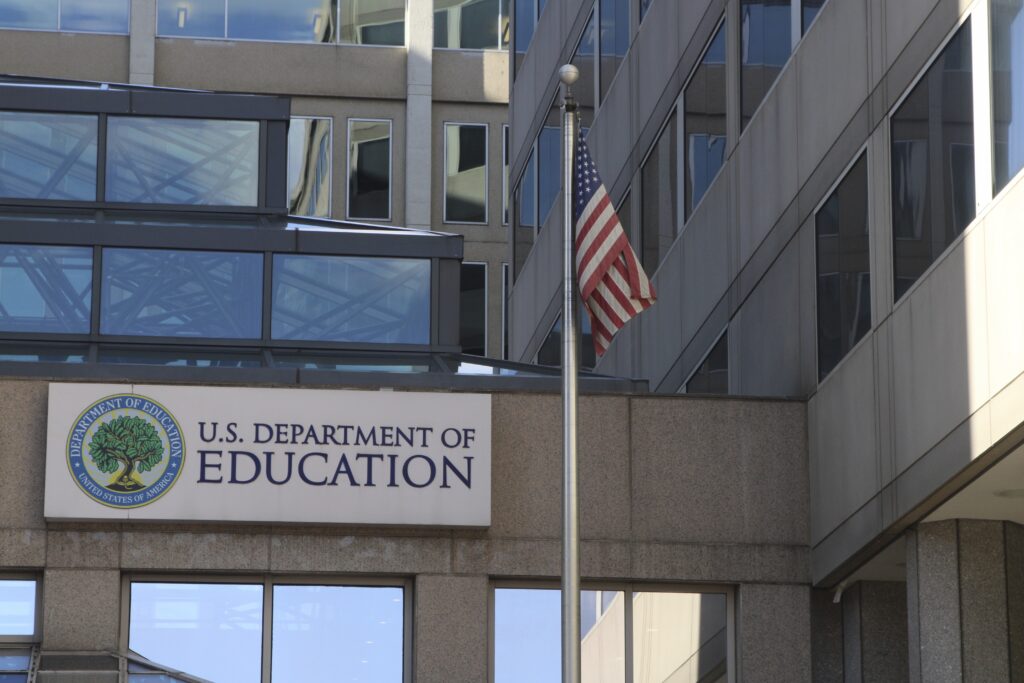
Safeguarding Student Rights: Navigating Civil Rights in Education Amidst Shifting Federal Support
The landscape of educational equity is constantly evolving, and understanding the mechanisms that protect students' civil rights is paramount for learners, educators, and parents alike.Recent shifts in federal oversight have raised significant questions about the future of these protections, particularly for students in states like California.
This article delves into the critical role of civil rights offices in education, explores the implications of reduced federal presence, and highlights how students and educational institutions can remain informed and empowered.
The Crucial Role of Federal Civil Rights Offices in Education
Federal civil rights offices within the Department of Education play an indispensable role in ensuring that all students, regardless of their background, have access to a safe and equitable learning environment.These offices are tasked with enforcing a suite of federal laws designed to prevent discrimination and protect vulnerable student populations.
Their work is not merely administrative; it is foundational to the principle that education is a right, not a privilege, and that no student should face barriers due to their race, ethnicity, gender, disability, religion, or other protected characteristics.
The scope of their mandate is broad, encompassing everything from addressing systemic issues of segregation and unequal access to resources to investigating individual complaints of harassment and discrimination.
For students in California, a state with a diverse student body and a complex educational system, the presence of a robust federal civil rights office has been a vital backstop against potential violations.
Key Functions of Federal Civil Rights Enforcement
* Investigating Complaints: These offices receive and investigate allegations of discrimination and civil rights violations reported by students, parents, and educators. * Enforcing Federal Laws: They ensure compliance with landmark legislation such as Title VI of the Civil Rights Act of 1964, Title IX of the Education Amendments of 1972, and the Individuals with Disabilities Education Act (IDEA). * Promoting Equity: Beyond reactive enforcement, these offices work proactively to promote educational equity and dismantle discriminatory practices within educational institutions. * Resolving Disputes: They facilitate resolutions between complainants and educational institutions, often through negotiated agreements and policy changes.Implications of Reduced Federal Oversight on Student Protections
Recent developments have signaled a significant alteration in the federal government's approach to civil rights enforcement in education.Reductions in workforce and the closure of regional offices have sparked considerable concern among educators, advocates, and students themselves.
The impact of such changes can be far-reaching, potentially leaving students with fewer avenues for recourse when their rights are violated.
When federal offices that handle a substantial caseload of civil rights complaints are scaled back or shuttered, the immediate consequence is a diminished capacity to address existing and emerging issues.
For states like California, which have historically seen a high volume of civil rights cases, this reduction can create a critical gap in enforcement.
The absence of a strong federal presence can send a message that certain violations may go unaddressed, potentially emboldening institutions to overlook or downplay their obligations.
The California Context: A High Volume of Cases
California, with its vast and diverse student population, has consistently been a state with a significant number of pending civil rights cases.These cases often involve complex issues such as disability discrimination, racial harassment, and disparities in educational opportunities.
The closure of regional offices that previously handled these complaints raises serious questions about the fate of these pending cases and the ability of students to file new ones effectively.
The sheer number of cases, often spanning years and involving sensitive allegations, means that any disruption to the investigative process can have profound and lasting effects on the students involved.
The uncertainty surrounding case transfers and the potential for increased caseloads per investigator can lead to extended delays, further exacerbating the distress of those seeking justice.
Expert Opinions on the Impact
Educators and former civil rights officials have voiced strong concerns, stating that such reductions could leave vulnerable students without essential protections.The argument is that while state and local entities provide the bulk of educational funding and governance, the federal government's role in enforcing civil rights laws is unique and critical.
Without this federal backstop, students facing discrimination or systemic inequities may find their options for redress severely limited.
Studies indicate that a robust federal presence is often necessary to ensure consistent application of civil rights standards across different jurisdictions.
When this presence is weakened, disparities in enforcement can emerge, potentially leading to unequal protections for students in different regions or states.
Empowering Students and Educational Institutions in a Changing Landscape
In light of evolving federal support for civil rights enforcement, it is more important than ever for students, parents, and educational institutions to be proactive and informed.Understanding existing rights and available resources is key to navigating the educational system effectively and ensuring that civil rights are upheld.
Understanding Your Rights as a Student
Every student has the right to an education free from discrimination and harassment.Federal laws provide a framework for these protections, and it is essential for students and their families to be aware of them.
This includes understanding what constitutes discrimination, the types of issues that civil rights offices investigate, and the general process for filing a complaint.
Practical Steps for Educational Institutions
Educational institutions have a fundamental responsibility to foster an inclusive and equitable environment.This requires not only compliance with federal and state laws but also a commitment to proactively addressing potential issues. * Develop Clear Policies: Establish and widely disseminate clear, comprehensive policies against discrimination and harassment. * Provide Training: Regularly train staff and students on civil rights, anti-discrimination, and anti-harassment protocols. * Create Accessible Reporting Mechanisms: Ensure that students have multiple, accessible, and confidential channels to report concerns without fear of retaliation. * Conduct Regular Reviews: Periodically review school practices and policies to identify and address any potential disparities or areas of non-compliance. * Collaborate with Local and State Agencies: Foster strong working relationships with state and local civil rights bodies and educational agencies.
Navigating the Future of Civil Rights in Education
The commitment to civil rights in education is a cornerstone of a just and equitable society.While federal oversight mechanisms may undergo changes, the underlying principles of non-discrimination and equal opportunity remain paramount.
For students, educators, and advocates, staying informed, advocating for robust protections, and utilizing all available resources are crucial steps in ensuring that every student has the chance to thrive.
The Role of Mentofy in Educational Empowerment
Platforms like Mentofy are dedicated to providing learners with the knowledge and resources they need to succeed.By offering comprehensive educational content, Mentofy helps students, educators, and parents understand complex issues, including their rights and responsibilities within the educational system.
This empowers individuals to navigate challenges, advocate for themselves and others, and contribute to a more equitable educational future for all.
Understanding civil rights is an integral part of a well-rounded education, and Mentofy is committed to making this knowledge accessible globally.
Conclusion
The recent adjustments in federal civil rights enforcement within the Department of Education, particularly impacting regional offices that serve states like California, present a critical juncture for educational equity.While the stated aim of these changes may be efficiency, the potential consequences for students, especially those from vulnerable populations, are significant.
The robust investigation and resolution of civil rights complaints are vital for ensuring that all students receive an education free from discrimination and harassment.
As federal support structures evolve, it becomes increasingly important for educational institutions to strengthen their internal policies and reporting mechanisms, and for students and their families to remain informed about their rights and the avenues available for seeking redress.
The ongoing commitment to safeguarding civil rights in education requires vigilance, advocacy, and a collective effort to uphold the principles of fairness and equal opportunity for every learner.







 Explore AI Teaching Tools
Comments (0)
Please login to comment
No comments yet
Be the first to comment on this article