
$289 Million in Federal Education Research Funds at Risk of Expiration Amidst Spending Delays
A staggering $289 million in federal education research funding, representing more than a third of the total allocated for this fiscal year, is currently at risk of lapsing before it can be utilized. This significant sum, intended to fuel critical advancements in education, faces expiration on September 30th if not obligated promptly, raising serious concerns among researchers and advocacy groups about the future of evidence-based educational practices.
A Deep Dive into the Unspent Millions
An in-depth analysis conducted by The Knowledge Alliance, an influential alliance representing 20 prominent research organizations, has brought this potential loss of vital funding to light. The group meticulously examined public documents from the Office of Management and Budget (OMB), scrutinizing the spending trajectory of the Institute of Education Sciences (IES). Congress had appropriated a substantial $768 million for fiscal year 2025, yet the current pace of obligation suggests a significant portion may remain unspent.
Rachel Dinkes, president of The Knowledge Alliance, expressed profound concern over the current situation. "We are deeply worried that the funding is not on track to be used," Dinkes stated. She emphasized the urgency for accountability, urging, "Everyone should question this administration on how they intend to obligate this money before it expires."
Once federal funds lapse, they cannot be carried over to future fiscal years or allocated to new projects. Instead, these unspent millions typically revert to the U.S. Treasury, representing a permanent loss for the education sector. The Knowledge Alliance is actively working to highlight the detrimental consequences of this potential lapse, arguing that it would severely curtail guidance for schools on effective educational strategies, diminish federal support for addressing pressing issues like student absenteeism, and complicate efforts by states to meet federal mandates requiring the use of data, research, and evaluations.
Specific Areas Facing Funding Shortfalls
The concerns extend across various crucial areas of education research and statistics. The Knowledge Alliance's calculations indicate that approximately 85 percent of the $77 million earmarked for special education research is currently unspent. This is particularly alarming given the absence of any federal notices or documents detailing plans to launch grant competitions or disburse these funds, a stark contrast to typical procedures.
Beyond special education, the situation is equally concerning. More than half of the funds designated for broader education research, totaling $136 million, are also at risk. Furthermore, a significant 40 percent of the funding allocated for education statistics, amounting to $49 million, faces a similar fate. These figures, derived from publicly available OMB documents that govern the release of federal funds and update spending plans, paint a clear picture of a system struggling to disburse allocated resources.
While the Department of Education has affirmed its commitment to utilizing appropriated funds for statutory obligations and supporting high-quality research, researchers on the ground report a lack of active grant competitions or review panels prepared to process applications. This disconnect between stated commitment and observed operational readiness is a key point of contention.
The Role of OMB in the Funding Freeze
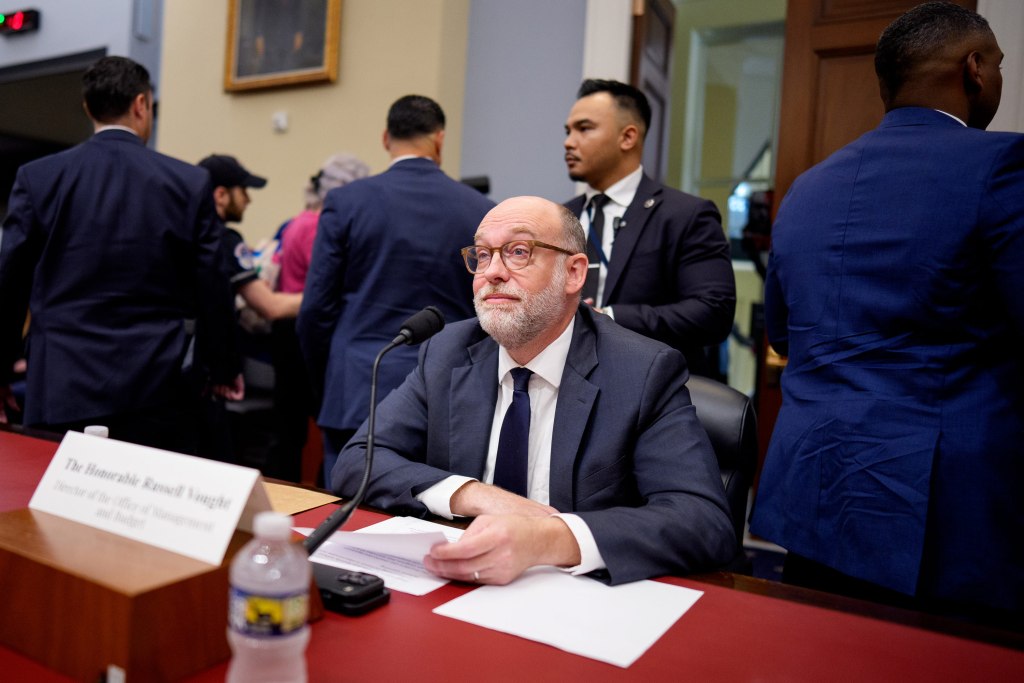
According to multiple sources familiar with federal grantmaking processes, the Office of Management and Budget (OMB) is identified as a significant bottleneck. These sources, who requested anonymity due to fear of reprisal and to avoid jeopardizing ongoing negotiations, indicated that OMB's refusal to approve Congressionally appropriated funds is a prerequisite for the Education Department to proceed with awarding education grants.
This situation is not isolated to education research. Reports suggest that OMB has also placed a hold on research funding at other major federal agencies, including the National Institutes of Health and the National Science Foundation. While some of these holds have been reversed following public pressure, the ongoing delays in education funding remain a critical concern.
The Government Accountability Office, Congress's independent watchdog, has a history of finding instances where administrations have potentially violated the Impoundment Control Act, a law mandating that the executive branch spend funds in accordance with congressional appropriations. While impoundment is not yet a formal issue at IES, the current delays raise questions about adherence to the spirit of the law.
The Race Against Time: Navigating Grant Cycles
With the fiscal year-end deadline of September 30th rapidly approaching, there are still five months remaining to develop new research plans and award grants. However, achieving this would necessitate an accelerated and highly expedited process. Historically, the IES grant process involves announcing competitions, allowing applicants several months to prepare and submit proposals, followed by a rigorous peer-review and selection process.
This established timeline, which typically spans between six and ten months from announcement to award, is one reason Congress grants IES a two-year window to spend its annual budget – an unusual provision in federal funding. The $289 million in question, appropriated in March 2025, falls under this extended timeframe, but the current delays threaten to truncate this flexibility.
Adding to the complexity, Congress has already appropriated an additional $790 million to IES for fiscal year 2026, with those funds not expiring until September 2027. However, the spending for these future funds is also reportedly behind schedule, with no research or statistics funding yet approved by OMB. This pattern suggests a systemic issue that could impact future research endeavors as well.
Impact on Ongoing Research and Future Projects
Federal research funds are not solely dedicated to launching new projects; they also provide essential support for the continuation of multi-year studies. Last year, researchers experienced delays in receiving timely payments due to similar holdups at OMB, although the funds were eventually released in September. This recurring pattern is a significant source of anxiety for the research community this year.
The potential loss of $289 million carries substantial implications. It could mean the indefinite postponement of critical studies designed to understand and address pressing educational challenges, the reduction of support for innovative pedagogical approaches, and a weakening of the evidence base that informs policy and practice across the nation. Members of Congress are actively engaging with OMB and urging researchers to apply pressure, framing this as a critical showdown with far-reaching consequences for students nationwide.
A Glimmer of Hope: The National Assessment of Educational Progress
Not all segments of the IES budget are facing similar delays. The National Assessment of Educational Progress (NAEP), often referred to as the "Nation's Report Card," has received its full congressional appropriation of $185 million and is actively in the process of utilizing these funds. This stands in contrast to other research and statistics initiatives, highlighting a potential disparity in how different IES programs are being managed or prioritized within the federal funding apparatus.
The situation underscores the intricate and often opaque nature of federal funding allocation. While Congress appropriates substantial sums with the intent of advancing education, the mechanisms for releasing and obligating those funds can create significant hurdles. The ongoing dialogue between Congress, the Department of Education, and OMB will be crucial in determining whether these millions in federal education research funds will be used to benefit students and educators, or if they will be lost to the U.S. Treasury.






 Explore AI Teaching Tools
Comments (0)
Please login to comment
No comments yet
Be the first to comment on this article