
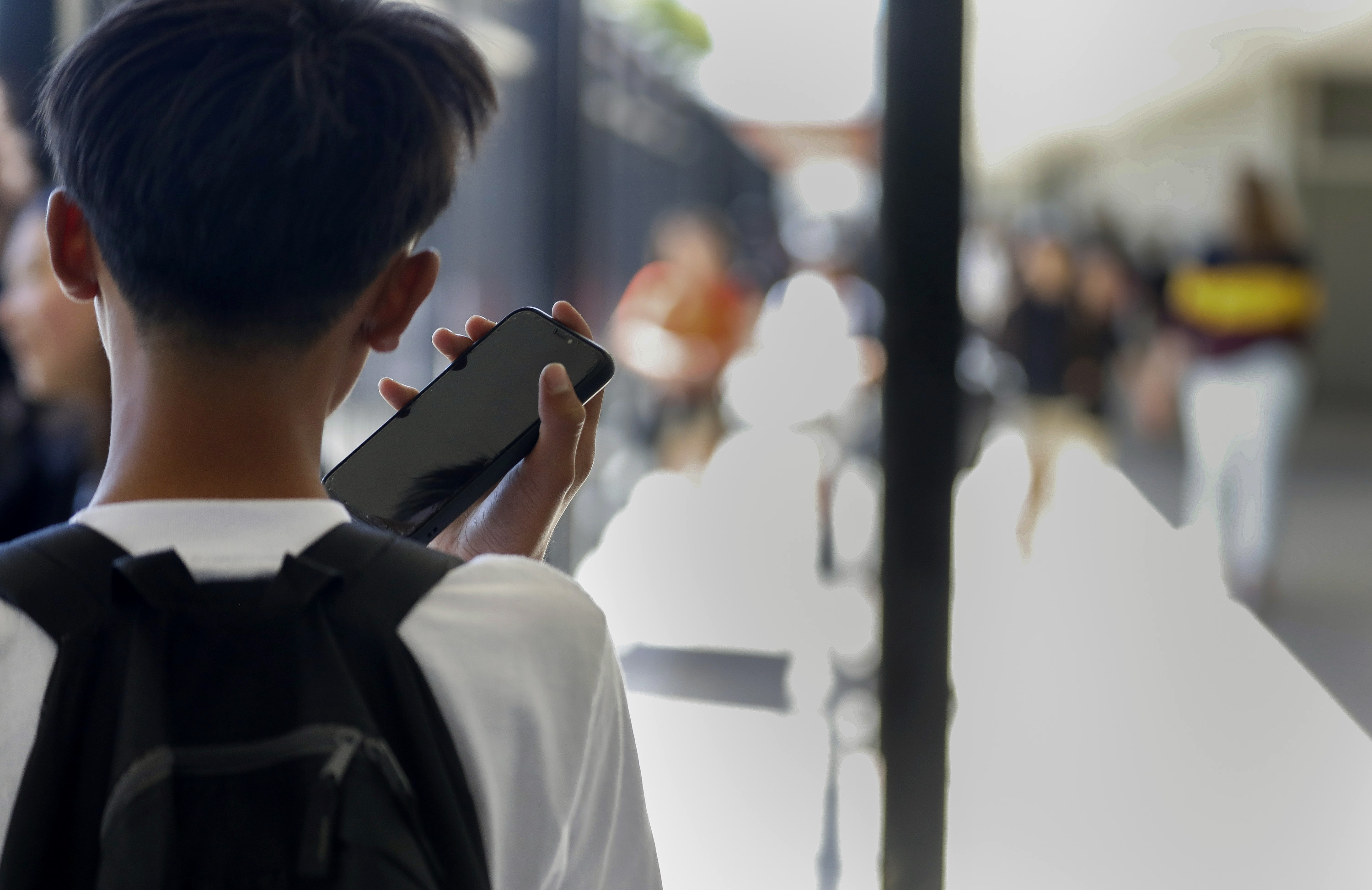
Glendale Schools at a Crossroads: The Urgent Case for a Phone-Free Learning Day
In the quiet hum of classrooms across Glendale, a silent battle is being waged for the attention of our children. While parents and educators grapple with the pervasive influence of smartphones, a growing body of evidence and a significant shift in state policy are converging, demanding a decisive move towards a phone-free school day. The question is no longer if, but how effectively Glendale Unified will implement a policy that prioritizes student well-being and academic focus.
The Shifting Sands of Policy: A State Mandate and a Neighboring District's Lessons
The landscape for mobile device policies in California schools has dramatically transformed in the past year. Glendale Unified finds itself at the forefront of this evolution, tasked with navigating a complex debate that impacts every student within its district. The urgency is amplified by recent developments that underscore the need for decisive action.
Just last year, the Glendale Unified school board received a compelling plea for a bell-to-bell ban on smartphones. Since then, the conversation has intensified, spurred by significant policy shifts at both the state and district levels. The Los Angeles Unified School District, a major neighboring entity, implemented its own comprehensive ban in February 2025, providing invaluable early lessons.
Further solidifying the momentum, Governor Gavin Newsom's Phone-Free School Act now mandates that every California school district adopt a formal policy by July 2026. This legislative push places Glendale Unified squarely in the spotlight as it actively debates revisions to its existing mobile device policy, with the board carefully considering the appropriate level of restriction.
Reclaiming Childhood: Why Individual Choice Isn't Enough
As a physician, a local health official, and a parent of a future Glendale Unified student, the accumulating evidence makes a powerful case for a comprehensive, district-wide ban on personal phones during school hours. While the idea of another policy might initially feel intrusive to families, it's crucial to examine who truly holds the reins of children's attention.
The reality is that the current environment is largely dictated by a handful of technology companies. These entities have invested heavily in engineering products specifically designed to capture and retain the developing minds of children. A bell-to-bell ban offers a rare opportunity to return that authority to parents, creating a sanctuary where the constant pull of apps and algorithms is significantly diminished.
For many parents who desire a phone-free school day for their children, achieving this goal independently has become an uphill battle. The pervasive social pressure and the deeply ingrained culture of constant connectivity make individual opt-outs nearly impossible for students. A unified district policy addresses this collective challenge, empowering every family with the environment many already wish for.
Lessons from the Frontlines: LAUSD's Experience and the Power of Enforcement
The experience of the Los Angeles Unified School District over the past year offers a crucial roadmap for Glendale Unified. Teachers in schools that have consistently enforced their phone ban report a palpable shift: calmer classrooms and a noticeable increase in face-to-face interactions among students. These are tangible benefits that directly impact the learning environment.
However, LAUSD's journey also highlights the critical importance of robust enforcement. Compliance has proven to be uneven, with students finding various ways to circumvent restrictions. Many schools within the district adopted an "honor system" approach, which, as anticipated, yielded weaker results compared to more stringent methods.
The takeaway from LAUSD's implementation is clear: vague policies lead to inconsistent outcomes. Schools that established a clear, uniform, and physically enforced boundary have demonstrated the strongest adherence to the policy. This underscores that for Glendale Unified, the devil will be in the details of implementation.
The Pitfalls of Partial Measures
When policies allow for loopholes or rely solely on student self-regulation, the intended benefits often dissipate. The allure of instant digital connection can easily override well-intentioned guidelines, especially when social dynamics are at play.
The success of a phone-free policy hinges on its ability to create a consistent experience for all students. This means moving beyond honor systems and embracing methods that physically separate students from their devices during instructional time.
Beyond the Device: Addressing the Root Causes of Anxiety
While some argue that the primary target should be social media companies rather than the phones themselves, there's a valid point to be made. California has already taken steps to address this, passing legislation that mandates default privacy settings for minors on digital platforms. The growing momentum for stronger industry regulation is encouraging, with bipartisan voices calling for accountability for the harms these products inflict on children.
However, schools cannot afford to wait for companies to voluntarily redesign their platforms. School-level phone policies and industry regulation are not mutually exclusive; they are complementary strategies that should be pursued in tandem. One addresses the immediate environment of the school, while the other tackles the broader societal impact.
The data from the Los Angeles County Health Survey, which initially prompted the call for action, remains deeply concerning. Nearly a quarter of children in Glendale reported experiencing significant anxiety, worry, or nervousness in the past year, a rate that far exceeds the countywide average. An additional 11% reported feelings of deep sadness or depression.
While precise city-level data on mental health can be elusive, the trend is undeniable. This is a reality observed daily in clinical practice, where young patients struggle with disrupted sleep, fractured attention spans, and anxiety inextricably linked to the constant urge to check their digital feeds. No single policy can eradicate all these challenges, but removing a potent stressor for seven hours a day, during the critical period of learning and development, is a profoundly meaningful step.
Forging a Path Forward: Principles for Glendale's Policy
At a November 2025 board meeting, survey results from the Glendale district revealed strong community support for a strict phone ban. Alongside this support, however, were legitimate concerns regarding emergency communication, the potential burden on teachers for enforcement, and the need for differentiated approaches based on grade level. These are valid questions that deserve thoughtful answers as the district moves towards finalizing its policy.
As Glendale Unified prepares to adopt its new mobile device policy, several key principles have emerged from the experiences of the past year and the ongoing discussions. These principles offer a clear path towards an effective and equitable solution for all students.
The Efficacy of Physical Separation
Experience has shown that physically separating students from their devices is far more effective than trust-based systems. This approach removes the temptation and the opportunity for distraction, creating a more focused learning environment.
Emergency communication needs can be seamlessly integrated into such a system. Modern technological solutions allow school staff to unlock devices within seconds, ensuring that urgent communication is not hindered by the policy. This addresses a primary concern for many parents and educators.
The Simplicity of a Unified Standard
A bell-to-bell standard offers a simpler and fairer approach than attempting to carve out permissible phone use during passing periods or lunch breaks. Such exceptions can create confusion and enforcement challenges.
This uniform approach also significantly benefits teachers. The exhausting task of constantly policing phone usage diminishes when the rule is clear and the devices are simply inaccessible during school hours. This allows educators to focus on teaching and student engagement.
Addressing High Schoolers' Needs
While high school students may appear to warrant more autonomy, the evidence supporting the restriction of their phone access during the school day is equally compelling. The developmental stage of adolescence still presents significant challenges with self-regulation regarding digital devices.
Furthermore, any phone-free policy should be complemented by a concerted effort to cultivate school environments where students genuinely feel engaged and eager to participate. The goal is not simply to remove phones, but to create a more enriching and present experience.
A Future of Focused Learning and Uninterrupted Growth
Ultimately, a phone-free school day is about more than just reducing distractions; it's about giving our children back something that has been subtly taken from them. It's about restoring their freedom to be bored, to daydream, to engage in uninterrupted conversations with peers, and to simply sit with their own thoughts for more than a fleeting moment.
This is the essence of childhood, a period meant for exploration, connection, and self-discovery, unmediated by a screen. The teachers in LAUSD are already witnessing the early signs of this return to presence. Glendale Unified now has the opportunity, armed with evidence, community support, and a clear state mandate, to implement a policy that truly prioritizes the well-being and academic success of its students.







 Explore AI Teaching Tools
Comments (0)
Please login to comment
No comments yet
Be the first to comment on this article