
Malaysia's Tech Frontier: Talent, Not Towers, is the Next Great Hurdle
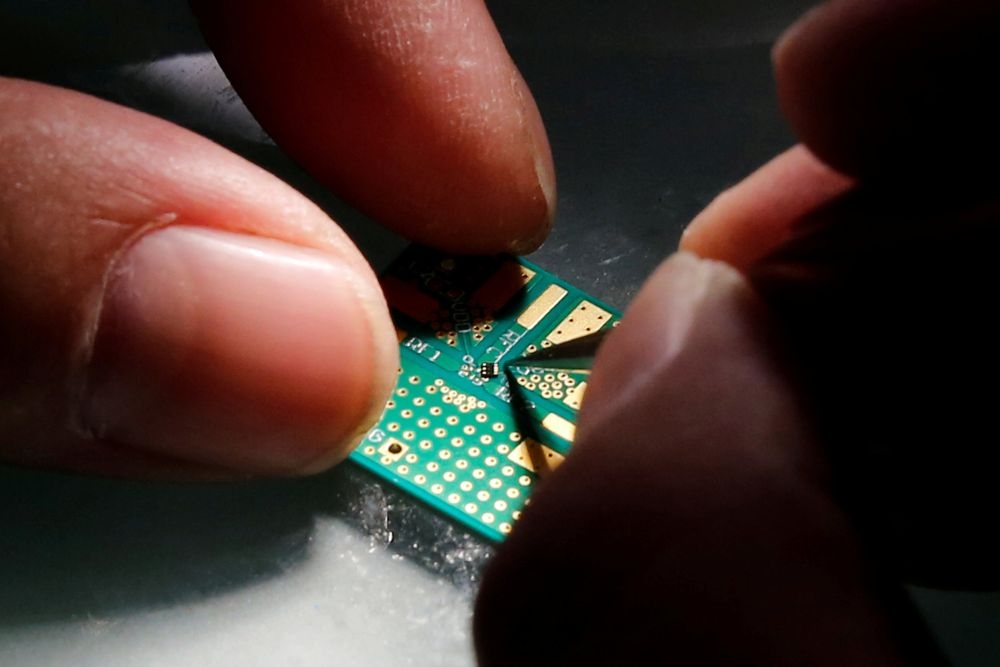
Forget gleaming new data centers and sprawling tech parks. Malaysia's ascent to becoming a global leader in technological creation hinges not on its physical infrastructure, but on a far more complex and human challenge: cultivating a deep well of local, future-ready talent. This is the stark reality emerging from the heart of the nation's science and innovation discourse.
The Shifting Sands of Technological Sovereignty
In an era defined by geopolitical flux and fragile global supply chains, the imperative for nations to achieve technological self-reliance is undeniable. Malaysia, like many, recognizes it can no longer afford to be a passive consumer of innovation. The ambition is clear: to transition from a user to a creator of cutting-edge technology.
However, the path forward is not paved with more fiber optic cables or advanced manufacturing facilities. Instead, the most significant bottleneck identified by key figures within the Ministry of Science, Technology and Innovation (MOSTI) is the development of a workforce equipped with the quality, adaptability, and sheer capability to navigate the relentless pace of global change.
Nurturing the Innovators of Tomorrow, Today
The strategy to bridge this talent gap begins at the grassroots. Datuk Ruziah Shafie, deputy secretary-general (Planning and Science Enculturation) at MOSTI, emphasizes that fostering a robust science culture and engaging in continuous outreach programs are paramount. These initiatives aim to ignite a passion for science, technology, and innovation (STI) and science, technology, engineering, and mathematics (STEM) from an early age.
The National Science Week (MSN) program stands as a cornerstone of MOSTI's efforts. It serves as a vital bridge, connecting the theoretical knowledge gained in classrooms with the practical demands of high-technology industries. The goal is to ensure that the next generation is not only academically proficient but also industry-ready.
A Nationwide Push for STEM Engagement
Launched with an ambitious target of engaging 1.15 million participants across the nation, MSN 2026 is designed to provide inclusive and impactful exposure to STI and STEM. This nationwide endeavor seeks to democratize access to scientific exploration, ensuring that opportunities are available to communities far and wide.
The selection of Seberang Perai Selatan as the host for the Northern Zone carnival was a deliberate strategic choice. Penang, a recognized high-tech hub, particularly in semiconductors and advanced packaging, provides a rich ecosystem. This is further bolstered by the proximity to the technology cluster in Kulim Hi-Tech Park, Kedah, and the burgeoning rare earth industry potential in Perak, creating a fertile ground for talent development.
Charting the Future: Priority Areas and Essential Skills
A comprehensive study, STI Foresight 2025-2040: Future of STEM Talent in Malaysia, has pinpointed ten critical areas poised to shape the future. These include:
- Artificial intelligence (AI)
- Data technologies
- Cybersecurity
- Materials science
- Advanced manufacturing
- Energy
- Environmental sustainability
- Biomedicine
- Intelligent systems
- Digital transformation
Beyond specific fields, the study also identified a suite of crucial competencies that must be cultivated. These are the foundational skills that will empower individuals to thrive in an ever-evolving landscape:
- Adaptability
- Critical thinking
- Digital literacy
- Problem-solving
- Creativity
- Communication
- Teamwork
- Ethics
- A future-oriented mindset
Hands-On Learning: The Engine of Innovation
In alignment with these findings, MOSTI's outreach initiatives are placing a significant emphasis on experiential learning. The aim is to foster a culture of innovation that permeates from primary school through secondary education. This hands-on approach encourages the practical application of scientific thinking in everyday life, making science tangible and relevant.
Exposure to emerging technologies like AI is deemed essential. The future economy will be powered by individuals who can leverage technology to boost productivity, enhance efficiency, and generate greater value. This focus is key to nurturing a generation that is not only technologically literate but also creative, ethical, and responsible in its use of innovation.
Bridging the Gap: Science Week's Impact
The two-day MSN 2026 Northern Zone carnival, a collaborative effort involving MOSTI's Rakan MySains and Tech Dome Penang, showcased a vibrant array of exhibitions, workshops, and interactive activities. These events are meticulously designed to promote a stronger culture of STI, in direct support of the National Science, Technology and Innovation Policy (NSTIP) 2021-2030.
This year's carnival also introduced a novel element: nuclear advocacy. This segment aimed to demystify nuclear technology and highlight its potential benefits to the public, further broadening the scope of scientific engagement. The event, which concluded recently, was anticipated to draw approximately 20,000 visitors, underscoring the growing public interest in science and technology.
As Malaysia looks to solidify its position as a technological powerhouse, the focus remains firmly on its people. The journey towards becoming a nation of creators is intrinsically linked to the continuous development and empowerment of its most valuable asset: its talent.





 Explore AI Teaching Tools
Comments (0)
Please login to comment
No comments yet
Be the first to comment on this article