
Malaysia Charts Bold Course: Digital Economy Poised for 30% GDP, 500,000 Jobs by 2030
In a significant stride towards a digitally empowered future, Malaysia has officially unveiled its ambitious national blueprint, Malaysia Digital 2030 (MD2030). This comprehensive action plan, spanning from 2026 to 2030, signals a pivotal pivot for the nation, aiming to transform it from a mere consumer of technology into a powerhouse of homegrown digital innovation.
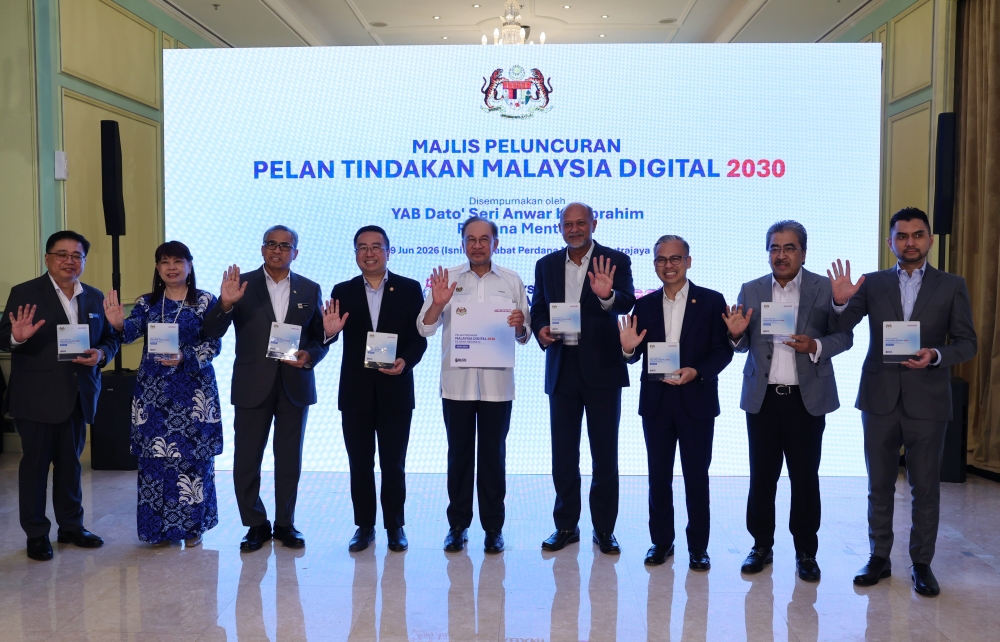
The launch event, held in Putrajaya, saw key figures from the government converge, underscoring the national importance of this initiative. The presence of the Minister of Digital, the Minister of Communications, and the Chief Secretary to the Government highlighted the cross-ministry commitment required for such a sweeping national agenda.
A New Era of Digital Ambition
MD2030 sets forth a series of formidable national objectives designed to reshape Malaysia's economic and social landscape. By the close of the decade, the nation aims for the digital economy to contribute a substantial 30 percent to its Gross Domestic Product (GDP).
This ambitious target is complemented by the creation of 500,000 high-value digital jobs, a testament to the government's focus on cultivating a skilled and future-ready workforce. Furthermore, the plan anticipates generating RM4.5 billion in savings for the public sector through widespread digitalization efforts.
Perhaps one of the most impactful goals is the aspiration to deliver 95 percent of government services fully online, from initiation to completion. This signifies a commitment to enhanced efficiency, accessibility, and citizen convenience in public service delivery.
Seven Pillars of Digital Transformation
The strategic direction of Malaysia's digital future is anchored by seven core pillars, each meticulously designed to foster a holistic and integrated approach to national development. The Ministry of Digital has been designated as the lead agency, tasked with orchestrating the nation's journey towards becoming an AI-driven society by 2030.
These pillars represent a whole-of-government strategy, ensuring that every ministry plays a crucial role in realizing the national vision. Each pillar will be spearheaded by a designated cluster head, bringing together expertise from across the government apparatus.
Pillar 1: Government Modernization
The Government pillar will focus on revolutionizing public service delivery. A key initiative under this pillar is the establishment of GovTech Malaysia, an entity dedicated to driving technological advancements within the public sector.
Pillar 2: Economic Growth and Innovation
The Economy pillar aims to elevate Malaysia's status as a premier regional hub for digital innovation and trade. This involves championing "Made by Malaysia" products and accelerating the adoption of advanced technologies in high-growth, high-value sectors.
Unlocking the immense potential of data, digital assets, and intellectual property will be a central theme. The government intends to foster an environment where Malaysian digital enterprises can thrive and compete on a global scale.
Pillar 3: Robust Digital Infrastructure
Ensuring universal access to high-quality internet connectivity across the nation is a top priority under the Infrastructure pillar. This extends to the development of sustainable digital infrastructure, including state-of-the-art data centers and advanced cloud computing solutions.
The vision also encompasses the development of smart cities, leveraging digital technologies to enhance urban living and sustainability. This foundational pillar is critical for enabling all other digital initiatives.
Pillar 4: Cultivating Digital Talent
The Talent pillar is dedicated to equipping the Malaysian workforce with the skills necessary for the digital economy. A comprehensive talent policy framework will be developed, alongside agile workforce transition initiatives.
The goal is to solidify Malaysia's position as a leading regional and global hub for digital talent. This involves continuous upskilling and reskilling programs to meet the evolving demands of the industry.
Pillar 5: Inclusive Digital Society
Under the Society pillar, the government is committed to fostering inclusive participation in the digital ecosystem. This includes institutionalizing the Malaysian Digital Inclusion Index to measure and improve access for all segments of society.
Empowering rural communities and rolling out socially impactful digital solutions are key components. The aim is to ensure that no one is left behind in the digital transformation journey.
Pillar 6: Trust and Security in the Digital Realm
The Trust and Security pillar seeks to strike a crucial balance between fostering innovation and ensuring robust digital safety. The operationalization of the National Data Commission is a significant step towards achieving this balance.
Furthermore, the development of the National Digital Trust and Data Security Strategy for 2026-2030 will provide a clear roadmap for safeguarding digital assets and citizen data. This pillar is fundamental to building confidence in Malaysia's digital future.
Pillar 7: Driving Innovation and Research
The Innovation pillar is focused on strengthening the entire pipeline from research and development to commercialization. Building a robust Research, Development, Commercialisation, Innovation, and Economy (RDCIE) ecosystem is paramount.
This will empower Malaysia to transition from being a user of digital technologies to becoming a creator and exporter of cutting-edge digital solutions. The focus is on nurturing a culture of continuous innovation.
A Collaborative National Effort
Minister of Digital, Gobind Singh Deo, emphasized that the launch of MD2030 signifies Malaysia's readiness to ascend from being a technology consumer to a respected producer of digital innovation. He highlighted the Digital Ministry's commitment to not only achieving economic targets but also ensuring the transformation is built on a foundation of trust, data security, and strong governance.
The Minister reiterated that through a whole-of-government approach, all agencies under the ministry's purview will implement the action plan in a coordinated and comprehensive manner. This collaborative spirit is essential for the plan's success.
The implementation of MD2030 will involve close collaboration with key agencies, including the National AI Office (NAIO), the National Digital Department (GovTech Malaysia), the Malaysia Digital Economy Corporation (MDEC), CyberSecurity Malaysia, MyDIGITAL Corporation, and the Malaysia Centre for the Fourth Industrial Revolution (MYCentre4IR).
This strategic action plan is poised to shape Malaysia's future as a progressive AI nation. The vision is one where artificial intelligence is seamlessly integrated across all facets of life, data is recognized as a vital national asset, and intelligent, autonomous systems become the norm. Crucially, it envisions a future where people and technology thrive in synergy.
The Madani Government remains steadfast in its commitment to ensuring that the implementation phase not only positions Malaysia as a regional digital champion but also delivers an inclusive and equitable transformation for all its citizens. This national undertaking represents a significant investment in Malaysia's future prosperity and global competitiveness.






 Explore AI Teaching Tools
Comments (0)
Please login to comment
No comments yet
Be the first to comment on this article