
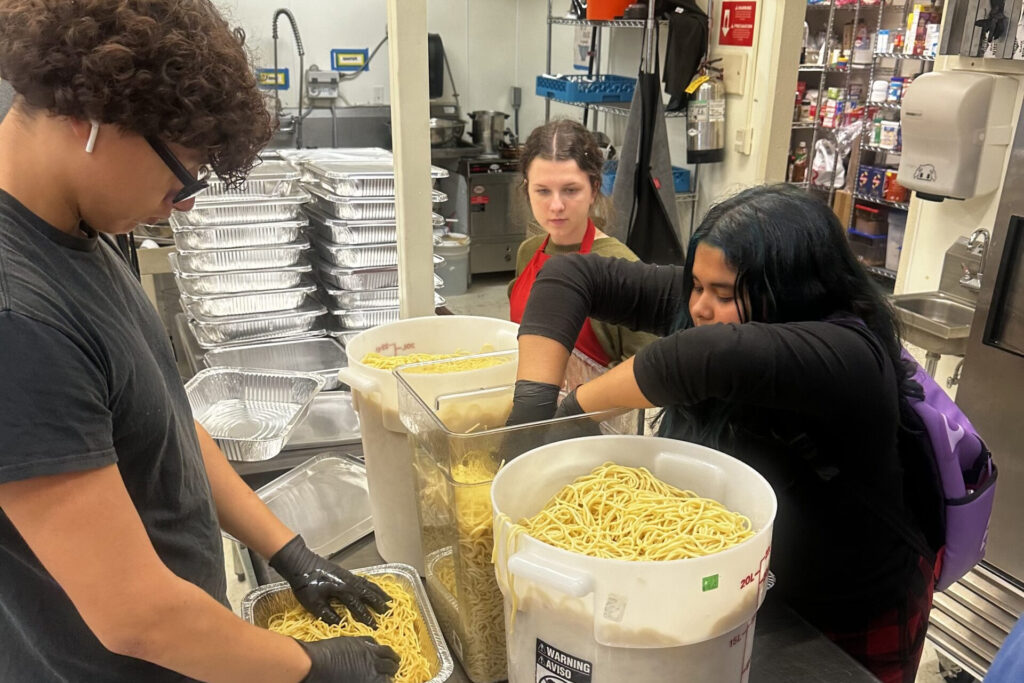
Navigating Food Insecurity in California Colleges: A Student's Guide to SNAP and Campus Resources
For many students pursuing higher education in California, balancing academic demands with basic needs like food can be a significant challenge.
This article delves into the critical issue of food insecurity among college students, focusing on the vital role of programs like CalFresh (California's SNAP) and the proactive measures campuses are taking to support their students.
Discover how to access these resources and understand the benefits they offer to ensure your academic journey is fueled by consistent nutrition.
Understanding the Landscape of Student Food Insecurity in California
Food insecurity, defined as having limited or uncertain access to adequate food, affects a substantial portion of college students across the nation, and California is no exception.
Studies indicate that a significant percentage of California's college students experience challenges in meeting their nutritional needs, impacting their ability to concentrate, learn, and thrive academically.
This situation is often exacerbated by the rising costs of living, tuition, and other educational expenses, leaving less disposable income for essential groceries.
The complexities of student life, including irregular income, demanding schedules, and limited access to affordable food options near campuses, contribute to this widespread issue.
Recognizing this, educational institutions and government programs are stepping up to provide crucial support systems.
Understanding these systems is the first step for any student facing food insecurity.
CalFresh: Your Gateway to Nutritional Support
CalFresh, California's implementation of the federal Supplemental Nutrition Assistance Program (SNAP), serves as a cornerstone of food assistance for eligible individuals and families, including college students.
This program provides monthly benefits that can be used to purchase a wide variety of food items, significantly alleviating the financial burden of groceries.
For college students, CalFresh can offer a substantial financial cushion.
Research suggests that participation in CalFresh can lead to considerable savings, freeing up funds that can be allocated towards other essential expenses like textbooks, housing, or transportation.
The amount of benefit received varies based on household income and size, but for many, it represents a critical lifeline in managing their food budget.
Eligibility and Application for CalFresh
Navigating the eligibility requirements for CalFresh is crucial for students.
While general SNAP rules apply, there are specific provisions and exemptions for college students.
Generally, students enrolled at least half-time in an institution of higher education may be eligible if they meet certain criteria, such as participating in a work-study program, having a disability, or caring for a dependent child.
Many students also qualify based on their household income, especially if they are low-income or receive certain forms of public assistance.
The application process, while sometimes perceived as complex, is designed to be accessible.
Students are encouraged to visit the official CalFresh website or contact their local county social services agency for detailed information and assistance.
Many college campuses also offer dedicated support services to help students with the application process, ensuring they can navigate the system effectively.
The Impact of CalFresh on Student Well-being
The benefits of CalFresh extend beyond mere financial relief.
Consistent access to nutritious food is directly linked to improved physical and mental health, enhanced cognitive function, and better academic performance.
Students who are not worried about their next meal are better equipped to focus on their studies, engage in campus activities, and maintain their overall well-being.
The program empowers students to make healthier food choices, contributing to a more sustainable and successful educational experience.
Campus-Based Food Assistance Programs: A Local Safety Net
Recognizing that federal aid may not always be sufficient or immediately accessible, California colleges and universities have increasingly established their own robust food assistance programs.
These initiatives range from dedicated food pantries to emergency grant programs, providing immediate and localized support to students facing food insecurity.
These campus-based resources are often the first point of contact for students in need.
They are designed to be accessible, often requiring minimal documentation and offering a welcoming environment for students to seek help.
The presence of these programs demonstrates a commitment from educational institutions to address the holistic needs of their student population.
Campus Food Pantries: Immediate Relief for Students
Food pantries located on college campuses are a vital component of the student support network.
These pantries are stocked with a variety of non-perishable food items, fresh produce, and sometimes even personal hygiene products, all available to students free of charge.
The goal is to provide immediate relief, ensuring that students have access to nutritious food when they need it most.
Many campus pantries operate on a "come as you are" basis, requiring only a student ID for access.
The availability of these resources is often bolstered by donations from local food banks, community organizations, and campus staff and students.
The operational hours and inventory can vary, so it's advisable for students to check their campus's specific pantry information.
Emergency Grants and Basic Needs Centers
Beyond food pantries, many California colleges offer emergency grants and have established basic needs centers.
These centers serve as a hub for various forms of support, including financial assistance for food, housing, and other essential living expenses.
Emergency grants can provide a one-time financial boost to help students overcome immediate crises, such as unexpected food shortages or the need to purchase groceries during benefit delays.
These grants are typically awarded based on demonstrated need and can be accessed through an application process.
The funds are often disbursed quickly, providing timely relief.
Basic needs centers also play a crucial role in connecting students with other community resources and long-term support services, offering a comprehensive approach to addressing student challenges.
Strategies for Students: Maximizing Food Security
For students navigating the complexities of college life and potential food insecurity, a proactive approach is key.
Understanding available resources and implementing smart strategies can make a significant difference in ensuring consistent access to nutritious food.
It's essential for students to be aware of their eligibility for programs like CalFresh and to actively seek out campus-based assistance.
Don't hesitate to reach out to campus support services, as they are there to help.
Taking advantage of these resources can alleviate stress and allow students to focus on their academic pursuits.
Actionable Steps for Accessing Support
Here are some practical steps students can take to enhance their food security:
- Research CalFresh Eligibility: Visit the official CalFresh website or contact your local county social services office to understand eligibility requirements and begin the application process.
- Connect with Campus Resources: Identify and familiarize yourself with your college's food pantry, basic needs center, and any available emergency grant programs.
- Seek Application Assistance: Many campuses have staff dedicated to helping students apply for CalFresh and other aid.
Don't hesitate to ask for their support.
- Build a Support Network: Talk to campus counselors, advisors, or student support staff about your challenges.
They can often provide guidance and connect you with relevant services.
- Plan Your Meals and Groceries: Even with assistance, strategic meal planning and smart grocery shopping can help stretch your budget further.
Understanding Benefit Delays and Contingency Planning
While programs like CalFresh are designed to provide consistent support, unforeseen circumstances, such as government shutdowns or administrative delays, can sometimes lead to disruptions in benefit payments.
It is crucial for students to be aware of these possibilities and to have contingency plans in place.
This might involve building a small emergency food reserve, familiarizing yourself with the operating hours and stock of campus food pantries, and knowing how to quickly access emergency grants if needed.
Proactive planning can mitigate the impact of any temporary disruptions in food assistance, ensuring that your nutritional needs are met.
Conclusion
Food insecurity is a significant hurdle for many students in California's higher education system.
However, a robust network of support exists, spearheaded by vital programs like CalFresh and complemented by dedicated campus initiatives.
By understanding their eligibility for CalFresh and actively engaging with campus food pantries, basic needs centers, and emergency grants, students can secure consistent access to nutritious food.
Mentofy is committed to empowering learners with the knowledge and resources they need to overcome challenges and achieve their academic goals.
Taking proactive steps to address food security is an investment in your academic success and overall well-being.







 Explore AI Teaching Tools
Comments (0)
Please login to comment
No comments yet
Be the first to comment on this article