
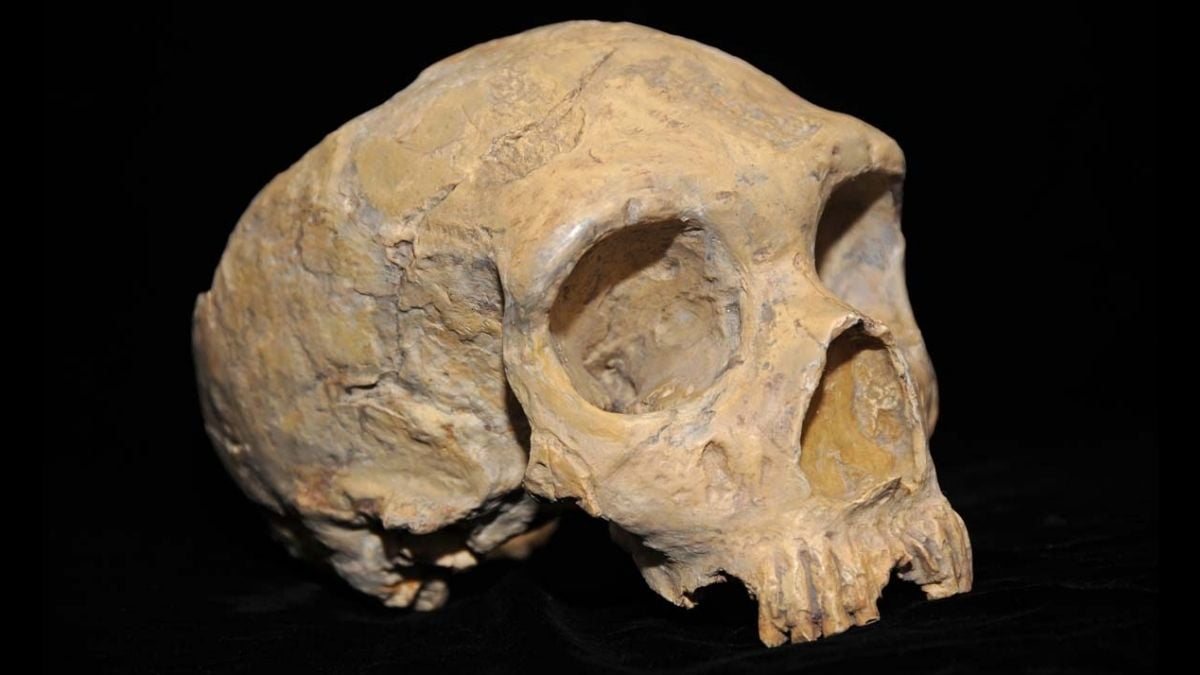
A recent breakthrough in paleogenetics, analyzing the DNA of the last Neanderthals, reveals a surprising genetic legacy that challenges long-held assumptions about our ancient relatives. This discovery has profound implications for educators, forcing a re-evaluation of how we teach human evolution and the complex relationships between early hominin species.
The Genetic Echoes of Ancient Encounters
For decades, the narrative surrounding Neanderthals has often painted them as a distinct, ultimately doomed, evolutionary branch. However, new research, published in a leading scientific journal, has unearthed compelling evidence of extensive interbreeding between Neanderthals and early *Homo sapiens*.
The analysis of ancient DNA, particularly from individuals living in the twilight of Neanderthal existence, shows a far greater genetic contribution than previously understood. This isn't just a footnote; it's a major revision of the evolutionary story we tell our students.
“The genetic landscape of the last Neanderthals reveals a complex tapestry of gene flow, suggesting a more integrated past than we ever imagined.”
This genetic surprise means that many modern human populations outside of Africa carry a Neanderthal genetic signature. This challenges the idea of a clean separation and highlights the dynamic, interconnected nature of human migration and interaction.
Rethinking the Neanderthal Story for the Classroom
The traditional approach to teaching human evolution often presents a linear progression, with Neanderthals as a separate, less successful species that eventually disappeared. This new genetic data demands a more nuanced perspective.
Educators now have an opportunity to explore themes of adaptation, survival, and the very definition of what it means to be human. The concept of “us” versus “them” becomes blurred, replaced by a more intricate understanding of shared ancestry and evolutionary partnerships.
A key takeaway for teachers is the importance of emphasizing that evolution is not always about replacement, but often about integration and adaptation through interaction. This genetic revelation is a powerful tool for sparking curiosity and critical thinking about our deep past.
The "Surprise" in Neanderthal DNA: What It Means
The most significant finding is the extent of admixture. It’s not just a trace; it’s a substantial genetic contribution that has persisted for tens of thousands of years. This genetic legacy may even influence traits in modern humans, from immune responses to physical characteristics.
This discovery is a testament to the power of scientific inquiry and the ability of new technologies to unlock ancient secrets. It’s a reminder that our understanding of the past is constantly evolving, and that definitive answers are often just the beginning of a new set of questions.
This genetic continuity is a major challenge to older theories that posited complete Neanderthal extinction without significant assimilation. The implications for understanding human resilience and adaptability are profound.
Tools for Teaching Evolving Narratives
Integrating these complex scientific findings into engaging lessons requires innovative pedagogical approaches. Traditional lectures may not suffice when dealing with such dynamic and surprising information.
Consider how to present this information in a way that sparks student interest. Interactive activities and visual aids can be invaluable in helping students grasp the intricate details of genetic inheritance and evolutionary timelines.
For educators looking to bring these ancient stories to life, MentofyCove classroom games offer a dynamic way to engage students with concepts of lineage and ancestry. Imagine a live quiz testing knowledge of hominin species or a word search game highlighting key terms in evolutionary biology.
The challenge for teachers is to translate this cutting-edge science into accessible and memorable learning experiences. This often means moving beyond rote memorization to foster a deeper conceptual understanding.
Leveraging Technology for Deeper Learning
The modern educator has a wealth of digital tools at their disposal to tackle these complex topics. From crafting engaging presentations to facilitating collaborative learning, technology can be a powerful ally.
For instance, developing an AI lesson plan that incorporates the latest findings on Neanderthal genetics can save valuable preparation time. Tools like Mentofy AI teaching tools can assist in generating diverse question types for assessments, ensuring comprehensive coverage of the material.
Furthermore, understanding the social dynamics of early human groups can be enhanced through activities that promote collaboration. Tools for student grouping, such as those found in MentofyGroups, can help create dynamic learning environments where students can discuss and debate these fascinating evolutionary discoveries.
Even visual aids on an interactive board can be transformed. Imagine a timeline that dynamically updates with new discoveries or a map showing the migratory paths and interbreeding zones of early hominins.
The Lasting Impact of Ancient DNA
The study of the last Neanderthals’ DNA is more than just an academic exercise; it’s a narrative that reshapes our understanding of human origins. It underscores that our history is not one of isolation but of connection, adaptation, and shared biological journeys.
This genetic surprise serves as a powerful reminder that the story of humanity is still being written, and that the echoes of our ancient past continue to resonate within us. Educators have a unique opportunity to guide students through this evolving narrative, fostering a deeper appreciation for the complexity and wonder of human evolution.
The insights gleaned from this ancient DNA analysis offer a crucial perspective on the interconnectedness of life and the surprising ways our genetic heritage connects us to even our most distant relatives. This is a story that continues to unfold, promising further revelations about the journey that led us to where we are today.







 Explore AI Teaching Tools
Comments (0)
Please login to comment
No comments yet
Be the first to comment on this article