
Navigating Measles: Why California's Declining Vaccination Rates Matter for Global Health
The resurgence of highly contagious diseases like measles is a stark reminder of the critical importance of widespread immunization.In California, a concerning trend of falling childhood vaccination rates is raising alarms, particularly as outbreaks spread.
This article delves into the factors contributing to this decline, the potential consequences for public health, and the vital role of education in rebuilding trust and protecting communities.
Understanding these dynamics is crucial for parents, educators, and health professionals worldwide.
Understanding the Measles Threat and Herd Immunity
Measles, a virus that spreads with remarkable ease, can have severe health implications.Before the widespread availability of vaccines, it was a common childhood illness, often leading to serious complications and even death.
The primary defense against such diseases lies in achieving and maintaining "herd immunity." This concept describes a level of community protection where a sufficient percentage of the population is immune, making it difficult for a disease to spread and protecting vulnerable individuals who cannot be vaccinated.
What is Herd Immunity?
Herd immunity is not about individual protection alone; it's a collective shield.When a high proportion of people have been vaccinated, the chain of transmission is broken.
This is particularly vital for:
- Infants too young to receive the vaccine.
- Individuals with compromised immune systems due to medical conditions or treatments.
- People who cannot be vaccinated for legitimate medical reasons.
The Measles Virus: A Highly Contagious Enemy
The measles virus is exceptionally contagious.It can remain infectious in the air and on surfaces for up to two hours after an infected person has left the area.
This means that a single infected individual can potentially expose many others in a shared space, such as a classroom or public gathering.
Symptoms typically include a high fever, cough, runny nose, red and watery eyes, followed by a characteristic rash.
While many recover, severe complications like pneumonia, encephalitis (brain swelling), and even death can occur.
California's Shifting Vaccination Landscape
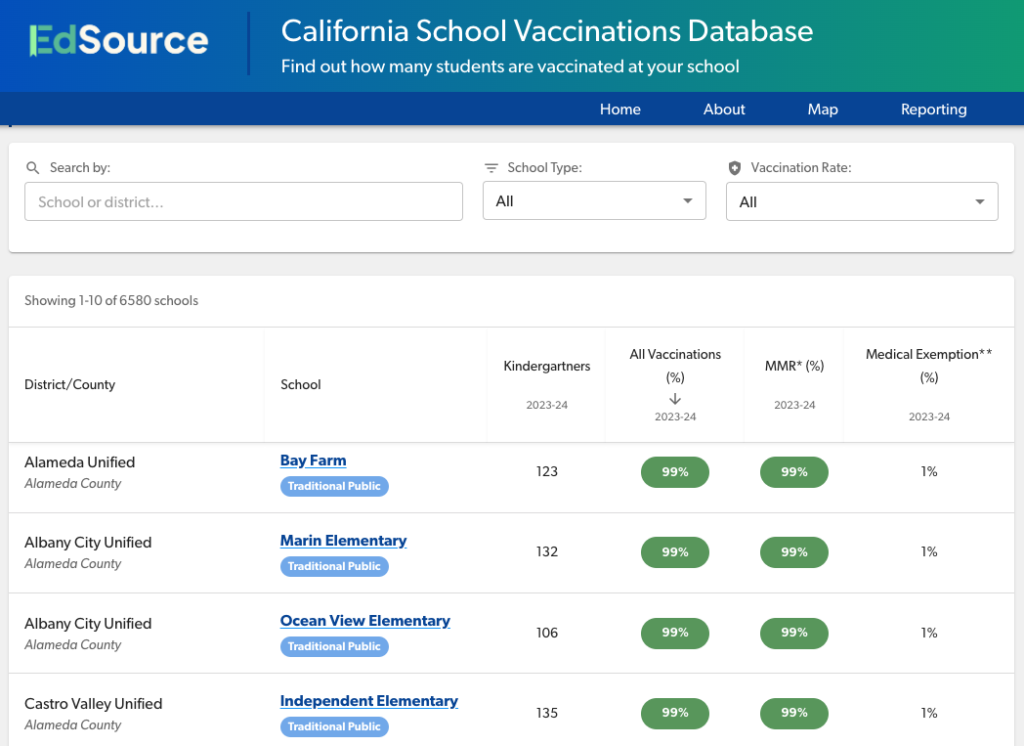
Recent data from California indicates a troubling dip in vaccination rates among young children, particularly kindergartners.This decline has led to several counties falling below the critical threshold for herd immunity against measles.
This trend is not isolated and reflects broader societal shifts in trust and perception.
Declining Immunization Rates: The Numbers
Studies indicate that the percentage of California kindergartners fully vaccinated against measles has seen a slight decrease.While overall rates remain relatively high compared to national averages, the drop is significant enough to jeopardize community protection.
This means that a larger proportion of the population is susceptible, increasing the risk of outbreaks.
Factors Fueling Vaccine Hesitancy
Several interconnected factors are believed to be contributing to this decline in vaccine confidence:- Erosion of Trust: The COVID-19 pandemic and the public health responses it necessitated have, for some people, led to a questioning of established health institutions and scientific guidance.
Perceived inconsistencies or evolving recommendations during that period have fostered skepticism.
- Information Overload and Misinformation: The digital age provides unprecedented access to information, but it also amplifies the spread of misinformation and conspiracy theories regarding vaccines.
This can create confusion and fear among parents.
- Political Polarization: Discussions around public health measures, including vaccinations, have become increasingly politicized.
This can lead individuals to adopt stances based on political affiliation rather than scientific consensus.
- Personal Experiences and Anecdotes: Negative personal experiences or hearing anecdotal stories of adverse reactions, even if rare or unrelated, can significantly influence an individual's decision-making regarding vaccines.
Geographic Hotspots and School Variations
The decline in vaccination rates is not uniform across California.Certain counties, particularly in Northern California, have reported significantly lower immunization levels.
Furthermore, research suggests that charter schools, in some instances, have exhibited lower vaccination rates compared to traditional public schools.
This may be due to differing enrollment and enforcement policies that can make it more challenging to ensure compliance with vaccination mandates.
The Far-Reaching Consequences of Declining Immunity
The implications of falling vaccination rates extend far beyond individual health.They pose a significant threat to community well-being, public health infrastructure, and economic stability.
Increased Risk of Outbreaks
When herd immunity weakens, the risk of infectious diseases like measles re-emerging and spreading rapidly increases.This can lead to:
- Widespread Illness: Outbreaks can affect large numbers of people, overwhelming healthcare systems.
- Severe Health Complications: As noted, measles can lead to serious complications, including pneumonia and encephalitis, particularly in vulnerable populations.
- Tragic Loss of Life: Despite being preventable, measles can be fatal.
The re-emergence of this disease underscores the preventable nature of such tragedies.
Impact on Vulnerable Populations
The decline in herd immunity disproportionately affects those who cannot be vaccinated.These individuals rely on the immunity of the community around them for protection.
A rise in measles cases puts them at a significantly higher risk of contracting a potentially devastating illness.
Strain on Healthcare Systems
Managing outbreaks of highly contagious diseases places an immense burden on healthcare providers and facilities.This includes increased demand for hospital beds, specialized care, and public health resources, diverting attention and funding from other critical health initiatives.
Disruption to Education and Childcare
Schools and childcare centers are particularly vulnerable to measles outbreaks due to the close proximity of children.An outbreak can lead to temporary closures, disrupting children's education and causing significant challenges for working parents.
This has a ripple effect on the broader economy.
Strategies for Rebuilding Trust and Promoting Vaccination
Addressing the decline in vaccination rates requires a multifaceted approach focused on education, empathy, and evidence-based communication.The Power of Clear and Consistent Communication
Health professionals and educators have a crucial role in providing accurate, accessible, and trustworthy information about vaccines.This involves:
- Emphasizing Scientific Consensus: Clearly communicating that vaccines are rigorously tested, safe, and effective, backed by decades of scientific research.
- Addressing Concerns with Empathy: Listening to parents' concerns without judgment and responding with understanding and respect.
Acknowledging their desire to protect their children is paramount.
- Using Plain Language: Explaining complex scientific concepts in a way that is easy for everyone to understand, avoiding jargon.
- Highlighting Benefits: Focusing on the life-saving benefits of vaccines and the protection they offer to individuals and the community.
Educational Initiatives for Parents and Communities
Mentofy, as a global learning platform, is dedicated to empowering individuals with knowledge.Educational initiatives can play a vital role in:
- Providing Reliable Resources: Offering curated content that explains vaccine science, addresses common myths, and highlights the history of successful vaccination campaigns.
- Facilitating Dialogue: Creating safe spaces for open discussions about vaccines, where experts can answer questions and address misinformation.
- Sharing Success Stories: Showcasing how vaccines have eradicated or significantly reduced the incidence of devastating diseases, improving global health outcomes.
- Targeted Outreach: Developing educational materials and programs tailored to specific communities, addressing their unique concerns and cultural contexts.
The Role of Healthcare Providers
Doctors, nurses, and other healthcare professionals are often the most trusted sources of health information for families.They can:
- Engage in Proactive Conversations: Discussing vaccination schedules and the importance of immunization during routine check-ups.
- Address Hesitancy Directly: Gently probing for concerns and providing evidence-based answers in a non-confrontational manner.
- Build Rapport: Establishing strong, trusting relationships with patients and their families, which can make them more receptive to medical advice.
Leveraging Technology for Education
Digital platforms can be powerful tools for disseminating accurate information about vaccines.This includes:
- Interactive Learning Modules: Developing engaging online courses that explain vaccine science, the immune system, and the impact of immunization.
- Expert Q&A Sessions: Hosting live online sessions where leading health experts answer questions from the public.
- Data Visualization: Presenting vaccination rates and outbreak data in clear, understandable formats to illustrate the importance of community immunity.
Conclusion
The declining vaccination rates in California, and the potential for resurgent measles outbreaks, serve as a critical global health alert.Protecting our communities from preventable diseases requires a renewed commitment to science, trust, and education.
By understanding the threat of measles, the principles of herd immunity, and the factors influencing vaccine hesitancy, we can work together to rebuild confidence and ensure that future generations are safeguarded.
Mentofy is committed to providing the educational resources necessary to foster informed decision-making and promote a healthier world for everyone.
The health of our children, and indeed our entire society, depends on it.





 Explore AI Teaching Tools
Comments (0)
Please login to comment
No comments yet
Be the first to comment on this article