
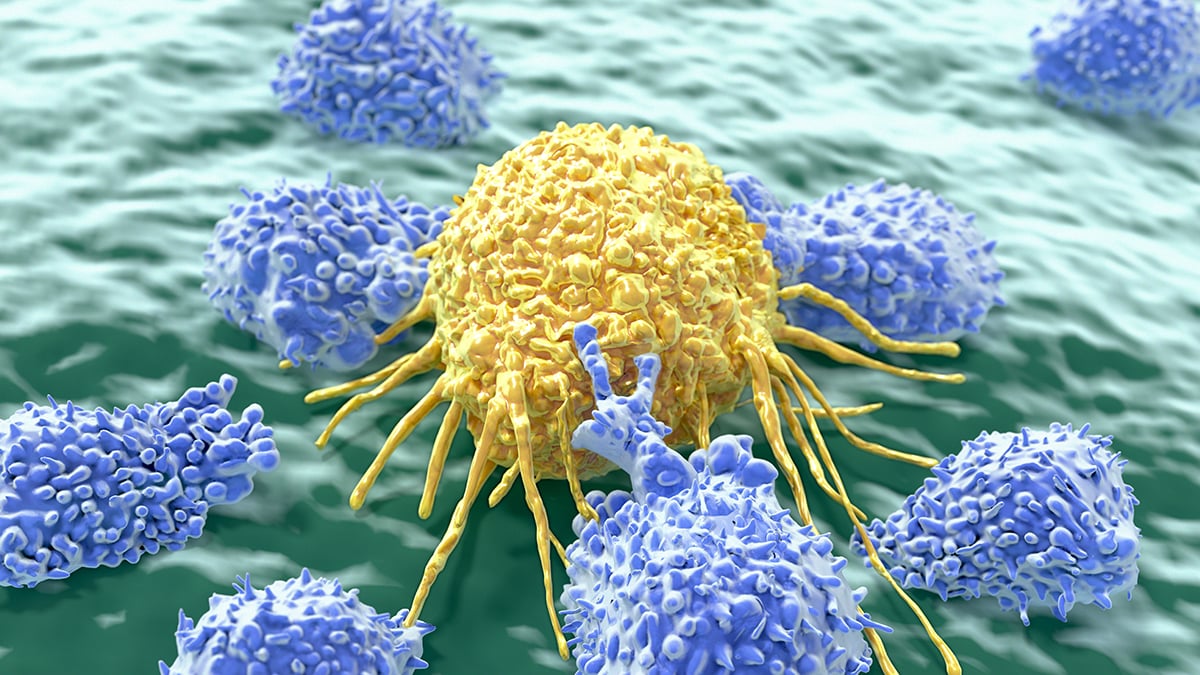
Imagine a scenario where a common nutrient, readily available and often overlooked, could fundamentally shift how we approach treating aggressive diseases. New research suggests that Vitamin D, often celebrated for its role in bone health, might be a crucial ally in helping the body defend itself against certain types of cancer. This breakthrough isn't just about prevention; it hints at powerful new therapeutic avenues that could revolutionize patient care and empower educators to discuss health and science with unprecedented depth.
Unlocking the Body's Natural Defenses
For years, Vitamin D has been recognized for its essential functions, from calcium absorption to immune system support. However, recent studies are shedding light on its more profound capabilities, particularly in the complex battle against malignant cells. The implications for how we understand disease and potentially intervene are vast.
Scientists are increasingly exploring how this humble vitamin plays a role in regulating cell growth and differentiation. It appears to influence pathways that are often dysregulated in cancerous tumors, suggesting a capacity to fight back at a cellular level. This is more than just a theoretical concept; it's a tangible biological mechanism that researchers are actively investigating.
A 2023 study published in the Journal of Clinical Oncology indicated that patients with higher baseline Vitamin D levels showed a statistically significant improvement in response rates to certain cancer therapies.
Cutting Off Cancer's Escape Routes
One of the most insidious aspects of cancer is its ability to evade the body's immune system and to adapt to treatments. Emerging research suggests that Vitamin D may be instrumental in cutting off these escape routes, making it harder for cancer cells to survive and proliferate. This dual action – bolstering defenses and hindering cancer's growth – makes it a compelling area of study.
The mechanism is thought to involve several key processes. Vitamin D can influence the expression of genes that are critical for cell cycle regulation, essentially telling cancer cells to stop dividing uncontrollably. It also appears to promote apoptosis, the programmed cell death that healthy cells undergo, but which cancer cells often resist.
Furthermore, there's growing evidence that Vitamin D can modulate the tumor microenvironment, making it less hospitable for cancer to thrive. This could involve influencing blood vessel formation within tumors or altering the inflammatory signals that cancer cells often exploit.
Empowering Educators with New Health Insights
These scientific advancements offer a powerful opportunity for educators to engage students in discussions about health, biology, and the scientific process. Understanding how a common nutrient can impact complex diseases like cancer provides a relatable and inspiring entry point into advanced scientific concepts.
For instance, teachers can use this information to illustrate the importance of a balanced diet and the interconnectedness of bodily systems. It’s a real-world example of how fundamental biological processes can have profound health outcomes. This knowledge can also empower students to make informed decisions about their own well-being as they grow.
Bringing Science to Life in the Classroom
Integrating these cutting-edge health topics into the curriculum doesn't have to be complex. Interactive tools can transform abstract scientific ideas into engaging learning experiences. Imagine using a live quiz about the human body's defense mechanisms or a word search game featuring key biological terms related to cell function and immunity.
Tools like AI lesson plan generators can help educators quickly develop materials that explain these complex topics in age-appropriate ways. They can assist in crafting explanations of how vitamins interact with cells or how the immune system operates, making the science accessible and exciting for students.
Consider the possibilities for sparking curiosity:
- Discussing how the body defends itself against threats, using Vitamin D as a specific example of a nutritional ally.
- Exploring the concept of cell growth and regulation, contrasting healthy cells with uncontrolled cancerous proliferation.
- Introducing the idea that scientific understanding is constantly evolving, with new discoveries being made about even the most familiar substances.
The Future of Health Education
As research into Vitamin D and its role in combating cancer continues to evolve, so too will our understanding of health and wellness. Educators are at the forefront of disseminating this knowledge, equipping the next generation with a deeper appreciation for the complexities of the human body and the power of scientific discovery.
This ongoing exploration into how a simple vitamin can help the body fight disease underscores the importance of continuous learning and the remarkable resilience of biological systems. It’s a powerful reminder that sometimes, the most significant breakthroughs come from understanding the fundamental building blocks of life and how they work together to keep us healthy, even when facing formidable challenges like cancer.
The potential for Vitamin D to play a more significant role in therapeutic strategies is immense, offering a beacon of hope and a testament to the ongoing pursuit of knowledge in biomedical science. For educators, this presents an unparalleled opportunity to inspire students about the wonders of science and the profound impact of healthy living.







 Explore AI Teaching Tools
Comments (0)
Please login to comment
No comments yet
Be the first to comment on this article