
Rising Tides, Urgent Need: Universities Forge New Frontiers in Ocean and Environmental Science
The planet's oceans are sending an undeniable message: sea levels have accelerated their climb, doubling their pace since the early 1990s. This isn't a distant threat; it's a present reality impacting millions, from the floodplains of Bangladesh to the vital fisheries of West Africa. As coastal erosion outpaces even grim projections, the demand for experts who can translate complex environmental data into actionable policy has never been more critical. This is the urgent call to arms that leading Ocean and Environmental Sciences programs are answering, cultivating the next generation of scientists equipped to confront these monumental challenges.
Where the Land Meets the Water: Louisiana's Living Laboratory
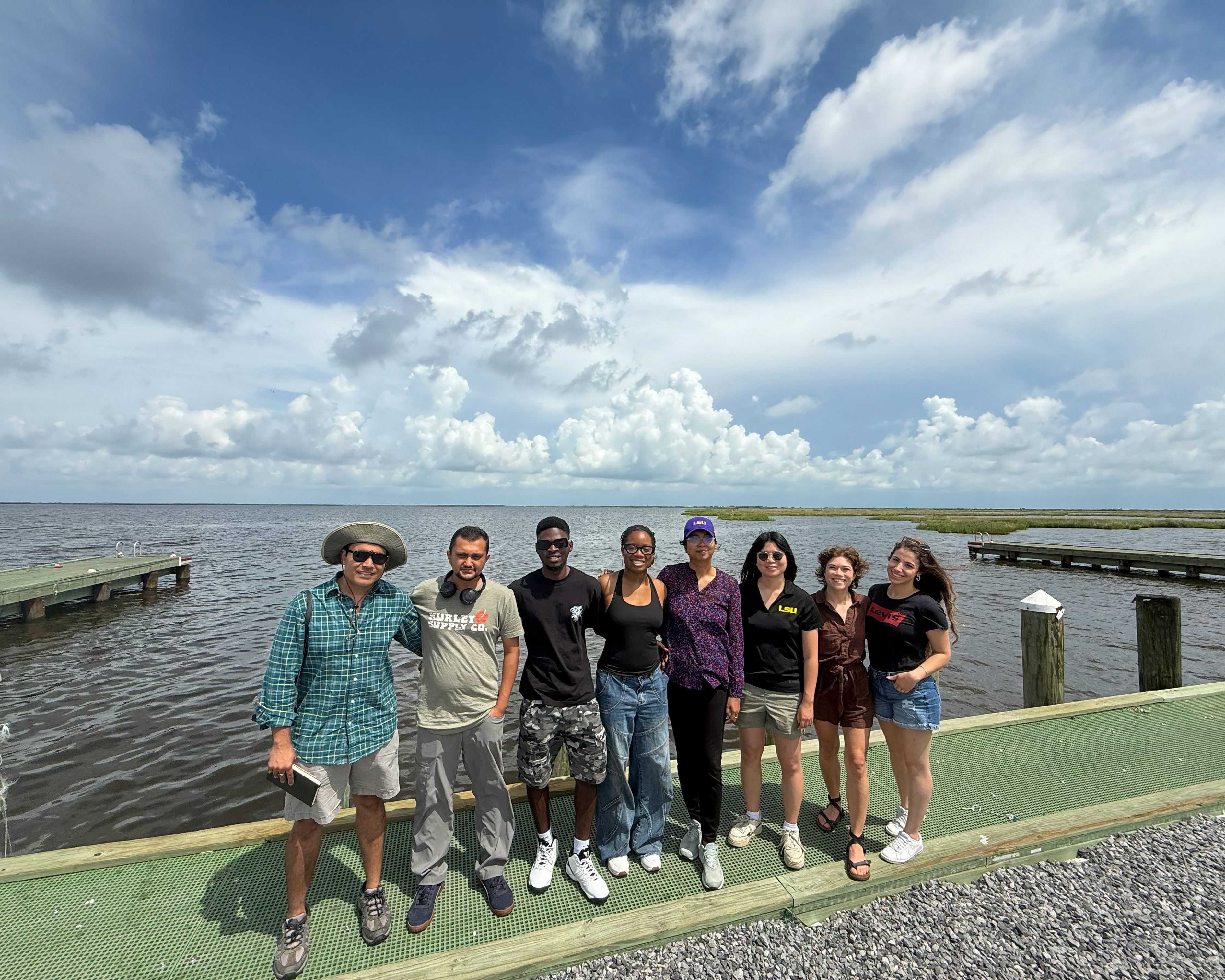
Nestled near the mighty Mississippi River and its vast delta, Louisiana State University's College of the Coast & Environment (CC&E) stands at the epicenter of one of North America's most profound environmental dramas. Louisiana is losing its coastline at a rate unparalleled in the contiguous United States, a stark reality that makes CC&E's location both a strategic imperative and a potent symbol.
A Shrinking Shoreline, A Growing Mission
Since the 1930s, Louisiana has witnessed the disappearance of over 5,000 square kilometers of its land. This relentless erosion is a dual assault of sinking land and rising seas, a crisis exacerbated by the Mississippi River's diminished capacity to deliver life-sustaining sediment. For students at CC&E, this environmental crisis is not an abstract concept; it's a visible, tangible landscape that shapes their academic journey.
The college immerses students directly in this dynamic environment, seamlessly blending rigorous fieldwork with comprehensive coursework. Programs span critical areas like Coastal Meteorology, Environmental Sciences, and Oceanography & Coastal Sciences, with specialized tracks in Environmental Health and Environmental Law. This interdisciplinary approach ensures graduates are prepared to address the multifaceted nature of coastal degradation.
A Hub of Deltaic Innovation
Baton Rouge has emerged as a vital nexus, drawing scientists and engineers from around the globe to collaborate on solutions for deltaic resilience. CC&E's research directly fuels these collaborative efforts, contributing to a deep well of expertise. With over 200 LSU faculty dedicated to coastal research, the university boasts the most significant concentration of coast and environment specialists along the northern Gulf Coast.
The state's coastline is intrinsically woven into its identity, underpinning its fisheries, cultural heritage, public health, and economic stability. Recognizing this, CC&E has risen to the challenge, fostering a curriculum that transforms students into adept researchers. Graduates are trained to think critically across disciplines, integrating natural science foundations with environmental policy and applied research methodologies.
For those with a keen curiosity, a solid grounding in mathematics and science, and a genuine commitment to the future of coastal communities, CC&E offers an education of profound significance—one that empowers individuals to make a tangible difference in the world.
Maine's Maritime Mastery: Cultivating Ocean Guardians
In the picturesque setting of Orono, alongside the Penobscot River, The University of Maine's School of Marine Sciences stands as the state's preeminent institution for marine research, education, and public service. With a faculty of over 30 dedicated experts, it holds the distinction of being the largest concentration of marine scientific expertise within the state, offering programs consistently ranked among the nation's best.
Research That Navigates the Depths
The research conducted here is as expansive as the expertise it encompasses. Faculty engage in investigations spanning molecular biology, fisheries economics, coastal engineering, aquaculture, and oceanography. Their work frequently extends beyond marine systems, forging crucial collaborations with freshwater and terrestrial scientists, with projects reaching as far as Chile and China.
Graduate students at the School of Marine Sciences often find themselves charting new academic territories. Rather than fitting into pre-established molds, they frequently assemble interdisciplinary supervisory committees, bridging disparate fields and blurring the lines between cutting-edge research and pedagogical innovation.
From Aquaculture to Oceanography: A Spectrum of Study
Undergraduate students can pursue a Bachelor of Science in Marine Sciences, with specialized tracks in aquaculture, marine biology, or physical ocean sciences. At the graduate level, offerings include advanced degrees in Marine Biology and Oceanography. Both pathways are designed to produce researchers and practitioners capable of navigating the full complexity of marine and coastal ecosystems.
The impact of this education is already evident. Some graduates have pioneered novel methods for tracking harmful algal blooms that threaten vital shellfish industries. Others are actively engaged in long-term monitoring of bluefin tuna populations in the Gulf of Maine, research that holds direct implications for the sustainability of commercial fishing and the long-term health of the northeastern seaboard.
Oregon's Oceanic Odyssey: Exploring Earth's Interconnected Systems
The College of Earth, Ocean, and Atmospheric Sciences (CEOAS) at Oregon State University is a dynamic nexus of pioneering research and comprehensive education, driving discovery across a vast spectrum of Earth's systems. From the deepest ocean trenches to the highest mountain peaks, and from sophisticated laboratories to global communities, CEOAS is at the vanguard of scientific exploration.
Frontiers of Discovery, From Pole to Pole
Scientists and students at CEOAS are united by a profound commitment to understanding Earth's intricate systems. Their work spans cutting-edge laboratory research, extensive fieldwork, and direct engagement with communities that benefit from their findings. The college plays a pivotal role in preparing society for future challenges, undertaking ambitious projects such as the development of new vessels for academic research and detailed studies on the potential impacts of a major earthquake in the Pacific Northwest.
CEOAS is actively collaborating with coastal communities to enhance their preparedness for natural hazards. Simultaneously, the college is contributing to national energy independence through the development of innovative wave energy devices. This blend of fundamental research and applied solutions underscores their commitment to a sustainable future.
A Comprehensive Approach to Earth Sciences
Beyond their groundbreaking research, CEOAS is deeply invested in the educational journey of its students. The college hosts Oregon's sole comprehensive programs in oceanographic and atmospheric research, providing top-tier instruction in geology, geography, geospatial studies, environmental sciences, and marine resource management. Students are encouraged to actively participate in research that yields real-world impact.
Whether collecting ice cores in the stark beauty of Antarctica or developing sustainable practices for local fishing communities, students gain invaluable hands-on experience. This practical engagement prepares them for a diverse array of career paths, equipping them with the skills and knowledge to address pressing global issues. CEOAS fosters a community dedicated to advancing our understanding of Earth and its interconnected systems, translating scientific rigor into tangible benefits for society today and for generations to come.





 Explore AI Teaching Tools
Comments (0)
Please login to comment
No comments yet
Be the first to comment on this article