
Investing in Our Future: How School Districts Fund Essential Upgrades Through Bonds
The foundation of a thriving educational system lies not only in exceptional teaching and curriculum but also in the physical spaces where learning happens.Across the nation, numerous school districts are facing the critical challenge of maintaining and modernizing their facilities.
This often necessitates seeking voter approval for bond measures, a vital mechanism for funding essential renovations, new construction, and technological advancements.
This article delves into the pressing needs of school districts and explores how bond initiatives, like those recently placed before voters, aim to provide students with the safe, modern, and inspiring learning environments they deserve.
We will examine the diverse priorities of different districts, from addressing sweltering classrooms to creating cutting-edge career exploration spaces, highlighting the shared urgency to improve educational infrastructure for all students.
The Growing Need for School Facility Modernization
Across the country, a significant number of school buildings are aging, presenting a growing list of challenges for educators and students alike.These issues are compounded by evolving educational needs and environmental factors.
Many facilities were constructed decades ago, and their original designs often fail to meet the demands of 21st-century learning.
This includes a lack of adequate space for collaborative projects, insufficient technological infrastructure, and outdated safety features.
Furthermore, climate change is increasingly impacting school environments.
Extreme heat can render classrooms unbearable without proper air conditioning, while severe weather events can exacerbate existing structural problems like leaky roofs.
The health and safety of students are paramount, and outdated facilities can pose significant risks, from poor air quality to compromised building integrity.
Studies indicate that the condition of school buildings can directly affect student health, attendance, and academic performance.
When students are comfortable and safe, they are better positioned to focus on their studies and engage fully in the learning process.
Addressing Immediate and Long-Term Facility Deficiencies
The list of necessary improvements for school buildings is extensive and varied.For many districts, immediate priorities include: * **Climate Control:** Ensuring classrooms are adequately heated and cooled is crucial for student comfort and concentration.
Many older schools lack reliable air conditioning, leading to uncomfortable learning conditions during hot months. * **Structural Repairs:** Leaky roofs, deteriorating walls, and compromised plumbing are common issues in older school buildings.
These problems not only create disruptive learning environments but can also lead to further damage and costly repairs if not addressed promptly. * **Safety and Security Enhancements:** Modern security measures, such as improved door locks, alarm systems, and surveillance cameras, are increasingly vital for ensuring the safety of students and staff. * **Modern Learning Spaces:** The evolution of educational pedagogy requires flexible and technologically equipped learning environments.
This includes updating science labs, creating dedicated spaces for career technical education, and providing areas for arts and music programs. * **Accessibility and Health:** Ensuring all facilities are accessible to students with disabilities and providing safe drinking water are fundamental requirements for any school.
Case Studies: Districts Investing in Their Students' Futures
To understand the tangible impact of bond measures, let's explore the specific needs and proposed solutions of two diverse school districts.These examples illustrate the varied challenges faced by school communities and the strategic approaches being taken to address them.
San Juan Unified School District: A Comprehensive Approach to Renewal
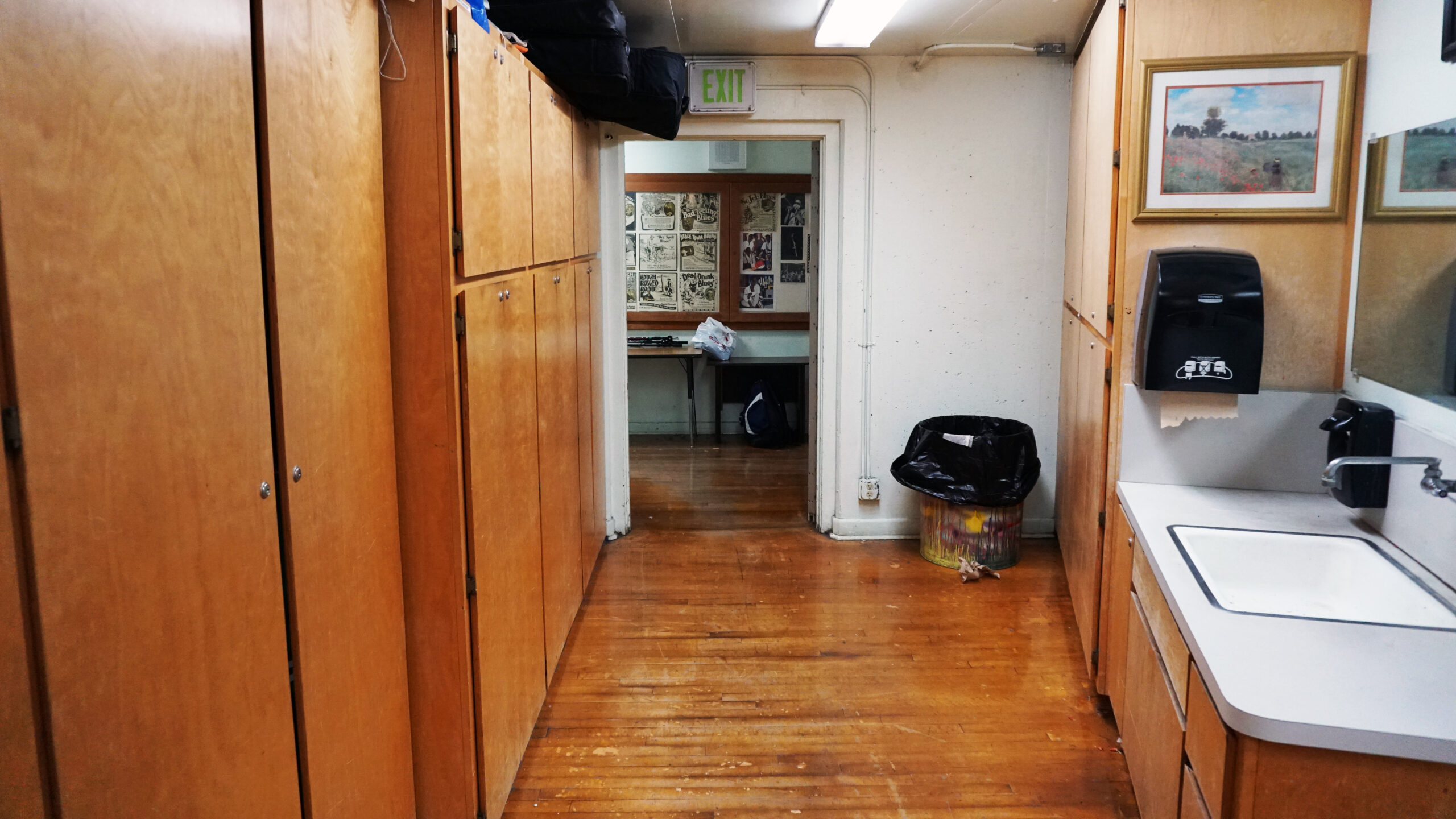
San Juan Unified School District, serving a large population of students in the Sacramento area, faces the significant challenge of modernizing its aging infrastructure.A key priority for this district is the renovation of El Camino Fundamental High School, a facility that exemplifies the struggles of many older educational institutions.
This school, built in the 1950s, currently experiences extreme heat due to a lack of air conditioning in many areas, leading to uncomfortable learning conditions.
Leaky roofs are a persistent problem, causing water damage to lockers and expensive equipment, and requiring makeshift solutions like garbage cans to collect dripping water.
Furthermore, outdated plumbing systems have led to sewage backups, creating unsanitary conditions for students.
The district has placed Measure P, a $950 million general obligation bond, before voters.
If passed, this measure aims to address these critical issues by updating classrooms, repairing roofs, enhancing school security, ensuring safe drinking water, and removing hazardous materials like asbestos and lead paint.
The proposed improvements are designed not only to create a more conducive learning environment but also to support the retention of quality teachers by providing them with modern and functional workspaces.
Superintendent Melissa Bassanelli has emphasized that quality classrooms and dedicated teachers are essential for student success, and Measure P funds will be instrumental in upgrading career technical education facilities, science and math labs, and ensuring access to a well-rounded education that includes music and performing arts.
The bond is structured to be affordable for homeowners, costing an estimated $60 per $100,000 of a home's assessed value annually.
For a home valued at $500,000, this translates to approximately $300 per year.
This investment is seen as crucial for transforming 20th-century buildings into spaces capable of supporting 21st-century learning.
The district's chief operations officer, Frank Camarda, noted that the district requires an estimated $3.5 billion to complete all necessary work across its 64 schools.
While state funding through Proposition 2, a proposed $10 billion state construction bond, could provide an estimated $90 million, local bond measures remain vital for addressing the most pressing needs.
The district's long-term vision for facility upgrades is a step-by-step, comprehensive process.
Camarda explained that the strategy involves maintaining existing infrastructure while making bold moves to replace the oldest and most problematic buildings.
This philosophy has already seen success in the modernization of Dyer-Kelly Elementary School, a 70-year-old facility that was razed and replaced with a new two-story building five years ago.
Teachers and students at the revitalized elementary school now benefit from numerous bathrooms, a modern amphitheater, and spacious classrooms equipped with whiteboards, televisions, and ample storage.
The new school has become a community hub, providing a safe and well-lit space for students and families.
Wasco Union High School District: Enhancing Safety, Comfort, and Opportunity
In the rural Kern County community of Wasco, the Union High School District faces a unique set of challenges, particularly concerning its athletic and vocational facilities.The district's current gymnasium, built in the 1950s, is a significant point of concern.
With temperatures frequently soaring above 90 degrees, the gym's evaporative cooling system is insufficient, making it unsafe and uncomfortable for physical education classes and athletic events.
Students often have to sit in the bleachers and complete online assignments when outdoor activities are not feasible, and paramedics have been called when students have passed out from heat during P.E. classes.
Measure D, a $35.4 million education bond measure, is on the ballot to address these issues.
The bond would cost homeowners approximately $30 per $100,000 of their home's value, or about $94 annually for a home valued at the median Wasco price of $314,000.
A central project funded by Measure D is the construction of a new, air-conditioned gymnasium.
This would provide a safe and functional space for physical education, sports, and school events year-round.
The measure also aims to address critical safety concerns, including upgrading door locks, alarm systems, cameras, and emergency communication systems.
The west side of the campus, which houses career technical education and dual enrollment courses, currently lacks fencing, posing a significant security risk.
The need for modernized career technical education (CTE) facilities is also a high priority.
Wasco Union High School offers programs in construction, but the current shop area is cramped and lacks air conditioning, exacerbating the heat when power tools are in use.
The building intended for dual enrollment students was previously damaged by arson, highlighting the need for improved security and modern facilities.
Additionally, the district operates an off-campus farm for agricultural students, but it lacks basic amenities like plumbing and safe drinking water, which the bond measure seeks to rectify.
The district has a history of seeking voter support for facility improvements.
A bond measure passed in 2008 successfully modernized heating and air conditioning systems across much of the campus, which was originally built in 1915.
However, subsequent bond measures in 2018 and 2020 narrowly failed to pass.
Superintendent Kevin Tallon emphasized the importance of community understanding regarding the safety components of the proposed bond, stating that the current campus is not as safe as other facilities in Kern County schools.
If Measure D passes, it would allow for approximately 80% of the campus to be modernized over the next two decades.
The district plans to seek funding from Proposition 2, recognizing that state aid will be crucial, especially for districts like Wasco, where a high percentage of students (88%) qualify for socioeconomically disadvantaged programs.
Tallon acknowledged the current economic climate but stressed that the investment in schools is money well spent for the quality of education and opportunities it provides.
The Role of State Bonds and Proposition 2
While local bond measures are essential for addressing specific district needs, state-level initiatives play a crucial role in supplementing these efforts.Proposition 2, a proposed $10 billion state construction bond for K-12 and community colleges, is on the statewide ballot alongside numerous local measures.
The passage of Proposition 2 would begin to replenish state assistance for school facilities, which has been depleted since the $9 billion bond approved in 2016.
This state funding is particularly important for districts with a high proportion of low-income students, as it can help equalize opportunities and ensure that all students have access to safe and modern learning environments, regardless of their district's local tax base.
State bonds like Proposition 2 are designed to provide a broader framework for addressing statewide facility needs, often prioritizing projects that align with state educational goals, such as expanding access to transitional kindergarten and supporting innovative career exploration programs for high school students.
The Legislature's decision to place this measure on the ballot reflects a recognition of the widespread need for investment in educational infrastructure across California.
For districts like Wasco Union High School District, which serves a large population of socioeconomically disadvantaged students, state funding can be a critical lifeline in achieving their modernization goals.
Eligibility and Impact of State Funding
State bond funds are typically allocated based on specific criteria, often prioritizing districts that demonstrate significant need and have a strong commitment to improving their facilities.Proposition 2, if passed, would create a new list of projects eligible for state assistance, helping to replenish the pipeline of funding for future school construction and renovation initiatives.
This state support is vital for districts that may have limited local bonding capacity or face exceptionally high renovation costs.
The impact of state funding can be transformative, enabling districts to undertake projects that would otherwise be financially impossible.
This can include everything from building new classrooms to accommodate growing student populations to implementing energy-efficient upgrades that reduce long-term operational costs.
By working in tandem with local bond measures, state initiatives like Proposition 2 help ensure that a comprehensive approach is taken to modernizing the state's educational landscape, benefiting students across all communities.
Conclusion: Investing in Education is Investing in the Future
The decision for school districts to place bond measures on the ballot, and for voters to consider them, represents a profound commitment to the future of education.The challenges faced by districts like San Juan Unified and Wasco Union High School District are not unique; they reflect a widespread need to update and improve the physical spaces where our students learn and grow.
From ensuring basic comfort and safety in aging buildings to creating state-of-the-art facilities that foster innovation and prepare students for future careers, these bond initiatives are critical investments.
The urgency is clear: outdated infrastructure can hinder academic achievement, compromise student well-being, and limit opportunities.
By supporting these measures, communities are not just funding bricks and mortar; they are investing in their students, their teachers, and the long-term prosperity of their communities.
The success of these bond measures, alongside potential state support, will pave the way for a more equitable and effective educational experience for all students, ensuring that every school is a place where learning can truly flourish.





 Explore AI Teaching Tools
Comments (0)
Please login to comment
No comments yet
Be the first to comment on this article