
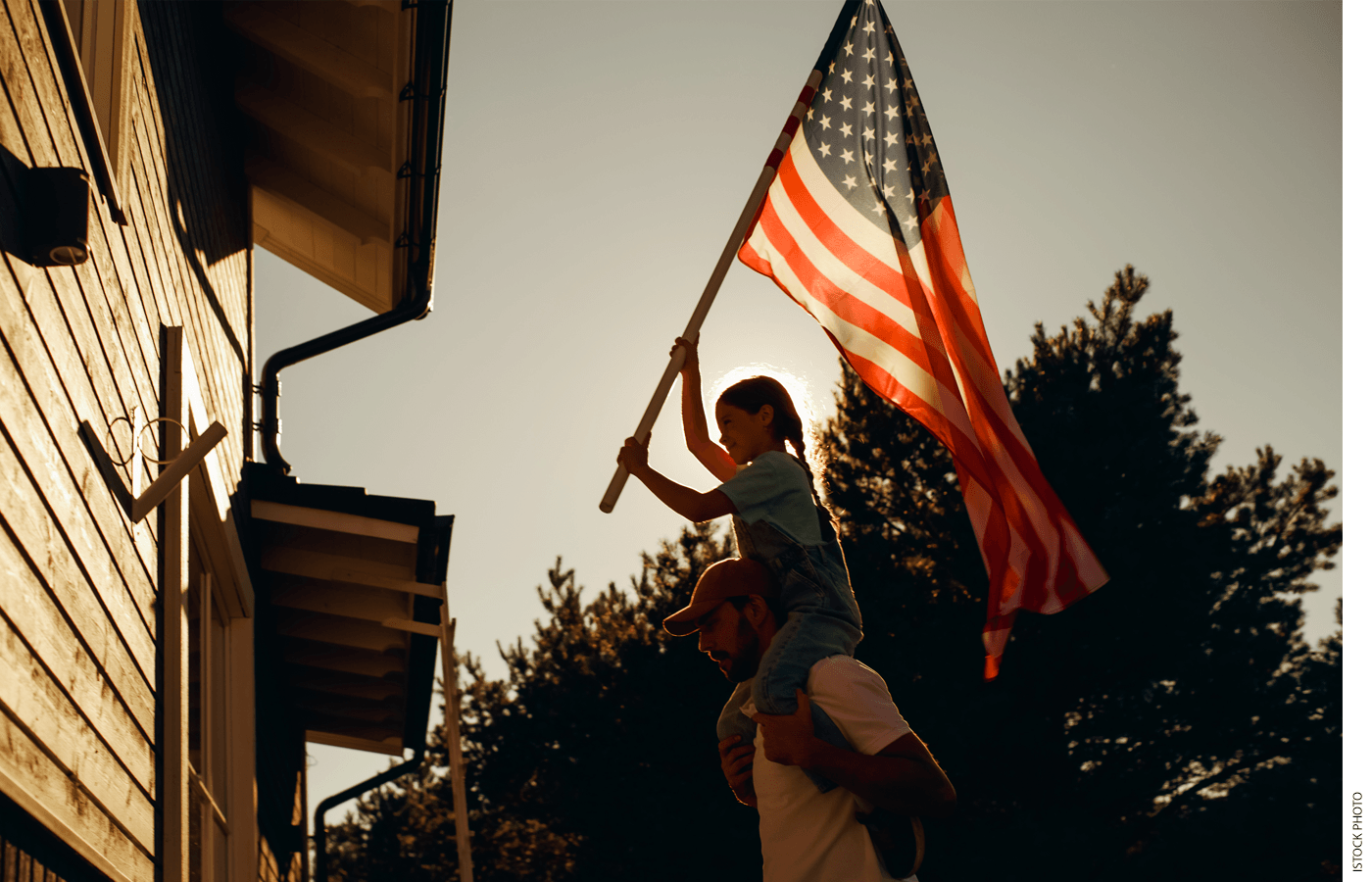
Virginia's Bold Vision: Igniting a Civic Renaissance as Nation Approaches Semiquincentennial
As America stands on the cusp of its 250th anniversary, a critical question emerges: Are our students equipped to understand and uphold the very foundations of this nation? Recent data paints a concerning picture, with significant declines in civics and history proficiency among eighth graders. Yet, within this challenge lies an extraordinary opportunity, particularly highlighted by Virginia's proactive approach to rekindling civic understanding and engagement.
A Founding Principle Under Threat: The Imperative of an Educated Citizenry
The architects of this nation were remarkably unified on one fundamental principle: the survival of their nascent democracy hinged on an informed populace. Thomas Jefferson famously declared, "Educate and inform the whole mass of the people. They are the only sure reliance for the preservation of our liberty." George Washington echoed this sentiment, emphasizing the pressing duty to impart the "science of government" to those who would become the future guardians of American liberties.
Two and a half centuries later, it is evident that other priorities have often overshadowed this crucial mandate. The latest National Assessment of Educational Progress (NAEP) Civics test in 2022 revealed a disheartening decline, with only one-fifth of eighth graders demonstrating mastery of fundamental civic knowledge. The accompanying U.S. history assessment showed an even more stark reality, with a mere 13 percent of eighth graders scoring at or above proficient. This widespread civic ignorance poses a significant crisis for the nation's democratic health.
Virginia's "Made in Virginia" Blueprint: A Decade of Civic Renewal
Virginia, the Commonwealth that played such a pivotal role in the nation's founding, has embraced the semiquincentennial not merely as a date for celebration, but as a catalyst for a profound civic renewal. The VA250 Commission, with its ambitious tagline "America: Made in Virginia," has spearheaded a comprehensive, multi-year effort designed to engage, inspire, and educate citizens across the state and beyond.
This initiative, born from a spirit of collaboration and a vision extending far beyond a single anniversary, has sought to weave together the threads of history, civics, and active citizenship. The goal is to foster a deeper understanding of the nation's past, its founding ideals, and the inherent rights and responsibilities that define American citizenship, aiming to strengthen the nation for the next 250 years.
Making History Tangible: From Bourbon to Bugs
The VA250 Commission's approach has been remarkably creative, enlisting every state agency to find unique ways to commemorate Virginia's role in the nation's founding. This has resulted in a diverse array of programs and events that aim to make history accessible and engaging for all Virginians.
Examples include special whiskey releases honoring both the nation's founding and Virginia's legacy as a birthplace of American distilling, and engaging exhibits at the Virginia Museum of Natural History exploring early leadership in natural history and Thomas Jefferson's contributions to paleontology. These initiatives demonstrate that significant historical milestones can serve as powerful opportunities for reflection, learning, and growth.
Beyond the Founders: A More Inclusive Narrative
Unlike the more narrowly focused historical narratives of past commemorations, the VA250 endeavor has prioritized a more inclusive and comprehensive understanding of American history. The aim is to ensure that students today are exposed to the full spectrum of stories that have shaped the nation, moving beyond a singular perspective to embrace a richer, more nuanced tapestry of experiences.
This commitment is reflected in the 2023 Update of the History and Social Studies Standards of Learning for Virginia Public Schools. These revised standards underscore the critical importance of mastering core knowledge of history and government, preparing students for the rights, opportunities, and responsibilities of American citizenship. The update ensures that while George Washington is recognized as the "Father of the Nation," the foundational role of slavery as the primary cause of the Civil War is also explicitly taught to every elementary student.
Bringing the Past to Life: The Museum on Wheels
To translate these updated standards into tangible learning experiences, the Virginia Department of Education is collaborating with historical institutions and museums to link specific curriculum standards to a wealth of resources. This includes videos, tours, artifacts, and meticulously crafted lesson plans, ensuring that students from every corner of the Commonwealth can connect with the history of their state and country through dynamic multimedia tools.
A cornerstone of this effort is the "museum on wheels," an interactive and immersive mobile exhibit designed to illustrate how Virginians shaped America. This traveling exhibition aims to reach every middle school in the state, providing access to historical content and fostering a deeper appreciation for the nation's origins. The profound impact of such initiatives is captured in the words of a young student who, experiencing a museum for the first time, shared his enthusiastic enjoyment, underscoring the vital importance of expanding access to knowledge.
Celebrating Democracy: Expressions of Freedom and the Power of Words
The VA250 Commission has also focused on fostering a deeper appreciation for the principles of democracy through various student-centered initiatives. The annual "Reading Revolution" encourages community members to partner with elementary schools to read and discuss books about the nation's founding, while public readings of the Declaration of Independence on the Fourth of July serve as powerful reminders of the nation's foundational ideals.
The "Expressions of Freedom" contest, launched in 2023, invites K–12 students to articulate their personal beliefs about freedom through diverse creative mediums, including poems, paintings, essays, and videos. For college students, a statewide oratory contest challenges them to write and present speeches on compelling topics related to American history and ideals, such as the story of an American who embodies the Declaration of Independence.
Furthermore, firsthand experiences with the naturalization process are being facilitated through partnerships with federal judges and local colleges. These events offer elementary school students a unique opportunity to learn about becoming an American citizen, providing a moving and memorable reminder of the privileges and responsibilities of citizenship.
Sparking a Civics Renaissance: Beyond the Classroom
The revitalization of civic education extends beyond the classroom, requiring a concerted effort to cultivate a culture that values robust civic knowledge, freedom of expression, diversity of thought, and civil discourse. While government plays a role in revising educational standards, the true renewal demands leadership from public, private, and non-profit civic organizations working in concert.
Virginia has seen this collaborative spirit in action through initiatives like the Virginia Civics Bee, a partnership involving Colonial Williamsburg, the Virginia Chamber, the Governor's office, and the Virginia Department of Education. This competition, open to all middle school students, aims to foster a deeper understanding of civics and constitutional literacy.
The Virginia Museum of History and Culture (VMHC) has emerged as a central hub for K–12 civics education in the Commonwealth, coordinating efforts to strengthen constitutional literacy, civic engagement, and students' understanding of their rights and responsibilities. Through resources like the Civics Connects curriculum and expanded debate programs, the VMHC is empowering teachers and students alike.
Research consistently shows that participation in debate programs not only enhances civic engagement but also prepares students for higher education by fostering critical thinking and the ability to articulate fact-based arguments. This emphasis on developing well-reasoned discourse is a crucial component of preparing students for an increasingly complex world.
Nurturing Civil Discourse in Higher Education
The commitment to civic renewal extends to Virginia's institutions of higher learning. The Council of Presidents, representing four-year and two-year colleges, has partnered with the Governor's administration to prioritize the creation of vibrant learning environments that foster civil discourse and free inquiry. The Summit on Free Expression and Diversity of Thought explored strategies for preparing graduates to be responsible and constructively engaged members of society.
The Virginia Plan for Higher Education (2026–2032) explicitly calls for an enhancement of civic knowledge, civil discourse, and service learning within the college experience. Colleges are actively partnering with national organizations to support these goals, cultivating talent and ideas that develop young people into effective, lifelong citizens.
A Nation Divided? The Peril of Partisan Politics in Civics
The urgency for a civics renaissance is underscored by concerning data regarding national pride and partisan divides. Gallup polling indicates a record low in the percentage of Americans who are extremely or very proud to be American, with a significant partisan gap in enthusiasm for the nation's upcoming anniversary. This trend is particularly alarming, as the politicization of civics education threatens to undermine the very foundations of democratic engagement.
The erosion of national unity is further evident in generational divides, with older generations expressing significantly higher levels of pride in the country compared to younger cohorts. This divergence can be attributed to a complex interplay of factors, including economic pessimism, general dissatisfaction with the nation's state, and widening partisan rifts.
A crucial factor contributing to this decline, however, is the de-prioritization of history and civics education in public schools over the past two and a half decades. Without a thorough understanding of America's exceptional history and the revolutionary nature of its governing model, it becomes tempting to judge the nation by its present political challenges rather than by its enduring founding ideals.
Knowledge of history and civics is as vital for future success as mastery of math, reading, and writing. It not only prepares individuals for skilled employment but, more importantly, cultivates informed citizens capable of participating meaningfully in democracy. The cultivation of national pride, like any valuable pursuit, requires dedicated effort and consistent reinforcement.
There is a tendency to focus on the rights afforded by citizenship rather than the responsibilities inherent in participating in a free society. It is imperative to constantly remind ourselves and future generations that the phrase "WE THE PEOPLE" signifies collective responsibility for the functioning of our democracy.
Seeds of Hope: A Path Forward for the Next 250 Years
Despite the challenges, there are clear signs of growing commitment to civic education that offer hope for the future. The recent decision by the National Assessment Governing Board (NAGB) to revise the Civics Framework and allow states to opt in for state-level results will provide valuable data to inform policy and practice.
The widespread participation in the National Civics Bee and the quadrupling attendance at the National Summit on Civic Education are further indicators of a burgeoning interest in civic renewal. Moreover, an increasing number of colleges are establishing Schools of Civic Thought and Leadership and implementing required courses in American history and civics.
As the nation celebrates its founding, the focus must extend beyond a single day of festivities to a sustained, multi-year period of civic renewal and education. Virginia's ongoing commemoration, extending through the anniversary of the Yorktown victory, exemplifies this long-term vision.
Imagine the transformative potential if the nation collectively committed the next thirteen years, leading up to the 250th anniversary of the U.S. Constitution in 2039, to a focused effort on civic education, engagement, and renewal. This endeavor must permeate not only our classrooms but also our homes, workplaces, and community gatherings.
Engaging in simple yet profound actions—reading the Declaration of Independence, attending naturalization ceremonies, visiting historical sites, testing one's knowledge with citizenship questions, staying informed through news, volunteering, and even considering public service—can collectively spark a civics renaissance. Discussing the responsibilities, not just the rights, of citizenship with children is paramount.
Embracing the next thirteen years as a period of democratic celebration and renewal, and actively working to make history come alive, will be instrumental in building a stronger, more vibrant nation. These actions are not only educational and enlightening but also inherently rewarding, contributing to the ongoing effort to forge a "more perfect union."



 Explore AI Teaching Tools
Comments (0)
Please login to comment
No comments yet
Be the first to comment on this article