
AI in Schools: A Digital Lifeline or a Social Straitjacket for Students?
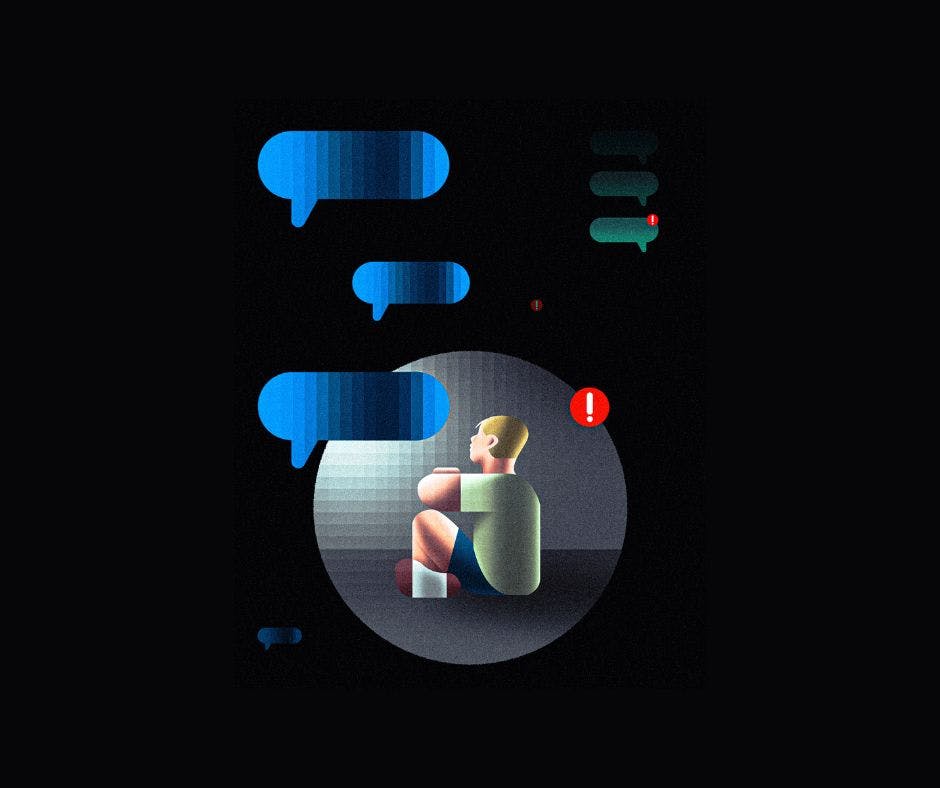
When the clock strikes 7 p.m., a middle school counselor in Florida receives an alert. It’s not a parent calling, but a notification from an artificial intelligence platform designed to monitor student well-being during non-school hours. This technology flags potential risks, prompting immediate human intervention when a student's digital interactions suggest they might be a danger to themselves or others.
The Digital Sentinel: How AI is Entering the Schoolhouse
Brittani Phillips, a counselor in Putnam County, Florida, experienced this firsthand. A "severe" alert for an eighth grader landed on her phone one evening, initiating a chain of calls to the student's mother and, ultimately, the police. This intervention, Phillips believes, not only saved a life but also forged a crucial bond of trust with the student and their family. The student, now in ninth grade, still greets her in the hallway, a testament to the impact of that critical evening.
Phillips's school, like many facing budget constraints and a shortage of mental health professionals, has turned to AI. For three years, her district has utilized a system that monitors student mental health needs. This is part of a burgeoning market of AI-driven tools marketed to K-12 institutions, with numerous companies securing significant funding in recent years. These platforms often boast features like AI-powered chat tools designed to build resilience and emotional skills, with the promise of human clinician oversight.
The appeal for resource-strapped schools, particularly those in rural areas, is undeniable. These tools offer a potential pathway to much-needed mental health support for students. However, this technological integration is not without its critics. Concerns are mounting among parents, educators, and lawmakers about the increasing screen time for adolescents and the potential for over-reliance on AI for sensitive human health issues.
On the Digital Couch: Why Students Open Up to AI
The comfort students find in confiding in AI stems from a complex interplay of factors. For many adolescents, the prospect of speaking with a human mental health professional can be daunting. The perceived anonymity and lack of immediate judgment offered by AI interfaces can lower these barriers.
A generational shift also plays a significant role. Students who have grown up immersed in digital communication, from social media to online gaming, find AI interfaces familiar and intuitive. The preference for text-based communication over phone calls is prevalent, making AI chat a natural extension of their existing communication habits.
Furthermore, interacting with AI allows students to bypass the anxieties associated with reading and responding to human facial expressions, which they may fear will convey judgment. The 24/7 availability of AI chatbots, without the need for appointments or the social navigation of scheduling, adds another layer of convenience.
Sarah Caliboso-Soto, a licensed clinical social worker, observes that for some students, interacting with AI can feel "almost more natural than interacting with another human being." This sentiment is echoed in the rise of crisis text and chat lines, even those that do not employ AI themselves. Caliboso-Soto suggests that AI could serve as a valuable "first line of defense" for schools, performing initial check-ins and directing students to appropriate human support when needed.
The Limits of Algorithmic Empathy
While AI can offer accessibility and initial support, experts caution against viewing it as a replacement for human counselors. The nuanced discernment of a trained clinician, who can interpret vocal inflections, body language, and subtle behavioral cues, remains beyond the current capabilities of AI. The human connection and judgment essential for effective mental health care cannot be replicated by algorithms alone.
Linda Charmaraman, director of a youth media and wellbeing research lab, emphasizes the importance of a holistic approach. AI can expedite certain processes and free up counselor time, but over-reliance risks missing crucial subtleties that a human counselor would detect. The potential for AI to provide unrealistic positive reinforcement also warrants careful consideration. A truly effective strategy must involve families and caregivers, ensuring that students maintain meaningful contact with clinically trained human professionals.
A Stepping Stone, Not a Destination
Representatives from AI platforms often emphasize that their tools are not intended to supplant human therapy. Instead, they are positioned as a bridge to seeking professional help. Ava Shropshire, a youth advisor for one such platform, argues that these tools normalize mental health conversations and social-emotional learning, ultimately encouraging students to seek out human support.
However, some students perceive these AI interactions as merely a temporary fix, a "Band-Aid" for deeper emotional needs. The long-term impact on a student's ability to form and maintain meaningful human relationships remains a critical question.
Social Accountability: Rebuilding the Human Community
In an era marked by increasing loneliness and perceived weakening of community bonds, the yearning for connection is palpable among young people. Sam Hiner, executive director of an organization advocating for youth engagement, points to economic upheaval and the isolating effects of technology and social media as drivers of this deep-seated need for belonging.
Students, he notes, will seek connection wherever they can find it, even if that means turning to AI platforms. While his organization supports the regulated use of AI for therapeutic purposes, their primary mission is to foster the rebuilding of human community. They express concern that AI, when used to replace human companionship, could undermine this vital aspect of a fulfilled life and overall mental well-being.
The Perils of Parasocial Attachment
Hiner highlights the danger of "parasocial relationships," where students develop one-sided emotional attachments to AI. While AI can offer feedback and analysis, it should not mimic emotional states, such as expressing pride in a student's achievements. Such interactions can foster unhealthy dependence and hinder the development of genuine social skills.
The metrics by which AI platforms often measure success—user engagement and immediate emotional relief—may not translate to long-term fulfillment or genuine connection. The concern is that these bots could inadvertently fuel a decline in social skills by diverting individuals away from the reciprocal relationships that foster social accountability.
Pushing Boundaries: Privacy and the Human Element
Privacy experts raise significant concerns regarding the data collected through AI chatbots. These conversations often lack the same robust privacy protections afforded to interactions with licensed therapists. In an environment where student privacy and potential encounters with law enforcement are already sensitive issues, the use of these tools, even with human oversight, introduces complex privacy challenges.
Both AI companies and school counselors like Brittani Phillips stress the indispensable role of human oversight. Phillips views the AI tool as an improvement over previous monitoring systems that often led to disciplinary actions rather than mental health support. She has observed that the AI can flag potential issues, but it requires human interpretation to discern genuine distress from adolescent testing of boundaries.
Phillips recounts instances where students, often boys, have deliberately entered alarming statements into the chat to gauge the system's response. These tests, she explains, are often attempts to see if anyone is paying attention or if anyone cares. When she intervenes, she can assess their body language and sincerity, distinguishing between a joke and a cry for help.
This human element is crucial. Phillips's ability to engage with students directly, observe their reactions, and offer appropriate support—whether it's a conversation or parental notification—demonstrates the irreplaceable value of human judgment. She notes that the frequency of these boundary-testing behaviors has decreased over time, suggesting that students learn to trust that their interactions are being monitored with genuine care.
Ultimately, the integration of AI in schools for mental health support presents a complex landscape. While it offers potential solutions for resource-scarce environments and can provide accessible initial support, the irreplaceable nature of human connection, judgment, and nuanced understanding remains paramount. The ongoing dialogue must focus on how these tools can augment, rather than replace, the vital human relationships that underpin student well-being and development.




 Explore AI Teaching Tools
Comments (0)
Please login to comment
No comments yet
Be the first to comment on this article