
NYC's Bold Small School Experiment: A Decade Later, What Did We Learn?
For twenty years, New York City championed a radical idea: shrink its sprawling high schools into intimate learning communities. This ambitious reform, fueled by significant investment, aimed to rescue struggling students and boost educational outcomes. Now, a comprehensive, long-term study is finally offering a clearer, albeit complex, picture of its triumphs and shortcomings.
The Genesis of a Revolution: From Giants to Gems
In the early 2000s, under the leadership of Mayor Michael Bloomberg, the city embarked on a sweeping initiative. Dozens of large, often underperforming high schools, particularly in lower-income neighborhoods, were shuttered. In their place, a wave of smaller schools emerged, many occupying the very same buildings. This transformation was significantly bolstered by a $150 million investment from a prominent foundation, aiming to foster a new educational landscape.
A key element of this reform was the selective admission process for many of these new institutions. Over 120 of the most sought-after small schools utilized a lottery system for student entry. This randomization proved invaluable for researchers, providing a unique opportunity to track the impact of these schools through a controlled comparison.
Early Wins: Graduation Rates Soar, College Doors Open
The initial results were striking, offering a beacon of hope for a system grappling with significant challenges. A substantial majority of students entering these schools were academically behind, often reading or performing math below grade level. Despite these hurdles, the small school model demonstrated immediate success.
Data revealed that 76 percent of students admitted to these smaller environments graduated within four years. This stood in stark contrast to the 68 percent graduation rate among students who narrowly missed the lottery, an impressive 8 percentage point increase. This enhanced completion rate meant that, on a per-graduate basis, these schools were more cost-effective, even with higher per-student operational expenses and a greater need for administrative staff.
The impact extended beyond high school walls. College enrollment saw a significant surge. Fifty-three percent of students from the small schools pursued postsecondary education, compared to 43 percent of their peers in the control group—a nearly 10 percentage point leap. The vast majority of these students enrolled within the accessible City University of New York system, making higher education a tangible reality for many.
The Power of Connection: Inside the Small School Ecosystem
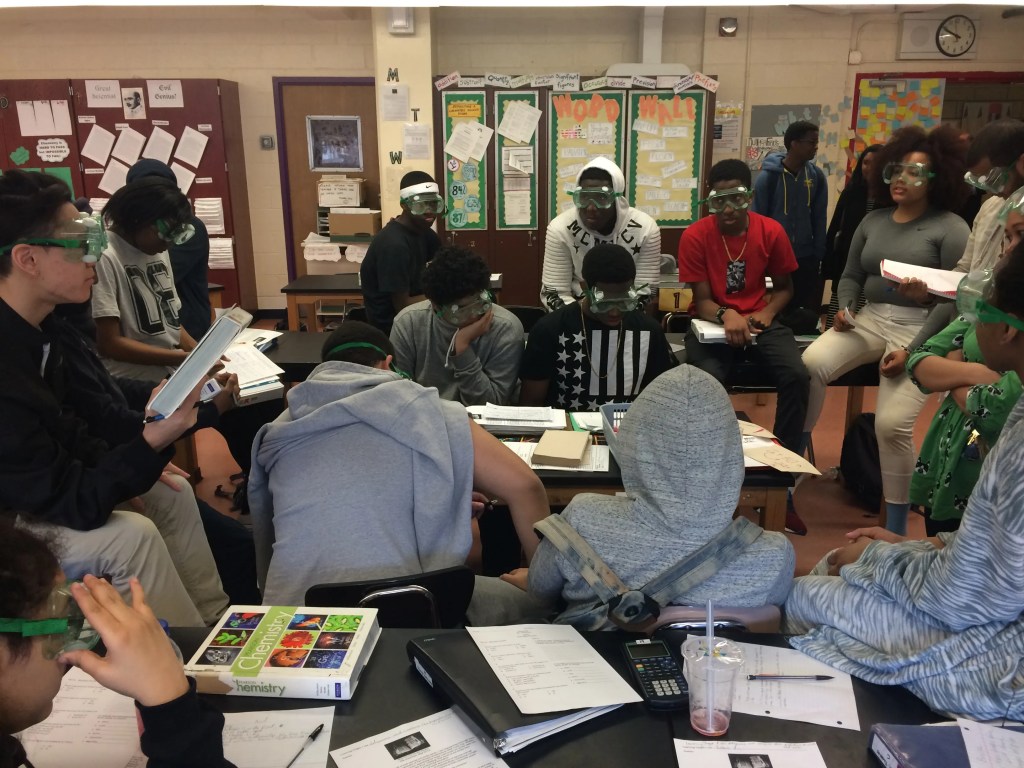
The success of these small schools is often attributed to their intimate scale. Typically housing around 100 students per grade level, these institutions fostered tight-knit communities. This environment allowed educators and students to develop deeper, more personal connections, a factor researchers believe was crucial to the observed gains in graduation and college attendance.
Many of these schools implemented robust advisory systems. In these programs, teachers met regularly with a consistent group of students, providing guidance on academic progress, emotional well-being, and the often-complex college application process. This personalized support system created a safety net, ensuring students felt seen and supported throughout their high school journey.
A Sobering Reality: Long-Term Outcomes and Unmet Expectations
While the immediate gains were undeniable, a longer-term perspective reveals a more nuanced picture. Although small school alumni were more likely to enroll in both four-year and two-year colleges, their success in completing community college degrees did not significantly outpace that of their peers. After six years, only about 10 percent of students had earned an associate degree, a figure comparable to those who attended larger schools.
The study also found no discernible differences in employment rates or overall earnings between the two groups. This suggests that while small schools effectively opened doors to higher education, they did not necessarily alter students' long-term economic trajectories as dramatically as initially hoped.
There was, however, one notable exception. Students who enrolled in four-year colleges were more likely to complete their bachelor's degrees if they had previously attended a small high school. Nearly 15 percent of small school graduates earned a four-year degree within six years, a modest but significant increase compared to the 12 percent of their counterparts.
The Architect's Perspective: A Worthwhile Endeavor
Joel Klein, who served as the New York City schools chancellor during this transformative period, views the small school initiative as a resounding success. He considers it one of his most significant achievements, alongside the expansion of charter schools. Klein acknowledges the considerable political capital required to close large schools and establish new ones, especially given the resistance from the teachers' union, which necessitated teachers reapplying for positions in the smaller institutions.
Klein argues that the data unequivocally demonstrates the value of the small school effort. He believes that while other cities attempted similar reforms, they often failed to replicate New York's success by merely subdividing existing large schools without cultivating new, distinct cultures. In contrast, New York's approach involved aspiring principals submitting detailed proposals, akin to charter school applications, and a gradual rollout of new schools, adding one grade at a time.
Unintended Consequences: The Ripple Effect of Reform
The transition period, marked by the closure of old schools and the slow establishment of new ones, was not without its challenges. Limited seating in the newly formed small schools led to increased enrollment in the remaining large institutions across the city. While some students thrived in the intimate settings of the new schools, many others experienced overcrowding and its associated difficulties.
This period highlighted the complex interplay between reform efforts and the existing infrastructure of a large urban school system. The unintended consequences underscore the difficulty of implementing sweeping changes without careful consideration of all potential impacts on the student population.
The Shifting Tides: From Small Schools to New Frontiers
The momentum behind the small school movement eventually waned. Factors such as political opposition, the inherent challenges of replicating the model effectively in other contexts, and evolving philanthropic priorities contributed to its decline. By the 2010s, educational reformers began shifting their focus towards evaluating teacher effectiveness and developing strategies for turning around struggling schools.
Today, with declining enrollment becoming a concern in many districts, the conversation has pivoted from school expansion to consolidation. The focus is on optimizing resources and managing shrinking student populations, a stark contrast to the ambitious expansion of the early 2000s.
Lessons Learned: Adapting the Small School Ethos
Despite the waning of the original movement, the core principles of the small school model continue to resonate. Researchers like Rebecca Unterman of MDRC suggest that elements of the small school approach, such as advisory systems and the concept of "schools within schools," are being explored as ways to enhance the learning environment within larger, existing campuses. This indicates a recognition that the benefits of smaller learning communities can potentially be integrated into more traditional school structures.
The legacy of New York City's small high schools is a testament to their significant improvement over the struggling institutions they replaced. The fact that a majority of these schools remain operational speaks to their enduring appeal and effectiveness. However, the evidence also offers a critical insight: while reforming high schools can lead to crucial advancements, such as increased college enrollment, fundamentally altering students' long-term economic trajectories may necessitate even more profound and systemic changes.





 Explore AI Teaching Tools
Comments (0)
Please login to comment
No comments yet
Be the first to comment on this article