
Navigating the Digital Divide: A Parent & Student's Guide to Enhanced Focus in Schools
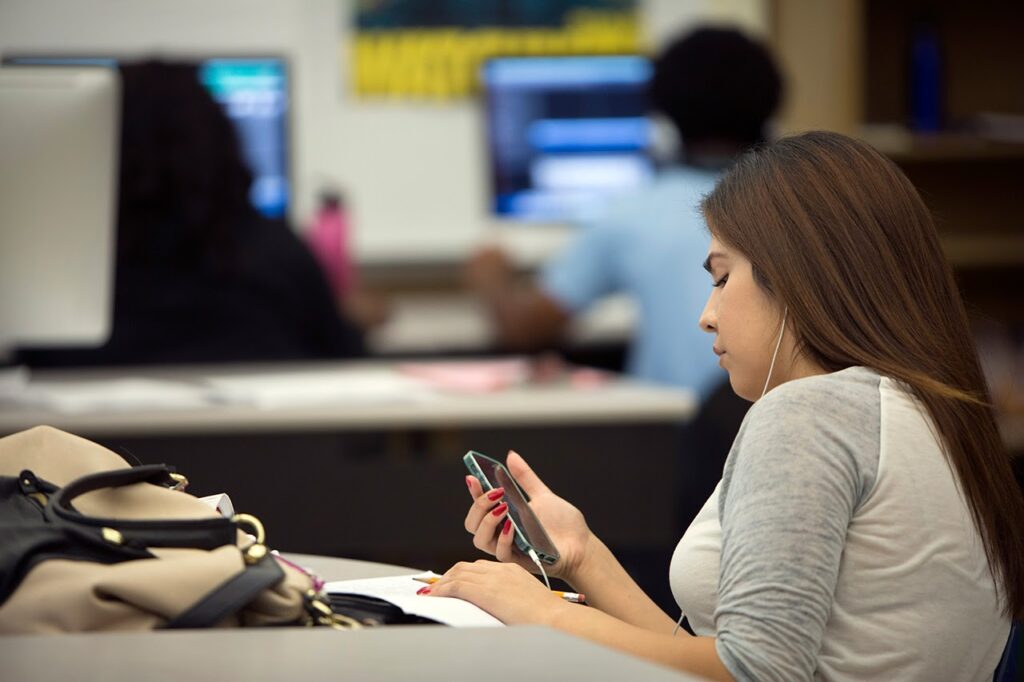
In today's hyper-connected world, the presence of smartphones in schools has become a significant topic of discussion.As educational institutions strive to create optimal learning environments, many are re-evaluating the role of personal devices.
This guide will explore the evolving landscape of school policies regarding cellphones and other smart devices, offering insights for students and their parents on how to adapt and thrive, ensuring that learning remains the priority.
We will delve into the rationale behind these changes and provide practical advice for navigating the new school environment.
The Shifting Landscape of School Technology Policies
Many school districts are proactively addressing the pervasive influence of personal technology, aiming to foster environments more conducive to deep learning and genuine social interaction.
Research indicates that the constant connectivity offered by smartphones can fragment attention, hinder cognitive development, and negatively impact students' mental well-being.
By implementing stricter guidelines, schools are seeking to reclaim valuable learning time and encourage students to engage more fully with their immediate surroundings and academic tasks.
This shift is not about eliminating technology but about strategically managing its presence to maximize educational benefits.
The impetus behind these policy changes often stems from a desire to help students reconnect with their peers and educators in a more meaningful way.
Studies suggest that excessive screen time can diminish opportunities for face-to-face communication, which is crucial for developing social skills and emotional intelligence.
The goal is to create a balanced approach where technology serves as a tool for learning, rather than a constant distraction.
This proactive stance by school districts demonstrates a commitment to the holistic development of their students.
Understanding the New School Environment: What Students and Parents Need to Know
As schools implement new policies, it's essential for students and their parents to understand the practical implications.
The core objective is to minimize distractions during instructional hours, thereby enhancing academic performance.
This often means that cellphones and similar smart devices will need to be powered off and stored away during the school day, including during breaks and lunch periods.
The aim is to create a consistent environment where the focus remains squarely on education.
Device Storage and Accessibility
The specific methods for storing devices will vary from campus to campus within a district.
Some schools might require students to simply place their phones in their backpacks, ensuring they are out of sight and out of mind.
Other institutions may opt for more structured solutions, such as designated storage units or even specialized pouches that can be secured.
The key takeaway for students and their parents is to be aware of and adhere to the specific procedures implemented at their particular school.
Navigating Exceptions and Special Circumstances
Recognizing that individual needs exist, most policies will include provisions for exceptions.
Students who require access to their phones for health-related reasons, or those with individualized education programs (IEPs) or 504 plans, will typically be permitted to keep their devices accessible.
Furthermore, students who need phones for language translation purposes or other specific local needs may also be accommodated.
Open communication between parents, students, and school administration is vital to ensure these accommodations are properly understood and implemented.
Emergency Protocols and Device Access
A significant concern for many parents revolves around emergency situations.
Schools are developing clear protocols to address this.
In the event of an emergency, students will be granted access to their devices if school staff deem it safe and appropriate.
However, if a student initiates a request to use their phone due to a perceived threat, the school will typically follow a structured threat assessment process and develop a safety plan.
Depending on the outcome of this assessment, access to devices may be granted.
This layered approach prioritizes student safety while managing device use.
The Scope of the Ban: Beyond Just Cellphones
It's important for students and their parents to understand that the policy often extends beyond just traditional cellphones.
Devices that offer similar smartphone functionalities, such as smartwatches, earbuds, and smart glasses, are typically included in the ban.
This comprehensive approach aims to create a level playing field and ensure that the primary focus remains on learning, free from the distractions these advanced gadgets can provide.
Understanding this broader scope is crucial for compliance.
When Devices Can Be Used
While devices must be put away during instructional time and breaks, students will generally be permitted to use their phones and other smart devices on campus before and after school hours.
This allows for necessary communication and personal use outside of the academic day.
The distinction between learning time and personal time is a key aspect of these new policies.
Consequences of Non-Compliance and Local Implementation
Schools are establishing clear consequences for students who do not adhere to the new device policies.
These typically begin with verbal reminders and may escalate to referrals to counselors or other designated school personnel.
In some cases, school administrators may also contact a student's parents or guardians to discuss the situation.
The aim is to foster a culture of responsibility and respect for the learning environment.
The Role of Local School Leadership Councils
A crucial element of successful policy implementation lies in local adaptation.
Throughout the district, Local School Leadership Councils, comprised of school personnel, parents, students, and community members, will play a vital role in determining how best to implement these new guidelines at their specific sites.
These councils will ensure that policies are sensitive to the unique needs and contexts of each school community, fostering a collaborative approach to managing technology in schools.
Conclusion: Embracing a Focused Learning Future
The evolving policies around cellphones in schools represent a significant step towards creating more focused and engaging learning environments.
For students, this means an opportunity to deepen their concentration, improve academic outcomes, and strengthen their interpersonal connections.
For parents, it offers reassurance that their children are in an environment optimized for learning and personal growth.
By understanding these changes, embracing the guidelines, and communicating openly with school staff, students and their families can navigate this transition successfully, ensuring that the school day is dedicated to the invaluable pursuit of knowledge and development.
The future of education is about balance, and these policies are a testament to that evolving understanding.






 Explore AI Teaching Tools
Comments (0)
Please login to comment
No comments yet
Be the first to comment on this article