
Biotech Breakthroughs: How a Manchester University is Forging Future Innovators
In the heart of a burgeoning technological landscape, a unique university campus is quietly cultivating the next generation of scientific leaders. For students like Nghi Huynh, the path from undergraduate studies to a high-impact career in biotechnology wasn't a straight line, but a journey of discovery that led to a specialized master's program designed to bridge the gap between academic knowledge and real-world application.
From Lab Foundations to Industry Ambitions
Nghi Huynh's academic trajectory began with a solid grounding in the life sciences. After completing her bachelor's degree in biomedical sciences, she faced a crucial realization: her passion lay not in the theoretical realms of academia, but in the tangible advancements of research and development within the dynamic biotechnology industry.
This clarity of purpose fueled her search for a graduate program that could translate her foundational knowledge into practical skills. She sought a curriculum that would not only deepen her understanding of complex scientific principles but also illuminate how these could be directly applied to critical areas like therapeutic development and drug discovery.
Her undergraduate work at the University of New Hampshire provided a robust introduction to core scientific disciplines, including biochemistry, organic chemistry, and microbiology. It was within this framework that Huynh began to identify her specific interest: the application of biotechnology to solve pressing health challenges.
The Manchester Advantage: A Gateway to Specialized Learning
With her sights set on a career that demanded critical thinking and problem-solving prowess, Huynh turned her attention to the University of New Hampshire at Manchester. This sister campus offered a Master of Science in Biotechnology: Industrial and Biomedical Sciences, a program specifically designed to equip graduates for leadership roles in cutting-edge industries.
The decision to pursue graduate studies is a significant one, often involving careful consideration of program structure, faculty expertise, and career alignment. For prospective students navigating this landscape, UNH Manchester provides a wealth of resources. The university actively hosts information sessions, webinars, and on-campus events tailored to help individuals explore the offerings of its Graduate School and its diverse array of programs.
Huynh herself found immense value in attending a dedicated Biotechnology Program Session. This experience provided her with a clear and comprehensive understanding of the curriculum's architecture and how it directly corresponded with her professional aspirations. The session served to solidify her conviction, reinforcing her decision to apply to the program at UNH Manchester.
Beyond Biotechnology: A Spectrum of High-Demand Fields
The appeal of UNH Manchester extends far beyond its flagship biotechnology program. For individuals like Prasanna Tamilselvan, a different specialized master's degree offered a compelling pathway to a high-demand career. His journey to UNH Manchester was initiated by a webinar hosted by the university, which ultimately convinced him to enroll in the MS in Cybersecurity Engineering program.
Tamilselvan's experience since joining the program has been overwhelmingly positive. He highlights the welcoming and supportive atmosphere, a crucial element for anyone embarking on a new academic chapter, especially during the initial adjustment period. The encouragement to question and the professors' dedication to clarifying complex concepts have been particularly impactful.
He also commends the broader faculty and staff for their approachability and willingness to offer guidance, often pointing students toward the right connections and resources. This emphasis on community and mentorship creates an environment conducive to both academic and personal growth.
Curriculum Aligned with Industry's Cutting Edge
At UNH Manchester, graduate programs are meticulously crafted to impart the essential skills needed to excel as leaders in their respective fields. The faculty members are deeply engaged with current industry developments, ensuring that syllabi are regularly updated to reflect the most pressing real-world challenges.
This commitment to relevance is bolstered by the University of New Hampshire's broader institutional strength. UNH consistently ranks among the top universities nationwide for research funding, providing students with access to a rich ecosystem of opportunities and resources that can fuel groundbreaking work.
For Tamilselvan, this translates into a challenging yet deeply engaging master's project. Despite lacking prior professional experience in the cybersecurity domain, he finds the opportunity to apply his learning to a complex problem both stimulating and rewarding.
Immersive Learning in a Thriving Tech Hub
UNH Manchester's strategic location is a significant asset, placing students directly within the vibrant Manchester Millyard, an area rapidly transforming into a prominent technological hub. The proximity to institutions like the Advanced Regenerative Manufacturing Institute, a non-profit dedicated to advancing regenerative medicine, offers unparalleled access to cutting-edge research and innovation.
Students are immersed in an environment teeming with startups at the forefront of biotechnology, engineering, and other critical sectors. This geographical advantage provides a unique opportunity for hands-on learning and exposure to the latest industry trends, fostering a sense of being at the pulse of innovation.
The university maintains a favorable student-to-faculty ratio of 10:1, ensuring that each student receives personalized attention and support. This intimate learning environment is particularly beneficial for graduate students undertaking complex research projects.
Hands-On Research: From Cell Lines to Bioprinters
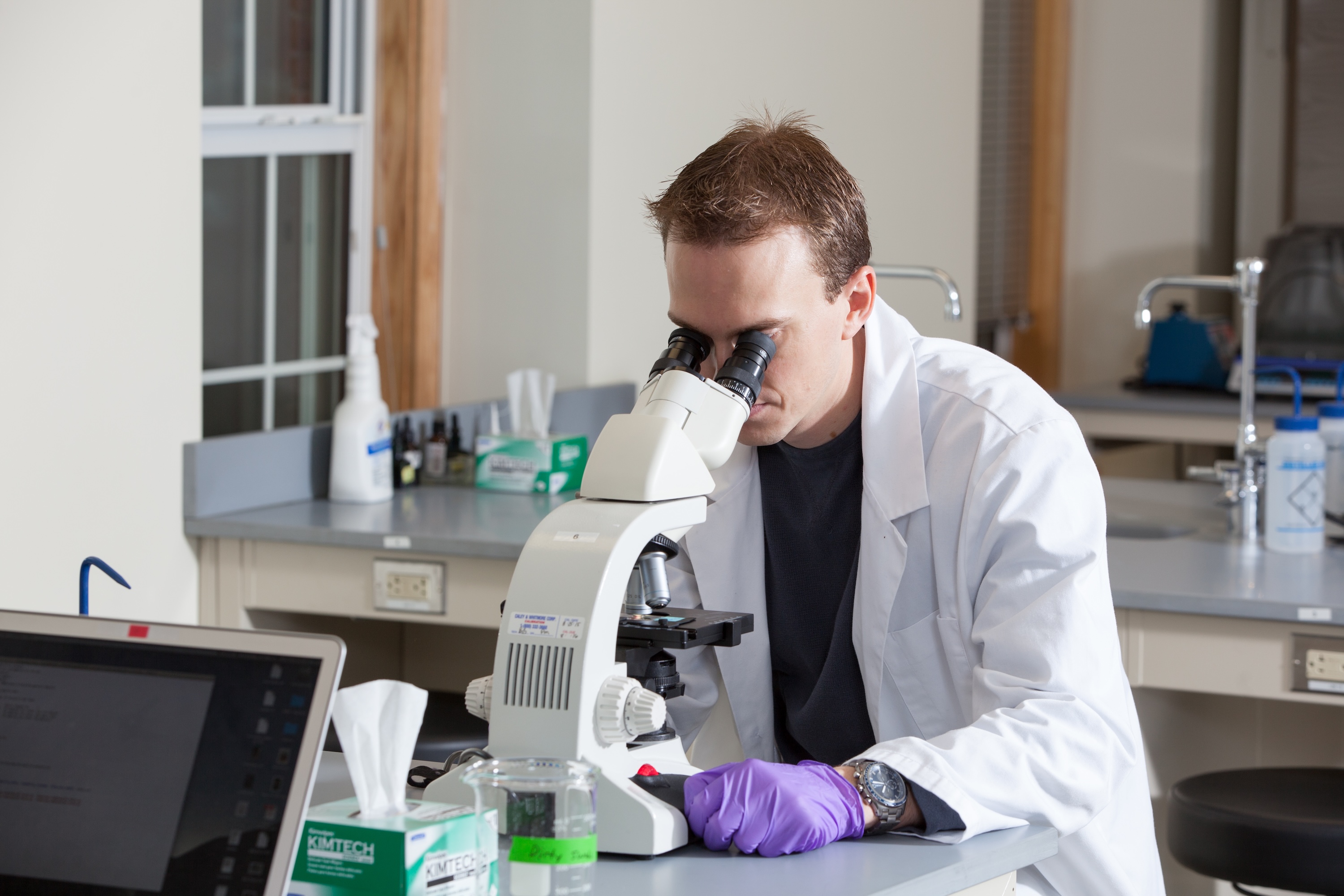
On campus, students engage in research projects utilizing state-of-the-art equipment. For biotechnology students like Huynh, much of her time is spent at the Biotechnology Innovation Centre. This facility houses advanced instrumentation within Biosafety Level 2 laboratory spaces, enabling sophisticated research.
Huynh's practical experience includes working with mammalian cell lines, stem cell models, and three-dimensional culture models. She has also received rigorous training in aseptic techniques and sterile environments, essential skills for any researcher in the field.
As a graduate research assistant in the lab of Assistant Professor Dr. Won Hyuk Suh, Huynh delved deeply into stem cell biology. This role provided her with the opportunity to master the use of a three-dimensional bioprinter, a cutting-edge tool in regenerative medicine and tissue engineering.
The most exhilarating aspect for Huynh is witnessing the broad applicability of biotechnology. She sees it as a powerful tool that empowers scientists to unravel complex problems across a diverse range of research disciplines, underscoring its interdisciplinary potential.
Charting Future Careers: From Therapeutics to Cybersecurity
Currently, Huynh is undertaking a co-op position in Stem Cell Biology at the Cystic Fibrosis Foundation Therapeutics Lab in Lexington. This experience is directly contributing to her goal of developing better therapies for individuals affected by cystic fibrosis.
As her graduation approaches, Huynh plans to leverage her expertise in stem cell systems to transition into a research and development role within the biotechnology industry. Her journey exemplifies how specialized graduate education can directly shape and accelerate career trajectories.
Meanwhile, Tamilselvan is setting his sights on a career in cybersecurity, aiming for roles such as a Security Operations Centre (SOC) analyst, cyber threat analyst, or Governance, Risk, and Compliance (GRC) analyst. His master's program is providing him with the specialized knowledge and practical skills required for these critical positions.
Through their pursuit of master's degrees at UNH Manchester, Huynh and Tamilselvan are making decisive strides toward high-level careers. Their experiences underscore the transformative power of finding the right university and the right program to align with one's professional ambitions. The university's commitment to providing specialized, industry-relevant education is clearly paving the way for significant future contributions in vital scientific and technological fields.






 Explore AI Teaching Tools
Comments (0)
Please login to comment
No comments yet
Be the first to comment on this article