
From Pharmacy Desks to Digital Frontiers: One Woman's Mission to Revolutionize Menopause Care
In a world often dominated by the latest technological breakthroughs, a quiet revolution is brewing in healthcare, driven by individuals determined to bridge critical gaps. For Vilashini Saravanan, this journey began not in a cutting-edge lab, but amidst the familiar hum of a hospital pharmacy, where the art of deciphering hurried doctor's notes was a daily ritual. This seemingly mundane task, however, sparked a profound realization about the potential of digital transformation to not only streamline operations but fundamentally improve patient care, particularly for women navigating the complex landscape of menopause.
The Seeds of Digital Change in Traditional Healthcare
Saravanan's early career was steeped in the traditional, paper-based systems of hospital pharmacy. She recalls the wry humor among colleagues about their unique ability to interpret illegible handwriting, a testament to the immense pressure and time constraints faced by medical professionals. Yet, beneath the surface of this daily challenge lay a burgeoning understanding of how a shift to digital records could alleviate many of these issues.
The prospect of electronic medical records held immense promise: reduced errors, cleaner data, and enhanced security compared to stacks of physical files. However, Saravanan also witnessed firsthand the apprehension and resistance that often accompanies significant technological shifts within established institutions. The learning curve and disruption to established routines understandably caused unease among doctors and nurses.
Then, the global pandemic dramatically accelerated the adoption of digital tools. Telehealth surged, transforming technology from a mere convenience into an absolute necessity. This period also marked a personal turning point for Saravanan. After two demanding years in the hospital environment, she experienced a decline in her own mental well-being, prompting a search for a new professional path.
A Pivot Towards Knowledge and Digital Health
Driven by an intrinsic "pursuit of knowledge," Saravanan sought to deepen her expertise. Her long-standing fascination with digital health, ignited during her pharmacy days, led her to pursue a master's degree in the field. Top UK universities like Warwick, Bristol, and Oxford became her targets, but a crucial step preceded her academic ambitions: securing a scholarship.
The Power of Opportunity: Securing a Scholarship
The path to advanced study in the UK often requires significant financial backing. Saravanan's sights were set on the prestigious Chevening Scholarship, a highly competitive, fully-funded program for international students. Recognizing the rigorous application process, she dedicated a full year to preparation, actively connecting with Chevening alumni to glean insights and advice.
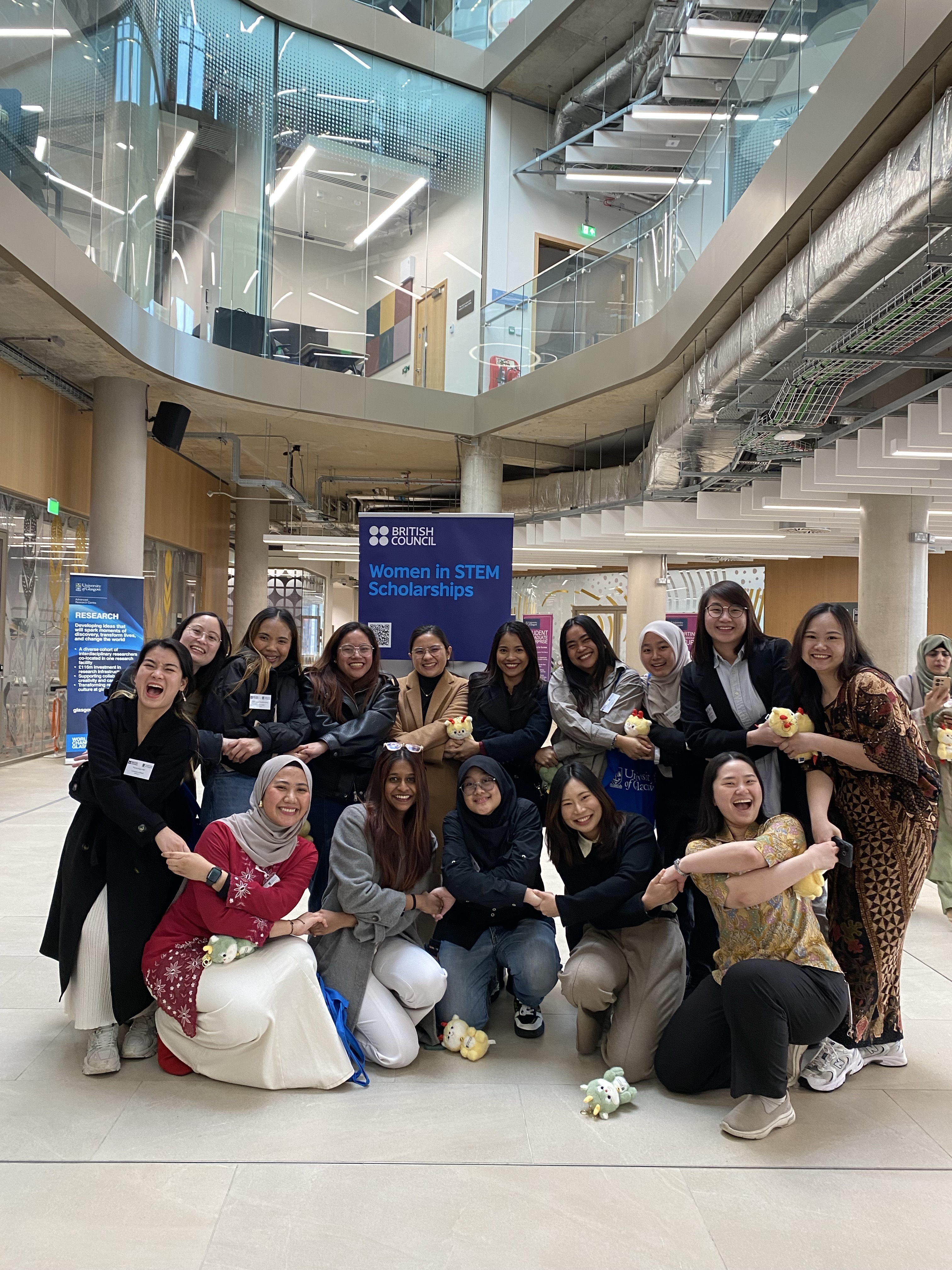
During this extensive preparation, a serendipitous encounter introduced her to the British Council Women in STEM Scholarship. Though unfamiliar at first, this opportunity resonated deeply. She applied and was subsequently accepted into the University of Bristol's MSc in Digital Health program, a testament to her dedication and the program's commitment to fostering female talent in technology and science.
Similar to Chevening, the British Council scholarship provided comprehensive financial support, covering essential costs such as tuition fees, flights, and visa expenses. This all-encompassing assistance, Saravanan notes, is invaluable, particularly for students who might otherwise face immense pressure from self-funding their education, which can significantly impact their academic focus and mental load.
Immersing in the World of Digital Health
At Bristol, Saravanan dove headfirst into the technical aspects of digital health. Her studies involved intensive coding in Python, grasping complex engineering concepts, and acquiring a skill set that is often a crucial, yet sometimes overlooked, component of successful digital health initiatives. She recognized that the integration of healthcare and technology was a vital need, particularly in her home country of Malaysia.
This conviction fueled her determination. Even amidst the uncertainties of her master's program, she held onto the belief that she could be a bridge between these two critical sectors. Her personal philosophy, which she often shares, emphasizes the importance of trusting one's intuition and remaining steadfast in one's goals, regardless of external opinions.
Discovering a Passion for Women's Health
Saravanan's journey into the specific realm of women's health was not initially planned. However, a LinkedIn post detailing her background and interests caught the attention of Menopause Asia, a startup launched with a clear mission. This organization focuses on perimenopause and menopause care, leveraging telehealth to connect women with doctors who possess a nuanced understanding of female physiology.
The complexities of perimenopause and menopause, often misunderstood and under-addressed, became a focal point for Saravanan. She explains that the physiological changes women experience, particularly the fluctuations in hormones like estrogen and progesterone, can manifest differently, even in conditions like heart attacks. This biological reality is often overlooked in medical research.
Historically, much drug research has been conducted primarily on male subjects, citing the perceived complexity of female hormonal cycles and menstrual systems. This has led to the prescription of medications tested on men to women, often resulting in adverse side effects or unexpected reactions. Saravanan acknowledges the economic drivers behind rapid drug development but argues for a more inclusive and equitable approach in the modern era.
The Rise of Femtech and the Fight for Equitable Care
Fortunately, the landscape is beginning to shift, thanks in part to the burgeoning field of femtech. Organizations like Menopause Asia, often spearheaded by women, are actively working to rectify these historical imbalances in research and care. More women doctors are specializing in and advocating for issues such as menopause, perimenopause, and Polycystic Ovary Syndrome (PCOS), challenging decades of misunderstanding and societal taboos.
This increased awareness and advocacy are empowering middle-aged women to take a more proactive role in their health. With greater body literacy, they are less likely to be dismissed or "gaslit" by healthcare providers. As Saravanan points out, demonstrating a clear market and demand for women's health solutions is crucial for gaining serious attention and investment from the broader medical and research communities.
However, a significant hurdle remains: access. Currently, comprehensive menopause care is often out of reach for individuals without adequate financial resources or insurance coverage. Saravanan's work with Menopause Asia is directly aimed at dismantling these barriers. By establishing a strong foundation for this emerging startup, she is contributing to a future where more women can access the specialized care they need and deserve.
Her vision extends beyond individual patient care, aiming to foster a systemic change where women's health is prioritized and integrated into the broader digital health ecosystem. The journey from a pharmacist's desk to the forefront of digital health innovation is a powerful narrative of how one individual's insights and determination can spark significant advancements in healthcare, particularly for underserved populations.






 Explore AI Teaching Tools
Comments (0)
Please login to comment
No comments yet
Be the first to comment on this article