
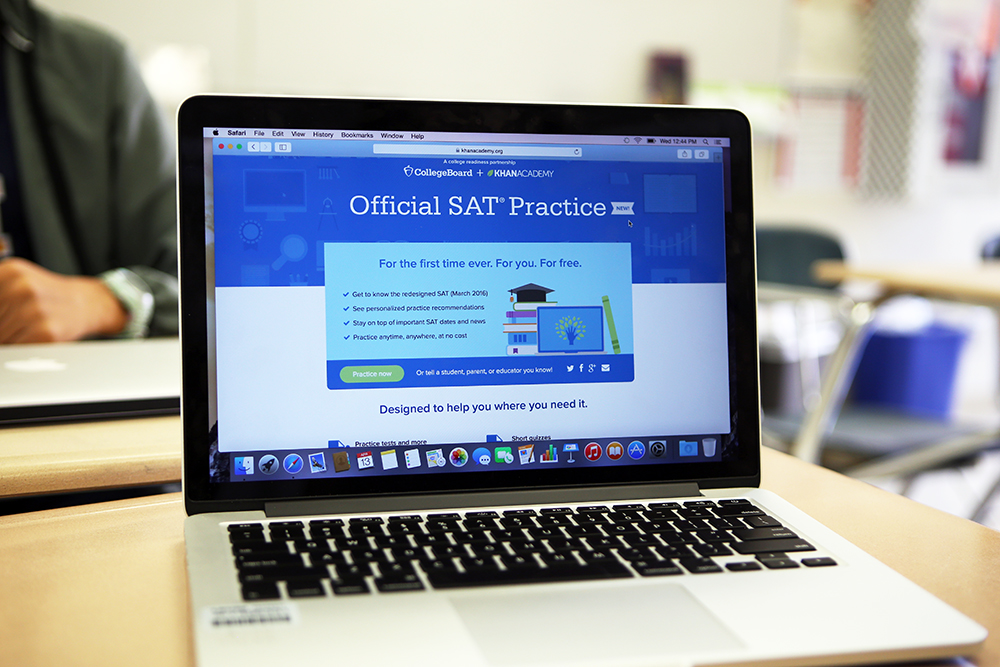
University of California Grapples with Math Readiness Crisis: Faculty Push for Standardized Test Return
A growing chasm between the mathematical skills of incoming freshmen and the demands of rigorous STEM coursework is sending shockwaves through the University of California system. More than 1,400 faculty members have now signed an open letter advocating for the reinstatement of standardized tests like the SAT or ACT as an admissions requirement, a move that could fundamentally alter the landscape of higher education admissions.
A Calculus Conundrum: When Basic Algebra Becomes a Hurdle
The scene was a typical afternoon in an Evans Hall classroom at UC Berkeley. Students, seeking help in a calculus section, found themselves stumped by a seemingly simple middle-school algebra problem: solving for 'x' in the equation 7x – 5 = 9. This anecdote, shared by math professor Zvezdelina Stankova, encapsulates a mounting concern among faculty across the UC system.
Across numerous campuses, educators report an increasing number of first-year students lacking the foundational mathematical knowledge necessary to succeed in college-level science, technology, engineering, and math majors. This preparedness gap is prompting a significant debate about the effectiveness of current admissions practices.
The Faculty's Plea: Reinstating Standardized Exams for STEM Readiness
In response to this perceived crisis, a substantial contingent of UC faculty, predominantly from STEM departments, has formally called for the reintroduction of standardized testing for freshman applicants. Their open letter, signed by over 1,400 professors, argues that the current admissions system is failing to adequately assess mathematical readiness for demanding technical fields.
The letter highlights a widening disparity in mathematical preparation levels observed within classrooms, suggesting that existing admissions criteria do not provide a reliable gauge of a student's ability to handle college-level math. This sentiment is particularly acute at world-renowned STEM institutions within the UC system.
A System in Flux: The Road to Test-Optional and Beyond
The University of California system made a landmark decision in 2020 to cease requiring the SAT and ACT for freshman admissions. This move, initially intended to broaden access, has since been followed by a settlement that solidified the elimination of these standardized exams altogether. The system's Academic Senate is now actively considering whether to recommend a reversal of this policy, a decision that would ultimately require approval from the UC Board of Regents.
The debate over reinstating standardized tests is far from settled. Critics argue that such exams can disadvantage students from lower-income backgrounds and underrepresented minority groups, potentially hindering their access to higher education. They contend that the focus should instead be on improving K-12 math education.
A UC spokesperson acknowledged the seriousness of the concerns regarding math preparation, stating that system leaders are collaborating with faculty to identify policies that will ensure students arrive academically prepared. The earliest a reinstated testing requirement could take effect would be for the fall 2028 admissions cycle, a timeline that mirrors shifts seen at other leading universities that have reintroduced standardized tests.
The Data Dilemma: Declining Scores or Shifting Metrics?
A recent report from a UC San Diego committee indicated a "steep decline in the academic preparation" of first-year students, with a significant portion exhibiting math skills below high school level, as determined by campus placement exams. This finding has fueled discussions among math department chairs across the UC system.
During a recent meeting at UC Davis, a majority of math department chairs expressed support for reinstating standardized tests as an admissions requirement. However, the lack of unanimous agreement led to a deferral of formal action by that group.
Beyond the Numbers: The Limitations of Current Admissions Tools
Faculty proponents of standardized testing argue that other components of the admissions process, such as grade point averages and essays, have become less reliable indicators of student preparedness. They point to grade inflation and the increasing prevalence of AI-generated content as factors that undermine the objectivity of these measures.
"With that, there is no objective measure for math readiness," stated Professor Stankova, underscoring the perceived void in assessing a critical academic skill.
Counterarguments and Equity Concerns: Is the Problem Overstated?
Opponents of standardized testing raise valid concerns about equity and the potential for these exams to exacerbate existing disparities. Research suggests that grades can be a stronger predictor of first-year success at elite institutions, and that standardized tests may disproportionately disadvantage Black, Latino, low-income, and first-generation students.
Since the elimination of standardized tests, the UC system has seen an increase in the enrollment of Black, Latino, and low-income students. Critics worry that reinstating these exams could reverse this progress and limit access for many deserving students.
"All it will do is keep students out of mathematics, and it may push some students, especially underrepresented students, out of the UC system," cautioned Bjorn Birnir, chair of the math department at UC Santa Barbara. He advocates for addressing preparedness issues within the high school system.
Re-examining the Evidence: Did Placement Exams Tell the Whole Story?
Some critics question the severity of the math preparedness problem as presented in certain reports. They point to changes in testing methodologies and placement criteria at institutions like UC San Diego, suggesting that these shifts, rather than a decline in student ability, may have contributed to the reported increase in students placed in lower-level math courses.
Furthermore, first-year retention rates for STEM majors at UC San Diego remain high, indicating that students are generally succeeding once admitted. This has led some to suggest that the narrative of a widespread crisis might be overstated.
Addressing the Core Issue: Declining Preparedness and Evolving Solutions
Despite differing views on the causes and solutions, there is a general consensus among educators and advocates that student preparedness, particularly in mathematics, has declined in recent years, a trend exacerbated by the disruptions of the Covid-19 pandemic.
Studies at UC Berkeley have revealed significant preparation deficits among first-semester calculus students. Similarly, UC Davis has seen a quadrupling in the number of students needing to start in precalculus over the past five years, and UC Santa Barbara reports that approximately 10% of incoming STEM majors are not ready for calculus.
The issue is not confined to a single campus; it represents a systemic challenge that requires multifaceted solutions. While some faculty advocate for the return of standardized tests, others are focused on enhancing existing support systems.
Innovative Approaches: Expanding Support and Rethinking Curriculum
Institutions are actively exploring ways to support students who enter with foundational gaps. At UC Santa Barbara, students identified as unprepared for calculus are encouraged to take a precalculus course at a local community college during the summer before their freshman year. This approach has proven effective for many.
UC Davis is also adapting its precalculus offerings. Recognizing that a single quarter may not be sufficient for all students, the campus plans to introduce a second quarter of precalculus, providing additional time and support for those who need it. Professor Nachtergaele believes that while these adjustments are valuable, they may not fully address the needs of every student, reinforcing his support for the reinstatement of standardized tests as a more comprehensive admissions tool.






 Explore AI Teaching Tools
Comments (0)
Please login to comment
No comments yet
Be the first to comment on this article