
Empowering Student Voters: Strategies for Civic Engagement in California and Beyond
The college years are a pivotal time for shaping future citizens.For many students, navigating the complexities of elections and understanding their impact can feel overwhelming amidst academic pressures and daily life.
This article explores innovative approaches being used, particularly within California's vibrant university system, to demystify the voting process, encourage participation, and empower every student to become an informed and active voter.
We'll delve into the "why" and "how" of boosting student voter turnout, offering insights valuable for learners everywhere.
1.
Bridging the Information Gap: Making Elections Accessible for Students Many students find themselves caught between a busy schedule and a deluge of political information.
Understanding key election terms, candidate platforms, and the significance of various races can be challenging.
This section explores how educational institutions and student-led initiatives are simplifying this process.
For a typical student, the demands of coursework, part-time jobs, and social commitments leave little room for in-depth political research.
This reality often leads to a knowledge gap regarding election specifics, from understanding what a "swing state" signifies to recognizing the major contenders in a presidential race.
That said, a growing recognition exists that higher education institutions have a unique opportunity to bridge this divide.
By providing accessible, engaging, and non-partisan information, campuses can transform overwhelmed students into confident voters.
Initiatives like voter registration drives, often held in high-traffic campus areas, serve as crucial first points of contact.
These events go beyond simply collecting names; they often incorporate interactive elements.
For instance, some programs offer quick quizzes to gauge students' current election knowledge, using the results as a springboard for discussion.
This approach acknowledges that many students are eager to learn but may not know where to begin.
They are often too busy to follow every debate or news cycle, but a focused, digestible introduction can spark their interest.
The Power of Peer-to-Peer Education
Student volunteers play an indispensable role in these efforts.
When peers share information, it often resonates more deeply than messages from authority figures.
They understand the unique pressures and perspectives of their fellow students.
This peer-to-peer model fosters a sense of community and shared responsibility, making the act of voting feel less like an obligation and more like a collective endeavor.
They can explain complex topics in relatable terms, demystifying concepts that might otherwise seem intimidating.
Interactive Learning Tools
Beyond traditional tables, creative methods are being employed.
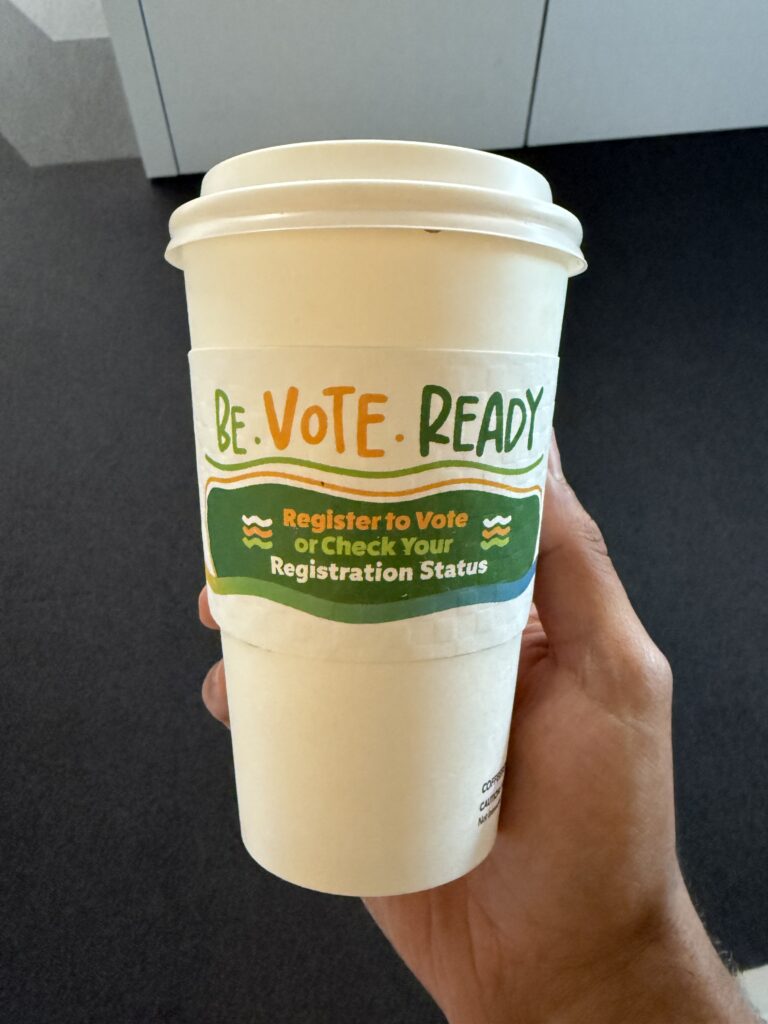
Think custom-designed coffee sleeves with QR codes linking to voter registration portals, or interactive online modules that break down ballot measures.
These "little hints and pebbles," as some educators describe them, serve as gentle reminders and accessible entry points.
They aim to spark curiosity and encourage students to take the next step in their civic journey.
The goal is not to pressure, but to inform and empower.
2.
Overcoming Apathy and Disillusionment: Engaging Disengaged Voters A significant challenge in youth voter turnout is the perception that individual votes don't matter, or that the available choices are uninspiring.
This section examines strategies to combat voter apathy and re-engage students who feel disconnected from the political process.
It's a sentiment echoed by many students: "Who am I supposed to vote for if I don't like either of them?" This feeling of disillusionment, particularly with national-level politics, can lead to a reluctance to participate.
That said, the challenge for voter outreach efforts is to acknowledge these feelings while still encouraging engagement.
The key lies in shifting the focus from potentially polarizing national races to the tangible impact of local and state elections on students' daily lives.
Highlighting Down-Ballot Impact
Many students are unaware that elections extend far beyond the presidential race.
Propositions concerning minimum wage increases, funding for educational institutions, or local housing policies can have a direct and immediate effect on their lives.
Educational campaigns are increasingly emphasizing the importance of "looking down the ballot" to discover candidates and measures that align with their personal values and concerns.
This approach helps students see the direct relevance of their vote to their immediate environment and future prospects.
Focusing on Tangible Issues
Discussions around tuition costs, job market competitiveness, and the cost of living are paramount for students.
When voter education efforts connect election outcomes to these critical issues, the relevance of voting becomes undeniable.
For example, understanding how proposed legislation might impact student loan interest rates or the availability of affordable housing can be a powerful motivator.
They are tax-paying citizens who also pay tuition, and they are concerned about the same cost of living issues as everyone else.
Creating Supportive Environments for Inquiry
Students need to feel comfortable admitting they don't know much about the election process.
Creating spaces where they can ask questions without judgment is vital.
This involves providing access to non-partisan resources and facilitating dialogues where students can explore different perspectives.
The aim is to empower them to seek out information and form their own informed opinions, rather than feeling pressured to adopt a particular viewpoint.
3.
Practical Pathways to Participation: Simplifying the Voting Process Even for engaged students, the mechanics of voting can present hurdles.
This section details practical strategies designed to make registration, ballot access, and casting a vote as straightforward as possible.
For students, especially those attending college away from their permanent residence, the logistics of voting can be complex.
Understanding where to register, how to obtain a ballot, and where to cast it are crucial pieces of information.
That said, institutions are actively working to streamline these processes and provide clear, actionable guidance.
Navigating Registration and Residency
A key point of clarification for college students is their voting residency.
They typically have the option to register in their home county or the county where they attend school.
Providing clear information on the implications of each choice and guiding them through the registration process at their current location is essential.
This ensures they can participate in elections that directly affect their campus community.
Maximizing Ballot Accessibility
Making ballots readily available is a priority.
This includes:
- On-Campus Polling and Drop-Off Locations: Establishing polling stations and ballot drop-off points directly on university campuses significantly reduces barriers for students.
This convenience is especially important for those with busy schedules or limited transportation.
- Vote-by-Mail Support: Providing information and resources for absentee voting or mail-in ballots can be a lifeline for students who are unable to vote in person.
This includes clear instructions on how to request, complete, and return their ballots.
- Early Voting Information: Highlighting early voting periods and locations allows students to cast their ballots before the pressure of Election Day, accommodating their academic and personal commitments.
Demystifying the Ballot Itself
Beyond registration and casting, understanding how to fill out a ballot correctly is important.
This includes explaining the difference between voting for a candidate and voting on a proposition, as well as understanding any specific instructions for marking the ballot.
For first-time voters, the entire experience can feel intimidating, and breaking down each step can alleviate anxiety.
4.
The Role of Institutions: Fostering a Culture of Civic Engagement universities and colleges are increasingly recognizing their responsibility in cultivating active and informed citizens.
This section explores how institutions can embed civic engagement into their culture and operations.
The recognition that higher education institutions are ideal environments for fostering civic participation is growing.
They represent a structured system where young adults are actively learning and developing.
That said, simply offering a political science course is not enough; a comprehensive approach is needed to integrate civic responsibility into the fabric of campus life.
Strategic Partnerships and Competitions
Programs like the California Secretary of State’s Ballot Bowl Competition exemplify how intercollegiate rivalry can be harnessed for positive civic outcomes.
By encouraging friendly competition among campuses to increase voter registration and participation, these initiatives tap into existing campus dynamics to drive engagement.
They create a shared goal that unites students and administrators.
Integrating Civic Education into the curriculum
While not always a direct requirement, incorporating discussions about civic duty, the electoral process, and the impact of policy into various academic disciplines can be highly effective.
This can range from analyzing historical elections in a history class to debating the economic implications of ballot measures in an economics course.
The goal is to demonstrate that civic engagement is relevant across all fields of study.
Administrative Support and Resources
University administrators play a critical role in championing voter turnout efforts.
This includes allocating resources for voter registration drives, supporting student-led initiatives, and ensuring that campus policies facilitate, rather than hinder, student voting.
When institutions prioritize civic engagement, it sends a clear message to students about its importance.
Measuring and Celebrating Success
Tracking voter turnout rates among students and celebrating achievements can further motivate participation.
Publicly acknowledging high turnout numbers and recognizing departments or student groups that excel in engagement efforts can create a positive feedback loop.
This data-driven approach allows institutions to understand what strategies are most effective and to continuously improve their outreach.
Conclusion
Empowering students to become active and informed voters is a multifaceted endeavor that requires creativity, collaboration, and a deep understanding of the student experience.
By employing innovative outreach strategies, simplifying the voting process, and fostering a supportive campus environment, educational institutions can significantly boost student voter turnout.
The efforts described, from interactive quizzes and peer-to-peer education to accessible polling locations and down-ballot issue advocacy, demonstrate a commitment to nurturing the next generation of engaged citizens.
That said, the journey towards robust civic participation is ongoing, and continuous adaptation and dedication are key to ensuring every student has the knowledge and opportunity to make their voice heard.






 Explore AI Teaching Tools
Comments (0)
Please login to comment
No comments yet
Be the first to comment on this article