
Navigating Campus Climate: UCLA's Settlement and the Fight Against Antisemitism
The landscape of higher education is constantly evolving, and recent events at UCLA have brought critical issues of campus safety, civil rights, and the pervasive challenge of antisemitism to the forefront.For students, faculty, and administrators alike, understanding these complex dynamics is paramount.
This article delves into the significant developments surrounding UCLA, exploring the legal actions, the settlement reached, and the broader implications for fostering inclusive learning environments.
We will examine how institutions can proactively address concerns related to student safety and the eradication of discrimination, drawing insights that are vital for any educational community.
Understanding the Legal Framework: Civil Rights and Campus Protests
The foundation of any discussion about campus incidents involving discrimination and civil rights lies in understanding the legal protections afforded to all students.Federal law, including Title VI of the Civil Rights Act of 1964, prohibits discrimination by institutions receiving federal funding based on race, color, or national origin.
This legislation is crucial in ensuring that all students, regardless of their background, have equal access to educational opportunities and a safe learning environment.
When allegations arise that these protections have been violated, governmental bodies often initiate investigations to determine accountability.
The U.S.
Department of Justice plays a significant role in enforcing these civil rights laws.
Investigations are typically triggered by complaints or reports of discriminatory practices.
The department's findings can lead to notices of violation, outlining specific areas where an institution has fallen short of its legal obligations.
Such notices often require institutions to engage in a process of voluntary resolution to rectify the issues identified.
Failure to reach a satisfactory agreement can result in more stringent enforcement actions, underscoring the seriousness with which these matters are treated.
The Role of the Equal Protection Clause
Beyond specific statutes, the U.S.Constitution's Equal Protection Clause provides a fundamental guarantee against discrimination by the government.
This clause ensures that individuals are treated equally under the law.
In the context of educational institutions, it means that policies and actions must not unfairly disadvantage or create a hostile environment for any group of students.
When an institution is accused of being deliberately indifferent to the creation of a hostile environment, particularly for specific student populations, the Equal Protection Clause becomes a central tenet of the legal scrutiny.
Examining the UCLA Situation: Protests, Complaints, and Allegations
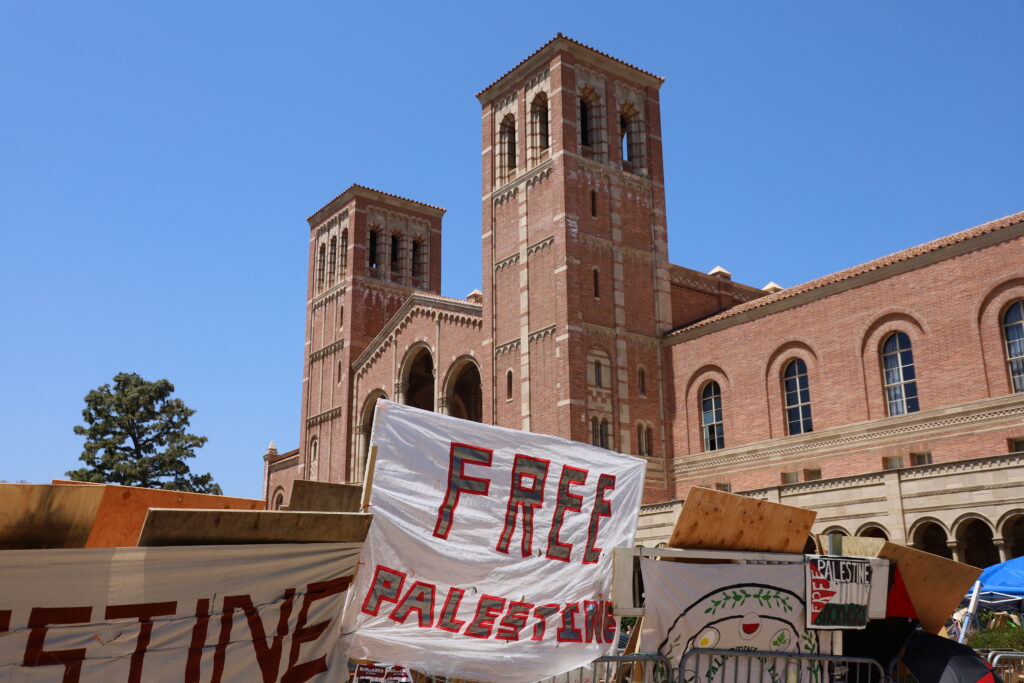
Recent events at UCLA have brought these legal principles into sharp focus.During a period of widespread campus activism, pro-Palestinian encampments were established on the UCLA campus.
These demonstrations, while exercising the right to free speech and protest, also led to significant concerns and complaints from various student groups.
Specifically, Jewish students and faculty reported feeling unsafe and experiencing a hostile environment.
Allegations included the obstruction of access to campus facilities, such as libraries and classrooms, and an atmosphere that fostered intimidation and exclusion.
The Department of Justice launched an investigation into the University of California system's response to these incidents.
The investigation aimed to ascertain whether the university had adequately protected its students from discrimination and harassment.
The findings of this inquiry were critical, leading to a formal notice of violation issued to UCLA.
This notice asserted that the campus had demonstrated "deliberate indifference" to the hostile environment faced by Jewish and Israeli students, stemming from the protest encampment and the university's response to associated complaints.
The Impact of Encampments on Campus Life
The establishment of encampments, while a form of protest, can have tangible effects on the daily lives of students.When these encampments create physical barriers or perceived threats, they can impede access to essential academic resources and create an environment where students feel unwelcome or unsafe.
Such situations raise complex questions about balancing the rights of protesters with the fundamental right of all students to access education without fear of harassment or discrimination.
The experiences of students who reported being unable to reach libraries or attend classes due to these encampments highlight the direct impact on the educational mission.
The Settlement Agreement: Financial Repercussions and Policy Changes
In parallel with the Department of Justice's actions, a separate lawsuit was filed by a group of Jewish UCLA students and a professor.This lawsuit alleged that the campus environment had become a "hotbed of antisemitism" and that the encampment effectively created a "Jew Exclusion Zone," restricting their movement and access.
This legal action culminated in a significant settlement agreement between UCLA and the plaintiffs.
The terms of the settlement involved substantial financial commitments from the university.
UCLA agreed to pay a total of $6.45 million.
This amount included individual payments of $50,000 to each of the plaintiffs, covering their legal fees and other associated costs.
A significant portion of the settlement, $2.33 million, was designated for charitable contributions to Jewish-focused nonprofit organizations.
These organizations, such as Hillel at UCLA and the Anti-Defamation League, play a vital role in supporting the Jewish community on campus and combating antisemitism.
An additional $320,000 was allocated to a new UCLA initiative specifically designed to combat antisemitism.
Key Provisions of the Settlement
Beyond the financial aspects, the settlement included crucial policy commitments from UCLA.The university agreed to a prohibition against "knowingly allowing or facilitating the exclusion of Jewish students, faculty, and/or staff from ordinarily available portions of UCLA’s programs, activities, and/or campus areas." This provision directly addresses the concerns raised by plaintiffs regarding restricted access and aims to ensure that all members of the community can participate fully in campus life.
The joint statement from the plaintiffs and defendants expressed satisfaction with the terms, viewing them as demonstrating "real progress in the fight against antisemitism" and a commitment to fostering a safe and inclusive environment.
The Department of Justice's Notice of Violation: A Call for Resolution
The Department of Justice's notice to UCLA served as a formal declaration of its findings regarding the university's alleged violation of civil rights law.The notice stated that UCLA was "deliberately indifferent to the hostile environment for Jewish and Israeli students created by the protest encampment." This finding is significant as it points to a failure in the university's responsibility to protect its students.
The DOJ set a deadline of August 5 for UCLA to begin working towards a "voluntary resolution agreement." This process is designed to allow the institution to address the identified issues proactively and cooperatively.
The DOJ indicated that if a satisfactory resolution could not be reached by September 2, it was prepared to file a complaint in federal district court.
While the notice did not specify potential fines or disciplinary measures, past actions by the Department of Justice in similar cases suggest that repercussions can be substantial.
The department's stated intention is to hold institutions accountable for creating or allowing environments that put Jewish Americans at risk and to continue its investigations into other campuses facing similar allegations.
Understanding "Deliberate Indifference"
The concept of "deliberate indifference" is a critical legal standard.It implies that an institution was aware of a problem, such as a hostile environment, and consciously disregarded its duty to take reasonable steps to address it.
In the context of civil rights, proving deliberate indifference requires demonstrating that the institution's inaction was not merely an oversight but a conscious choice to ignore a known risk or violation.
This standard places a significant burden on institutions to have robust policies and responsive mechanisms in place to protect all students.
Broader Implications for Educational Institutions
The situation at UCLA and the subsequent legal actions have far-reaching implications for educational institutions across the globe.They underscore the critical importance of: * **Proactive Policy Development:** Institutions must have clear, comprehensive, and regularly updated policies addressing discrimination, harassment, and hate speech.
These policies should outline reporting procedures, investigation protocols, and disciplinary actions. * **Responsive Incident Management:** When incidents of discrimination or harassment are reported, institutions must respond promptly and effectively.
This includes conducting thorough investigations, providing support to affected students, and taking appropriate remedial actions. * **Fostering Inclusive Environments:** Creating a campus climate where all students feel safe, respected, and valued is an ongoing effort.
This involves promoting dialogue, educating the community about diversity and inclusion, and actively combating all forms of prejudice, including antisemitism. * **Understanding Legal Obligations:** Educational leaders and administrators must have a firm grasp of federal, state, and local laws pertaining to civil rights and student safety.
Staying informed about legal precedents and regulatory guidance is essential for compliance. * **Balancing Rights:** Institutions often navigate the complex task of balancing the rights of students to protest and express their views with the need to ensure the safety and well-being of the entire student body.
This requires careful consideration of the impact of protest activities on campus life.
The Role of Mentofy in Addressing Campus Climate Challenges
Platforms like Mentofy are instrumental in equipping students, educators, and administrators with the knowledge and skills needed to navigate these complex issues.Through courses and resources focused on leadership, ethics, civil rights, and conflict resolution, Mentofy empowers individuals to understand their rights and responsibilities, develop effective communication strategies, and contribute to building more inclusive and equitable learning environments.
By providing access to expert-led content, Mentofy helps foster a proactive approach to addressing challenges related to campus climate and the fight against discrimination.
Conclusion: Moving Forward Towards Safer Campuses
The events at UCLA serve as a stark reminder of the ongoing challenges faced by educational institutions in ensuring a safe and inclusive environment for all students.The settlement agreement and the Department of Justice's notice highlight the serious consequences of failing to adequately address concerns of antisemitism and other forms of discrimination.
For students, understanding their rights and the legal protections available is crucial.
For universities, the imperative is clear: to strengthen policies, enhance responsiveness, and cultivate a campus culture that actively rejects prejudice and champions inclusivity.
By learning from these experiences and committing to continuous improvement, educational institutions can move closer to fulfilling their mission of providing a secure and equitable space for learning and growth for every student.







 Explore AI Teaching Tools
Comments (0)
Please login to comment
No comments yet
Be the first to comment on this article