
Unlocking Universal Pre-K: The Crucial Role of Classroom Infrastructure for Transitional Kindergarten Success
The aspiration to provide high-quality early education for all four-year-olds is a noble goal, promising enhanced learning outcomes and equitable opportunities.
However, a critical, often overlooked, barrier stands in the way of this vision: the availability of suitable classrooms.
Without the right physical spaces, the expansion of transitional kindergarten (TK) programs, designed to serve every child, faces significant hurdles.
This article delves into the intricate challenges school districts encounter in creating these essential learning environments and explores how thoughtful planning and investment are paramount to realizing the full potential of universal pre-kindergarten.
The Growing Demand for Transitional Kindergarten
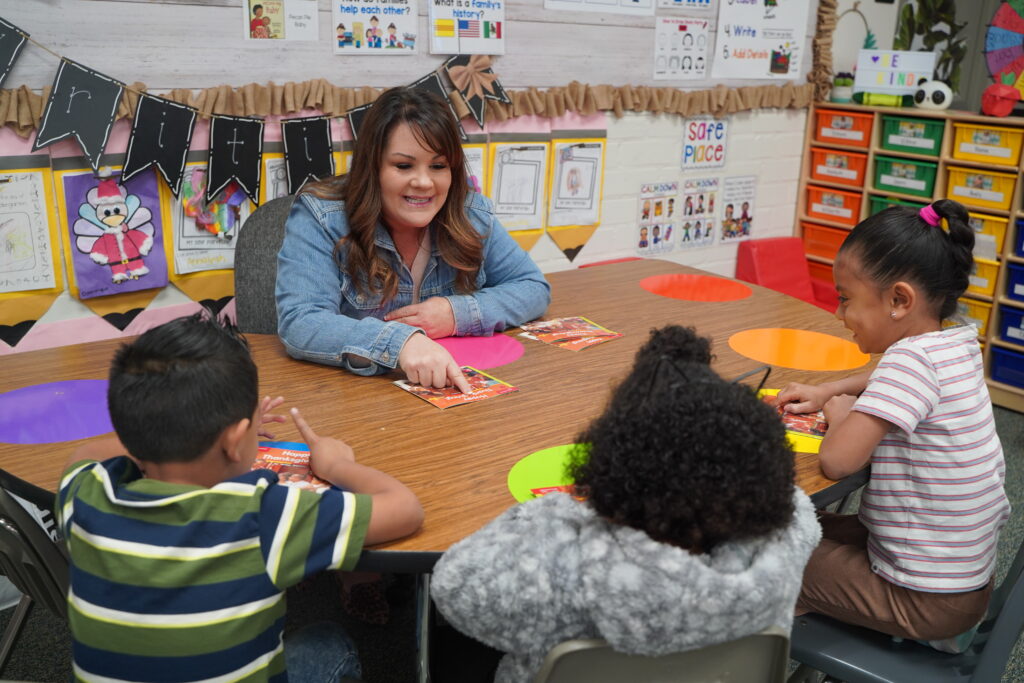
Transitional kindergarten represents a vital step in a child's educational journey, offering a bridge between preschool and traditional kindergarten.
The initiative to expand these programs aims to ensure that all four-year-olds have access to a foundational learning experience, a move that has been lauded for its potential to boost school enrollment and establish universal preschool access.
As this program expands, the need for dedicated, age-appropriate learning spaces becomes increasingly apparent.
The success of this ambitious educational reform hinges not just on policy and curriculum, but fundamentally on the physical infrastructure that houses these young learners.
Many school districts are grappling with the reality of accommodating a surge in demand for TK.
While the concept is widely supported, the practical implementation often hits a wall when it comes to physical space.
Some districts find themselves entirely without the capacity to add new TK classes, while others, particularly those in less resourced areas, lack the basic amenities required for four-year-olds.
This includes essential features like child-sized toilets and safe, engaging playground equipment.
The disparity in available facilities can lead to significant inequities in educational access, directly impacting the quality of instruction young children receive.
Studies indicate that a lack of adequate facilities can result in inequitable outcomes for students.
When school districts are asked to create new educational programs, such as transitional kindergarten, without the necessary financial backing for the physical spaces, the result is often a patchwork of provision.
This means that while some students may benefit from well-equipped, purpose-built classrooms, others may be relegated to spaces that are not ideal for their developmental needs.
The state's commitment to investing in the facilities that support these crucial educational initiatives is therefore not just a matter of convenience, but a fundamental requirement for equitable access.
Navigating the Space Squeeze: District-Level Challenges
The challenge of finding adequate classroom space for transitional kindergarten is a widespread issue affecting school districts across various regions.
In some urban centers, for instance, districts are actively losing potential TK students simply because there isn't enough room at their neighborhood schools.
This situation can force families to make difficult choices, sometimes opting to delay their child's entry into the school system or seek alternative, often private, educational settings.
The ripple effect of this capacity issue can be substantial, impacting enrollment projections and the overall effectiveness of the TK program.
One common scenario involves elementary schools that have very few, or sometimes no, dedicated TK classrooms.
This scarcity means that many children who are eligible and eager to participate in the program may find themselves on waiting lists, or their families may be offered spots at schools far from their homes.
The logistical challenges and the desire for consistency in a child's early education often lead families to decline these distant placements, even if it means foregoing the benefits of a public TK program.
This highlights a critical point: the convenience and proximity of a school play a significant role in family decisions, and when TK classrooms are not available at local schools, it creates a barrier to access.
The demand for TK can also be highly variable across different schools within the same district.
Some schools might be inundated with applications, far exceeding the number of available seats, while others may have surplus capacity.
This uneven distribution of demand and supply is not always a simple matter of accommodating all interested students.
Family preferences for specific schools, often driven by proximity, existing social networks, or perceived school quality, can lead to situations where families decline offers at schools outside their preferred catchment area.
This complex interplay of capacity, demand, and family choice underscores the nuanced challenges districts face in building out TK-appropriate classroom spaces.
The Impact of Family Choice and Preference
When a child is offered a transitional kindergarten spot at a school that is not their preferred choice, especially if it is significantly distant, families often face a dilemma.
The prospect of a lengthy commute, coupled with the desire to maintain consistency in their child's educational journey, can lead them to decline the offered placement.
The idea of transitioning a child multiple times – from a distant TK program to a closer kindergarten – can be a deterrent.
Parents often seek stability for their young children, and frequent shifts in their educational environment can be disruptive.
This preference for neighborhood schools and the avoidance of multiple transitions are significant factors that contribute to lower-than-expected TK enrollment in some districts, even when seats are technically available elsewhere.
The number of children who apply for TK but ultimately do not enroll can be substantial.
This figure often represents a significant percentage of the total projected TK enrollment for a given year.
These children may remain in private preschools, or their parents may choose to wait until traditional kindergarten to enroll them in the public school system.
This situation not only impacts the intended reach of the TK program but also represents a missed opportunity for these children to benefit from early, structured learning experiences.
The underlying issue often traces back to the availability of suitable classrooms within their local school communities.
Rethinking Space: Creative Solutions and Their Limitations
In response to the pressing need for TK classrooms, some districts are exploring innovative ways to utilize existing infrastructure.
This can include repurposing underutilized or closed elementary school campuses and transforming them into dedicated early childhood centers.
These centers can serve both transitional kindergarten and younger preschool-aged children, consolidating resources and creating specialized learning environments.
Some districts are prioritizing students from neighborhoods that lack TK classrooms at their local schools, ensuring that these underserved communities receive equitable access to early education opportunities.
However, the effectiveness of such creative solutions is often constrained by the fundamental question of space quality and suitability.
While a building may be physically present, its condition and appropriateness for young children are paramount.
Research indicates that simply having empty space is not enough; the space must be adaptable and meet the specific requirements for early childhood education.
This includes considerations for safety, accessibility, and the provision of essential amenities.
The "devil is in the details" when it comes to identifying and preparing these spaces, and the cost and effort involved in transforming them can be significant.
The challenge extends beyond mere square footage.
State guidelines for TK and kindergarten classrooms are often more stringent than those for older grades.
These guidelines typically mandate features such as bathrooms with toilets sized for young children and minimum classroom dimensions.
Renovating existing spaces to meet these requirements can be a complex and costly undertaking.
In some instances, the lack of adequate facilities forces districts to offer only half-day TK sessions, which may not meet the childcare needs of working parents, further limiting enrollment.
The Bathroom Dilemma: A Significant Hurdle
A recurring challenge cited by school districts is the inability to provide bathrooms directly connected to TK classrooms.
When a classroom lacks an attached restroom, a staff member must accompany each child to the nearest available bathroom.
This requirement adds a significant layer of logistical complexity and staffing burden.
It diverts valuable teacher time away from instruction and supervision, impacting the overall efficiency of the classroom.
For districts striving to maximize instructional time and provide the best possible learning environment, the absence of integrated bathrooms presents a substantial obstacle.
This issue is particularly acute in districts that are trying to expand their TK offerings rapidly.
The need for these specific facilities can slow down the pace of expansion, even when there is a clear demand from families.
The state's phased approach to TK expansion, while well-intentioned, can be further hampered by these infrastructural limitations.
Districts that are eager to serve all eligible four-year-olds may find themselves unable to do so due to the lack of appropriate classroom setups, including essential bathroom facilities.
The Funding Gap: A Critical Barrier to Expansion
The expansion of transitional kindergarten is significantly hampered by a persistent funding gap.
School districts are often faced with difficult choices when it comes to creating adequate TK facilities.
They must decide whether to renovate existing classrooms, demolish and rebuild entirely new ones, or purchase portable structures.
Each of these options carries a substantial financial implication, and the question of where the money will come from is a constant concern for district administrators.
Compounding this issue, overall facilities funding has seen reductions, and dedicated funding streams for transitional kindergarten facilities have been depleted.
While the state has provided grants in previous years to support the construction and retrofitting of early education facilities, including those for TK, these funds have often been oversubscribed, meaning demand far exceeded the available resources.
Promised future funding has been delayed and, in some cases, eliminated from the budget altogether.
This creates an environment of uncertainty and makes it exceedingly difficult for districts to plan and invest in the necessary infrastructure.
The lack of consistent and sufficient funding directly jeopardizes the ability of school districts to provide the appropriate learning environments that transitional kindergarten students require.
Without adequate investment, the goal of equitable access to high-quality early education remains out of reach for many.
This situation puts at risk the very foundation of the TK program, impacting the quality of education and the developmental opportunities available to young children.
Inequity in Facilities Funding and Property Wealth
The ability of a school district to undertake significant facility upgrades, such as adding bathrooms or reconfiguring classrooms, is often intrinsically linked to its local property wealth.
Districts with a higher property tax base have a greater capacity to secure capital funding by going to their voters for bond measures or by tapping into existing bond initiatives.
Conversely, districts with less property wealth face significant limitations in their ability to finance these essential improvements.
This disparity creates a cycle of inequity, where wealthier districts can more readily provide the necessary infrastructure for TK, while less affluent districts struggle to keep pace.
For smaller districts, the challenges can be even more pronounced.
Some may not have the classroom space to serve transitional kindergartners at all their sites, forcing them to bus children to a single central location, often far from their homes.
In some instances, superintendents have expressed concerns about their ability to offer transitional kindergarten at all due to these facility constraints.
The struggle to secure funding for even basic amenities, such as playgrounds for new TK buildings, highlights the deep financial challenges faced by many districts.
When a district's property value slightly exceeds a threshold for full state financial assistance, they may be unable to afford their portion of the project costs, further hindering progress.
Strategic Planning for Transitional Kindergarten Classrooms
Successfully expanding transitional kindergarten requires a strategic and forward-thinking approach to facilities planning.
Districts must move beyond simply identifying available spaces and instead focus on creating environments that are purpose-built for the unique needs of four-year-olds.
This involves a comprehensive assessment of current infrastructure, projected enrollment figures, and the specific requirements outlined by state guidelines for early childhood education.
One crucial element of strategic planning is the proactive allocation of resources.
This means anticipating the need for TK classrooms well in advance of enrollment surges and securing the necessary funding for construction, renovation, and equipping these spaces.
Districts that have successfully navigated these challenges often do so by integrating TK facility needs into their long-term capital improvement plans.
This might involve:
- Conducting thorough demographic studies to accurately project future enrollment.
- Analyzing existing school sites for potential expansion or repurposing opportunities.
- Prioritizing the creation of age-appropriate facilities, including dedicated bathrooms and safe outdoor play areas.
- Exploring partnerships with local government or community organizations to leverage additional resources.
Furthermore, districts should consider the flexibility of their classroom designs.
As educational methodologies evolve and the needs of young learners are better understood, the ability to adapt existing spaces will become increasingly valuable.
This might involve modular designs or multi-purpose areas that can serve various educational functions.
The goal is to create learning environments that are not only compliant with current regulations but also conducive to innovative teaching and holistic child development.
The Importance of Dedicated Funding Streams
The elimination or delay of promised funding for transitional kindergarten facilities underscores a critical need for dedicated and reliable funding streams.
Relying on general facilities budgets or ad-hoc grants can create instability and hinder long-term planning.
A more sustainable approach would involve establishing specific funding mechanisms that are earmarked for early childhood education infrastructure.
This could take the form of:
- State-level bonds specifically allocated for TK and preschool facilities.
- Dedicated portions of existing education funding that are designated for early learning infrastructure.
- Incentive programs for districts that invest in high-quality TK classroom development.
When legislation mandates the expansion of programs like transitional kindergarten, it is imperative that it is accompanied by commensurate financial support for the physical infrastructure required to implement them.
Without this crucial link, the ambitious goals of universal early education risk being undermined by practical limitations.
The experience of districts that have had to divert funds from other essential projects to accommodate TK expansion serves as a stark reminder of the need for integrated and adequate financial planning.
Conclusion
The journey towards universal transitional kindergarten is intrinsically tied to the availability of appropriate and well-equipped classrooms.
While the educational benefits of TK are widely recognized, the practical challenges of creating suitable learning spaces present a significant hurdle for many school districts.
From the need for child-sized facilities and integrated bathrooms to the substantial financial investment required for construction and renovation, the infrastructure aspect of TK expansion cannot be underestimated.
Districts that are under-resourced often face inequitable outcomes, highlighting the critical need for sustained state investment in facilities.
By prioritizing strategic planning, securing dedicated funding streams, and exploring innovative solutions, educational leaders can work towards ensuring that every four-year-old has access to the high-quality learning environment they deserve, transforming the vision of universal pre-kindergarten into a tangible reality.






 Explore AI Teaching Tools
Comments (0)
Please login to comment
No comments yet
Be the first to comment on this article