
Reclaiming the Narrative: How Higher Education is Fighting Back Against Skepticism
In an era where the value and accessibility of higher education are increasingly scrutinized, universities and colleges are stepping out of the shadows to champion their indispensable role.For years, the discourse surrounding higher education has been dominated by concerns about cost, return on investment, and perceived relevance.
This has led to a decline in public confidence and enrollment figures.
However, a significant shift is underway as institutions are actively engaging in strategic communication and demonstrating their profound impact on individual lives and societal progress.
This article explores the evolving landscape of higher education's public relations, highlighting how these esteemed institutions are now proactively defending their value and fostering renewed trust.
The Shifting Sands of Public Perception: Understanding the Challenges
For a considerable period, the narrative surrounding higher education has been shaped by external forces, often focusing on its perceived shortcomings rather than its achievements.Studies indicate a notable decrease in the proportion of Americans who consider college "very important," a stark contrast to a decade ago.
This sentiment is further fueled by persistent questions about "college value," "college cost," and the tangible "college return on investment," which continue to trend in public discourse.
The direct pathway from high school to college has also seen a decline, suggesting a growing hesitancy among prospective students and their families to commit to higher education.
The reasons for this erosion of confidence are multifaceted.
External pressures, including significant cuts in federal research funding and policy shifts impacting diversity initiatives and international student access, have created an environment of uncertainty.
Furthermore, state legislatures have, at times, imposed their own restrictions, contributing to a broader sense of skepticism.
Insiders and advocates concede that the higher education sector has, until recently, been largely silent in the face of these mounting criticisms, allowing a less favorable narrative to take root.
This has made it increasingly challenging for institutions to convey the profound benefits that a college education offers.
The Impact of Negative Narratives
When the prevailing message focuses on the high cost of tuition and the uncertainty of post-graduation employment prospects, it becomes significantly harder for institutions to break through the noise and articulate their true value.This has led to a situation where the narrative has, in many ways, been crafted by others, rather than being proactively shaped by the institutions themselves.
This passive approach has allowed doubts to fester and public trust to wane, creating a significant hurdle for colleges and universities seeking to attract students and maintain public support.
The Dawn of a New Era: Higher Education's Strategic Response
Recognizing the urgent need to reclaim their narrative, universities and colleges are launching comprehensive initiatives to highlight their vital contributions.This proactive approach signifies a departure from their previous reticence and demonstrates a commitment to engaging directly with the public about the enduring importance of higher education.
These efforts are not merely about marketing; they are about re-establishing a clear understanding of the profound impact that colleges and universities have on individuals, communities, and the nation as a whole.
Showcasing Tangible Impact: Beyond the Ivory Tower
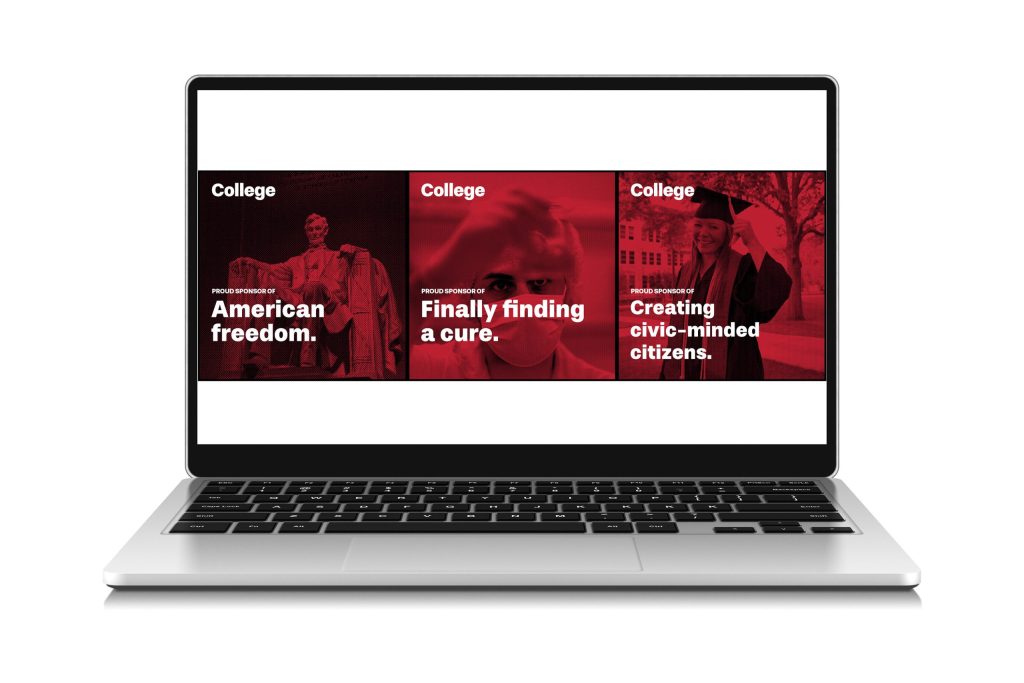
One of the most effective strategies emerging is the focus on demonstrating the concrete outcomes of higher education.Instead of solely showcasing idyllic campus scenes, many institutions are now highlighting how their research and academic programs directly contribute to societal well-being and economic advancement.
For example, campaigns are emerging that illustrate how university research leads to life-saving medical breakthroughs, drives technological innovation, and fuels national economic growth.
This shift in focus aims to connect the abstract concept of higher education with tangible benefits that resonate with the public.
Leveraging Alumni Voices: Powerful Testimonials of Success
Alumni represent a powerful and credible source of evidence for the true value of postsecondary education.Many institutions are now actively featuring their graduates, sharing their success stories and demonstrating how their college experiences have shaped their careers and lives.
Survey results are being publicized, showcasing the high levels of satisfaction among graduates with their education and career trajectories.
These testimonials serve as compelling proof points, illustrating the transformative power of a college degree and the positive impact it has on individuals' earning potential and overall well-being.
Highlighting Research and Innovation: Fueling Progress
Research conducted within universities and colleges is often at the forefront of scientific discovery and technological advancement.Recognizing that this vital work was previously assumed to be self-evident, institutions are now making a concerted effort to communicate the significance of their research endeavors to a broader audience.
Campaigns like "Research Saves Lives" exemplify this commitment, aiming to raise awareness about the critical role that university-led research plays in addressing global challenges and improving the human condition.
By making these efforts visible, higher education is reinforcing its position as a crucial engine of innovation and progress.
Strategies for Rebuilding Trust and Engagement
The journey to rebuild public trust and re-establish the perceived value of higher education requires a multifaceted approach.It involves not only communicating achievements but also addressing legitimate concerns and demonstrating a commitment to continuous improvement.
The Power of Collective Action: Unified Voices for Greater Impact
While individual institutions are stepping up, there is a growing recognition that a unified voice can amplify the message and create a more substantial impact.Industry associations are playing a crucial role in aligning messages and fostering collaboration among colleges and universities.
The idea is that by standing together, institutions can present a stronger, more cohesive front, mitigating the risk associated with individual pronouncements.
This collective approach aims to demonstrate solidarity and a shared commitment to the future of higher education.
Addressing the "Product Problem": Enhancing Outcomes and Affordability
Beyond communication strategies, higher education institutions are increasingly acknowledging the need to address fundamental issues that contribute to public skepticism.This includes examining the "product problem" – the legitimate questions surrounding the outcomes and return on investment for the cost of education.
Initiatives are underway to improve student support services, enhance career counseling, and explore ways to make education more affordable and accessible.
For instance, understanding that student debt remains a significant concern, institutions are focusing on strategies to manage debt and improve networking opportunities with employers.
Embracing Transparency and Dialogue: Open Communication for a Stronger Future
Effective communication in higher education is evolving to embrace greater transparency and open dialogue.Institutions are recognizing that engaging with the public, addressing concerns directly, and being open about challenges are crucial for rebuilding trust.
This involves actively participating in conversations about the role and value of higher education, rather than retreating from them.
By fostering an environment of open communication, colleges and universities can demonstrate their commitment to accountability and continuous improvement, ultimately strengthening their relationship with the communities they serve.
The Evolving Landscape of Higher Education Marketing and Communications
The shift in strategy for higher education institutions is evident in their marketing and communications efforts.While significant resources have historically been allocated to student recruitment, there is a growing emphasis on broader public engagement and value articulation.
Investing in Public Relations: A Strategic Imperative
The allocation of resources towards marketing and communications within higher education has seen a notable increase.However, the focus is shifting from solely attracting applicants to a more comprehensive approach that includes addressing public perception and demonstrating societal impact.
This strategic investment is crucial for countering negative narratives and proactively shaping a positive image.
The understanding is that effective public relations is no longer a secondary concern but a critical imperative for the sustained success and relevance of higher education.
Data-Driven Insights: Understanding Consumer Sentiment
To effectively engage with the public, higher education institutions are increasingly relying on data-driven insights to understand consumer sentiment.This involves analyzing trends in public opinion, tracking search data related to college value and cost, and gathering feedback from students, alumni, and the broader community.
By understanding what concerns the public and what resonates with them, institutions can tailor their messages and initiatives to be more impactful and relevant.
This data-informed approach is essential for navigating the complexities of public perception.
Conclusion: A Resilient Future for Higher Education
The challenges facing higher education are undeniable, but the sector's response is a testament to its resilience and adaptability.By actively engaging in strategic communication, showcasing tangible impact, leveraging alumni voices, and addressing core concerns, universities and colleges are demonstrating their unwavering commitment to their mission.
The shift from a defensive posture to a proactive one signifies a crucial turning point.
As higher education emerges from a period of intense scrutiny, its renewed commitment to transparency, dialogue, and demonstrating its profound value promises to foster a stronger, more trusted future for learners and society alike.
The journey ahead requires continued innovation and a steadfast dedication to proving that higher education remains an indispensable pillar of progress and opportunity.





 Explore AI Teaching Tools
Comments (0)
Please login to comment
No comments yet
Be the first to comment on this article