
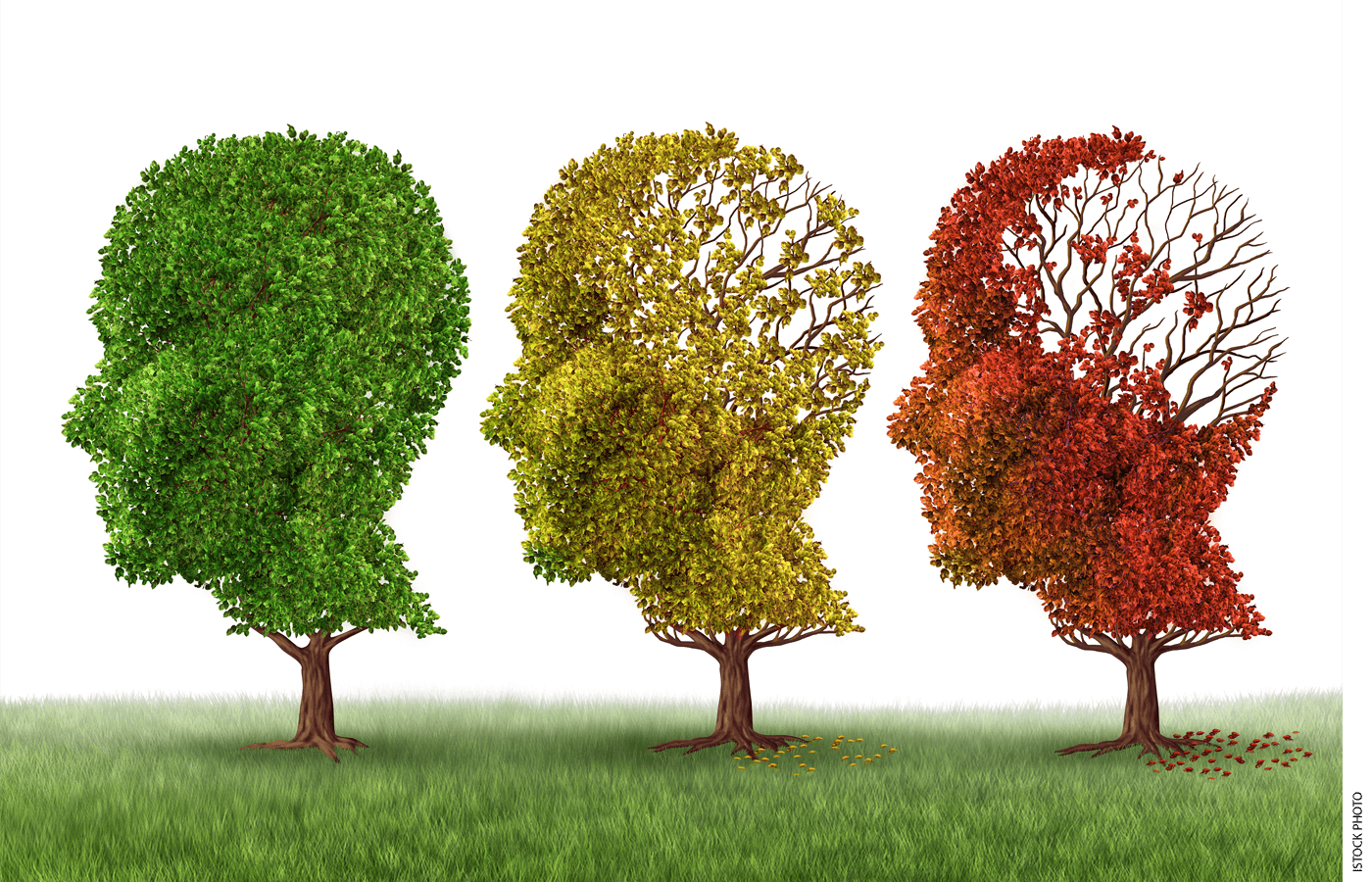
Unlocking the Brain's Secrets: How Memory Science Empowers Education
In the dynamic world of learning, understanding the intricate mechanisms of memory is paramount.
This article delves into the fascinating science behind how we remember, drawing parallels to the educational landscape and offering insights for students and educators alike.
We will explore the fluid nature of memory, its susceptibility to influence, and how this knowledge can be leveraged to foster deeper learning and critical thinking.
Prepare to embark on a journey that illuminates the profound connection between neuroscience and effective education.
The Fluidity of Memory: More Than Just Storage
For generations, memory was often conceptualized as a static filing cabinet, where information was stored and retrieved.
However, contemporary research, particularly from pioneers in brain science, reveals a far more dynamic and malleable process.
Studies indicate that memories are not simply recalled; they are actively reconstructed each time they are accessed.
This means that every act of remembering is, in essence, an act of re-creation, subtly altering the original memory trace.
This astonishing malleability has profound implications for how we approach learning.
If memories are rebuilt with each retrieval, then the context, emotional state, and even the information presented during recall can influence the memory itself.
This challenges the traditional notion of rote memorization as a purely passive process.
Instead, it suggests that the very act of trying to remember can embed new nuances or even inaccuracies into our recollections.
Consider significant historical events that many individuals vividly recall.
While the core details might seem fixed, research shows that even these deeply ingrained memories can be surprisingly susceptible to subtle alterations over time.
For instance, details about the sequence of events or the exact visual information perceived might have been unconsciously updated with later information that became more readily available.
This highlights that what we believe to be an accurate recollection might, in fact, be a composite, influenced by subsequent exposure to related information.
The Role of Emotion in Memory Encoding
A crucial aspect of memory formation is its inextricable link to emotion.
Research consistently shows that experiences imbued with strong emotional content are more likely to be encoded and retained.
This is because emotional centers in the brain, such as the amygdala, play a significant role in strengthening memory consolidation.
Positive or negative emotional responses associated with learning can become an integral part of the memory itself, influencing future recall and even shaping our attitudes towards the subject matter.
This understanding is particularly vital for educators.
Creating a learning environment that fosters positive emotional engagement can significantly enhance students' ability to remember and internalize information.
When students feel a sense of curiosity, accomplishment, or connection to the material, their memories of that learning experience are likely to be more robust and enduring.
Conversely, negative emotional experiences, such as anxiety or frustration, can hinder memory formation and lead to a reluctance to engage with the subject in the future.
Navigating the Digital Age: Memory and Misinformation
In an era saturated with digital information, the fluid nature of memory presents a unique set of challenges, particularly concerning the spread of misinformation.
The constant barrage of narratives, images, and short-form content online can easily influence our perception of reality and even reshape our understanding of past events.
When individuals are exposed to conflicting accounts or deliberately misleading information, their memories can be subtly rewired to align with the dominant or most frequently encountered narrative.
This phenomenon extends beyond simple factual recall.
Our sense of "truth" about complex societal or political events can be significantly altered by the information we consume.
When we rely on diverse and often competing sources of authority or influence, we may internalize different versions of reality.
The brain, in its effort to create coherence, may settle on a particular interpretation as the incontrovertible "truth," even if it deviates from objective facts.
The implications for education are substantial.
Helping students develop the critical thinking skills necessary to discern fact from fiction is no longer just an academic exercise; it is a fundamental requirement for navigating the modern world.
This involves teaching them to question sources, evaluate evidence, and understand how their own memories might be influenced by external factors.
The ability to hold firmly to the notion of objective truth is under unprecedented pressure, making educational interventions in this area more critical than ever before.
Strategies for Building Resilient Memories
Given the malleability of memory and the pervasive nature of misinformation, educators and students alike can benefit from adopting strategies that foster more robust and accurate recall.
The science of memory suggests that active engagement and spaced repetition are far more effective than passive cramming.
- Active Recall: Instead of simply rereading notes, students should actively test themselves on the material.
This forces the brain to retrieve information, strengthening the memory pathways.
This can involve flashcards, practice quizzes, or explaining concepts to someone else.
- Spaced Repetition: Revisiting information at increasing intervals over time is crucial for long-term retention.
Instead of reviewing material all at once, breaking it down into shorter sessions spread across days, weeks, and months significantly improves memory consolidation.
- Elaboration and Connection: Encouraging students to connect new information to existing knowledge and to explain concepts in their own words helps create richer, more interconnected memory networks.
This makes information more meaningful and easier to retrieve.
- Contextual Learning: Learning in varied contexts can help make memories more accessible.
When information is associated with multiple cues and environments, it becomes more resilient to forgetting.
- Mindfulness and Metacognition: Developing an awareness of one's own thinking processes (metacognition) can help students identify when their memories might be unreliable or when they are susceptible to external influences.
Practicing mindfulness can also improve focus and reduce cognitive load, aiding in memory encoding.
The Neuroscience of Learning: Insights from Ramirez's Work
Pioneering research in neuroscience, exemplified by the work of scientists like Steve Ramirez, offers profound insights into the intricate workings of memory.
Ramirez's exploration into how memories are formed, edited, and even potentially altered, provides a compelling framework for understanding the educational implications of our cognitive processes.
His work, while often focused on potential therapeutic applications for neurological conditions, contains valuable lessons for the field of education.
Ramirez's research emphasizes that memories are not fixed recordings but rather dynamic constructs that are rebuilt and modified each time they are recalled.
This perspective challenges traditional educational approaches that may rely too heavily on the idea of information being passively absorbed and stored.
Instead, it highlights the importance of active learning processes that engage students in the reconstruction and reinforcement of knowledge.
The scientific rigor and detailed methodology employed in laboratory science, as described by Ramirez, offer a stark contrast to some of the more generalized or agenda-driven discussions that can sometimes permeate educational research.
The precision required in experimental neuroscience underscores the value of evidence-based practices and a methodical approach to understanding learning phenomena.
This meticulous attention to detail is a valuable model for educators seeking to refine their pedagogical strategies.
Visualizing Memory: Engrams and Their Significance
Neuroscience has made significant strides in visualizing the physical traces of memory, known as engrams.
Techniques that allow researchers to identify and even manipulate specific neural circuits associated with particular memories offer a tangible understanding of how our past experiences are encoded in the brain.
For example, the ability to "tag" specific cells in the amygdala with fluorescent proteins, as described in some research, allows scientists to visualize the neural basis of emotional memories.
While these advanced techniques are primarily used in laboratory settings, the underlying principle is crucial for education.
It reinforces the idea that learning creates physical changes in the brain.
Understanding that memories have a biological basis can empower students to take ownership of their learning and recognize the importance of consistent effort in strengthening these neural connections.
For educators, it underscores the need to create learning experiences that are not only engaging but also conducive to the formation of strong, lasting neural pathways.
Implications for Pedagogy and Classroom Practice
The scientific understanding of memory's fluidity has direct and significant implications for how we design and implement educational strategies.
The concept of "cognitive load," while important, often overlooks the dynamic nature of how information is retained and recalled.
If memories are constantly being rebuilt, then the goal of education should not solely be about delivering information but about fostering robust, adaptable, and accurate memory construction.
This perspective suggests a shift in pedagogical focus.
Instead of solely concentrating on the volume of information presented, educators might consider strategies that promote deeper processing, critical evaluation, and emotional engagement.
The goal is to equip students with knowledge that is not only accessible but also resilient to the distortions that can arise from misinformation or the passage of time.
Furthermore, the inherent emotional component of memory offers a powerful opportunity for synergy between those focused on academic rigor and those prioritizing student engagement.
By creating positive and supportive learning environments, educators can foster a stronger emotional connection to learning, making the acquisition of knowledge a more rewarding and enduring experience.
This common ground can bridge different educational philosophies and lead to more holistic student development.
Fostering Critical Thinking in a World of Digital Influence
The challenge of helping students navigate the constant tsunami of digital stimuli is one of the most significant issues facing education today.
The ability to distinguish between factual information and fabricated content, or even to maintain a consistent understanding of objective truth, is under immense pressure.
This requires a proactive approach within the educational system.
Educational institutions must prioritize the development of critical thinking skills.
This involves teaching students how to:
- Analyze sources: Understanding the origin and potential biases of information is crucial.
- Evaluate evidence: Learning to identify credible evidence and differentiate it from anecdotal claims or opinions.
- Recognize logical fallacies: Identifying flawed reasoning in arguments and media.
- Understand cognitive biases: Becoming aware of how personal biases can influence the interpretation of information.
- Practice digital literacy: Developing skills to navigate online environments safely and critically.
By integrating these skills into the curriculum, education can empower students to become more discerning consumers of information and more resilient to manipulation.
This proactive approach is essential for safeguarding the integrity of knowledge and fostering informed citizens.
Conclusion
The science of memory, as illuminated by contemporary research, offers a rich and vital perspective for the field of education.
Understanding that memories are fluid, emotionally encoded, and susceptible to reconstruction underscores the need for dynamic, engaging, and critically-oriented learning experiences.
By embracing these insights, educators can move beyond traditional methods to cultivate students who are not only knowledgeable but also adept at navigating a complex information landscape.
The work of brain scientists provides a powerful reminder that we are, in essence, shaped by what we remember, making the cultivation of accurate, resilient, and meaningful memories a cornerstone of a truly empowering education.






 Explore AI Teaching Tools
Comments (0)
Please login to comment
No comments yet
Be the first to comment on this article