
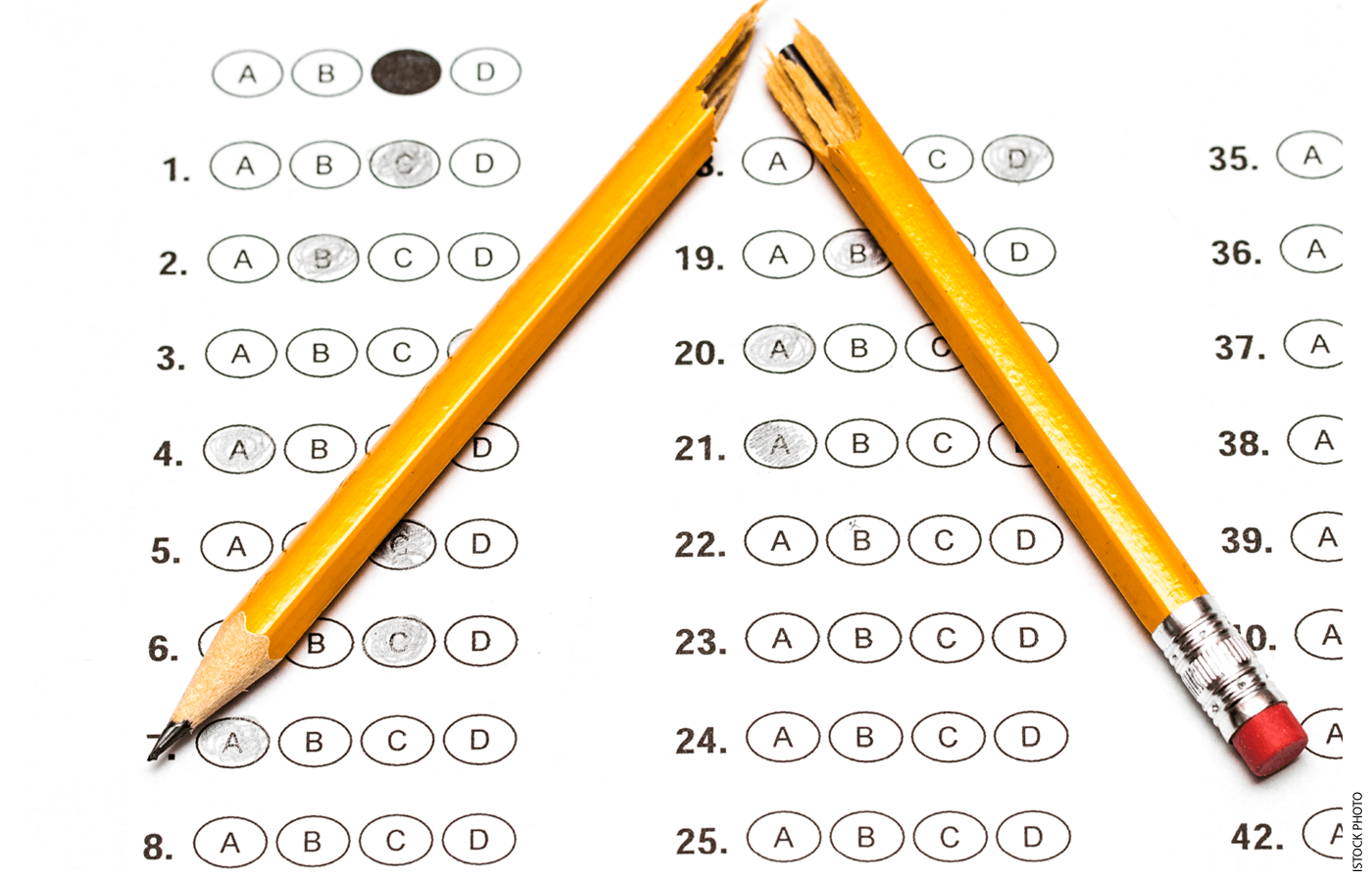
Decoding Declining Student Scores: Beyond the Pandemic's Shadow
The landscape of student learning is a constant subject of analysis, and recent trends in academic performance have sparked widespread concern.While the disruptions of the COVID-19 pandemic undeniably impacted educational journeys, a closer examination of data reveals a more complex narrative than a simple story of learning loss.
Understanding the multifaceted factors contributing to shifts in student scores is crucial for fostering effective learning environments and ensuring future academic success for all students.
This article delves into the deeper currents affecting student achievement, moving beyond immediate pandemic-related explanations to explore underlying influences and actionable strategies for improvement.
The Shifting Sands of Academic Achievement: Pre-Pandemic Trends
The narrative surrounding student scores often defaults to the immediate aftermath of the pandemic.However, a significant body of data suggests that challenges in academic performance were present and developing long before widespread school closures.
Analyzing trends over several years provides a more nuanced understanding of the educational climate students have been navigating.
Mathematics: A Declining Trajectory
Studies indicate that in mathematics, particularly at the eighth-grade level, achievement had already begun a downward trend in the years leading up to 2019.While pandemic-era disruptions undoubtedly exacerbated these declines, the foundational issues were already in play.
This suggests that factors influencing mathematical learning were at work, impacting student scores irrespective of recent global events.
The data from national assessments, often referred to as the "nation's report card," consistently illustrates this pattern, showing a gradual erosion of performance that predates the most significant learning disruptions.
Reading and Science: A Tale of Two Subjects
In reading, particularly for twelfth graders, peak performance was observed around 2009, followed by a notable decline over the subsequent decade.Similarly, eighth-grade science scores, while appearing stable between 2015 and 2019, had seen earlier declines in younger student cohorts, such as fourth graders, during the same period.
This divergence highlights that the challenges are not uniform across all subjects or grade levels, and the underlying causes may differ.
For some subjects, the pandemic acted as an accelerant to existing issues, while for others, its impact was less pronounced compared to pre-existing trends.
The Widening Chasm: Disparities in Learning Outcomes
Perhaps one of the most concerning trends identified in educational data is the disproportionate impact of these declines on lower-performing students.Research shows that students at the lower end of the achievement spectrum have experienced the most significant setbacks.
For instance, in eighth-grade reading, scores at the 10th percentile have fallen substantially over the past decade, representing a loss equivalent to nearly two years of typical learning.
In stark contrast, high-performing students have largely maintained their scores, and in some cases, have even continued to achieve at near-peak levels.
This widening gap between the highest and lowest achievers is a critical concern, indicating that current educational systems may be failing to equip all students with the necessary skills for future success.
This disparity underscores the need for targeted interventions that address the unique challenges faced by vulnerable student populations.
Unmasking the Culprits: Factors Beyond the Pandemic
If the pandemic is not the sole architect of these declining student scores, then what other forces are at play?The "nation's report card" is designed to illuminate achievement levels, but the data it provides can also serve as a powerful tool for identifying the underlying causes.
Potential culprits must align with several key characteristics: they should have emerged in the early to mid-2010s, demonstrably affect learning across multiple subjects, and disproportionately impact lower-performing students while leaving higher achievers relatively unscathed.
Furthermore, considering the global nature of educational challenges, factors that transcend national borders warrant special attention.
The Digital Deluge: Smartphones and Social Media's Influence
Emerging evidence points towards a compelling, albeit circumstantial, candidate: the widespread proliferation of smartphones and the subsequent rise of social media platforms targeting youth.The timing of this technological shift aligns remarkably well with the observed declines in student performance.
The constant connectivity offered by these devices presents a significant distraction, impacting students' ability to focus on academic tasks, from mathematics homework to reading comprehension.
Studies indicate that students from disadvantaged backgrounds often spend the most time engaging with these devices, potentially exacerbating existing learning disparities.
Conversely, motivated students, regardless of their background, may find ways to leverage these tools for enhanced learning.
Mental Health and Cognitive Load
Psychological research suggests a strong correlation between the rise of these technologies and a growing crisis in youth mental health.While a definitive causal link between smartphone use and academic performance is still being established through ongoing research, the circumstantial evidence is substantial.
The constant influx of notifications, the pressure to maintain an online presence, and the exposure to curated, often unrealistic, online lives can all contribute to increased anxiety, reduced attention spans, and a diminished capacity for deep learning.
This cognitive load can interfere with a student's ability to engage with complex academic material and retain information effectively.
The Impact on Learning Engagement
The pervasive nature of smartphones means that distractions are not confined to after-school hours.The temptation to check notifications or engage with social media during instructional time can significantly disrupt the learning process.
This constant digital tether can pull students away from the present moment, hindering their ability to absorb information, participate in discussions, and engage meaningfully with the curriculum.
For students who already struggle with focus or engagement, this added layer of distraction can be particularly detrimental to their learning journey.
Revitalizing Learning: Strategies for a Brighter Future
Addressing the complex challenges facing student learning requires a multifaceted approach that draws lessons from the past while embracing innovative solutions for the future.It's not about replicating old models but about understanding what worked and adapting it to the current educational landscape.
Revisiting Foundational Principles of Accountability
Looking to the past, a period of significant educational reform saw bipartisan agreement on a strategy grounded in clear learning standards and robust accountability for schools.When implemented effectively, this approach, which gained national traction with legislation like the No Child Left Behind Act, demonstrably improved student achievement.
Notably, it produced substantial gains for lower-performing students, a stark contrast to the patterns observed in recent years.
While this era of reform had its critics, and an overemphasis on tested subjects at the expense of others like civics and science was a valid concern, the core principle of setting clear expectations and holding institutions accountable for student learning yielded positive results.
Refining Metrics for Meaningful Progress
The metrics used to gauge school performance must be re-evaluated to set realistic targets for improvement.These metrics should focus on what schools actively contribute to student learning, rather than solely on the inherent advantages or disadvantages students bring with them.
This means developing assessment strategies that capture a broader range of skills and knowledge, moving beyond a narrow focus on standardized test scores in a limited number of subjects.
The goal is to create a system that accurately reflects the multifaceted nature of education and encourages holistic student development.
The Crucial Role of Parental Partnership
Policymakers and educators are not the only stakeholders with a vital role to play.Parents are indispensable partners in their children's educational journey.
Addressing issues such as chronic absenteeism, which continues to plague many public school systems, requires a collaborative effort between educators and parents to re-emphasize the importance of regular attendance.
This partnership can involve open communication, shared strategies for supporting student engagement, and a collective commitment to creating a home environment that values learning.
Navigating the Digital Landscape Together
Finding common ground on the issue of smartphone use is paramount.Research indicates a significant increase in smartphone ownership among teenagers, making it a pervasive aspect of their lives.
While parents often find comfort in being able to reach their children, the call from educational experts to limit device usage during school hours is a critical one.
Implementing strategies such as bell-to-bell phone bans in schools, coupled with parental guidance on responsible device use at home, can create a more focused learning environment.
This balanced approach, acknowledging both the benefits and drawbacks of technology, is essential for helping students learn effectively in the digital age.
Conclusion: Charting a Course for Enhanced Learning
The decline in student test scores is a complex issue with roots extending beyond the immediate impact of the COVID-19 pandemic.While recent disruptions have certainly played a role, a deeper analysis of educational data reveals pre-existing trends, particularly a widening achievement gap between high and low-performing students.
Factors such as the pervasive influence of smartphones and social media, coupled with potential shifts in educational policy and accountability measures, all contribute to this evolving landscape.
By understanding these multifaceted influences, and by fostering strong partnerships between educators, parents, and policymakers, we can implement targeted strategies to revitalize learning, ensure equitable opportunities for all students, and build a more robust educational future.
The journey of learning is continuous, and by embracing evidence-based approaches and a commitment to student well-being, we can navigate these challenges and empower every student to reach their full potential.





 Explore AI Teaching Tools
Comments (0)
Please login to comment
No comments yet
Be the first to comment on this article