
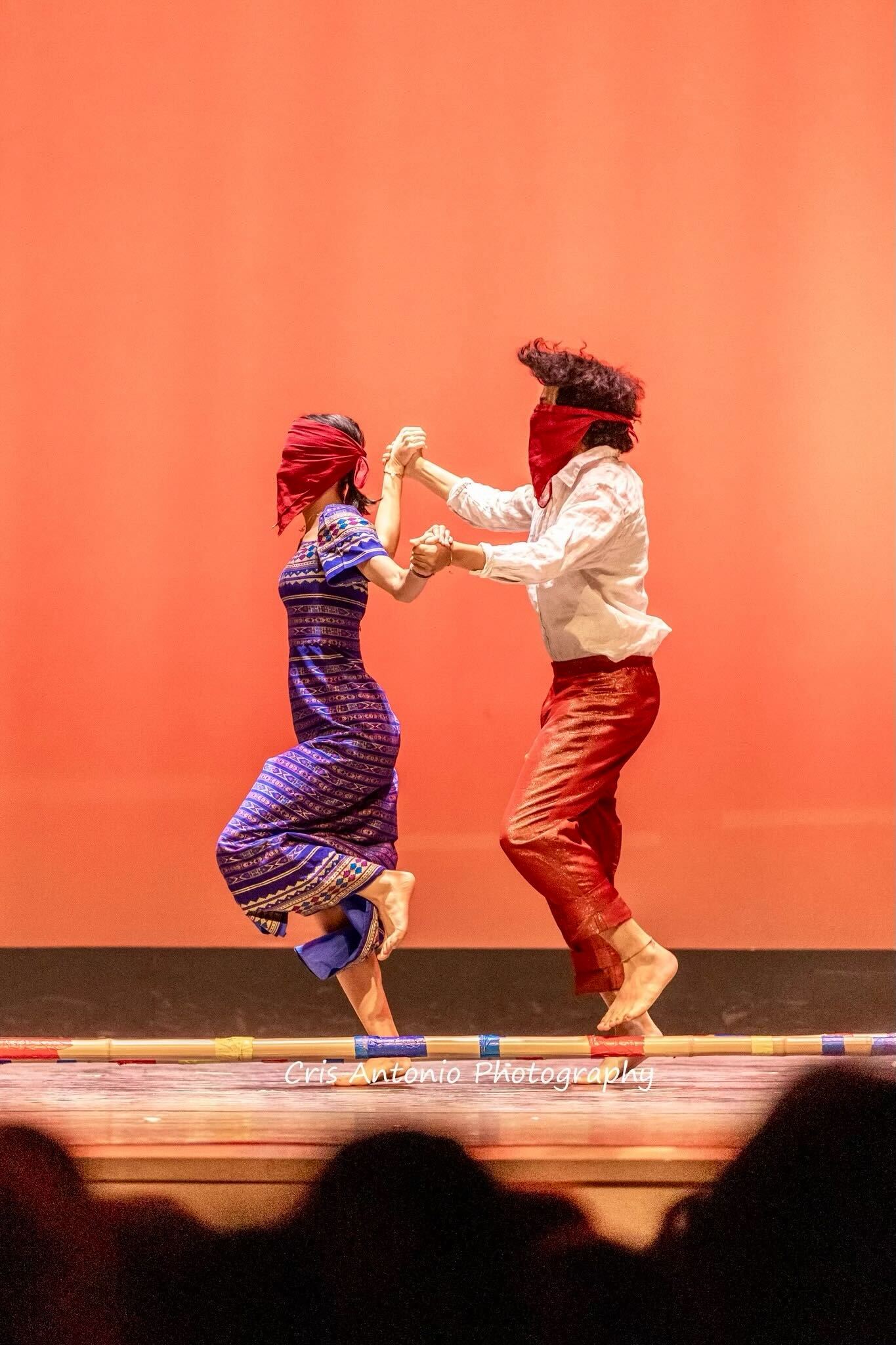
Harvard's Historic Leap: Filipino Language Finally Finds a Home on Campus
For centuries, elite institutions have meticulously preserved languages spoken by dwindling populations. Yet, a language spoken by millions in the United States remained conspicuously absent from the academic landscape of one of America's most prestigious universities. That historical oversight has finally been corrected, marking a significant victory for cultural preservation and student advocacy.
Bridging a Centuries-Old Gap
For nearly 400 years, Harvard University offered instruction in a diverse array of languages, some with very few global speakers. However, Filipino and Tagalog, languages central to the identity of a substantial American population, were notably absent from its curriculum. This omission persisted despite the fact that Filipino is the fourth most spoken language in the US, spoken at home by approximately 1.7 million individuals.
The landscape shifted dramatically in the fall of 2023. Harvard welcomed its first-ever preceptor specializing in Filipino languages, a move long championed by student advocates. This appointment finally addressed a significant gap in the university's offerings, acknowledging the linguistic and cultural importance of the Filipino language.
The Driving Force Behind the Change
At the forefront of this transformative effort was Eleanor Wikstrom, a Filipino American student whose dedication proved instrumental. As co-president of the Harvard Philippine Forum, Wikstrom spearheaded years of petitions and advocacy aimed at convincing university administration to establish Filipino language courses.
In 2021, Wikstrom penned a powerful op-ed in the student newspaper, directly challenging the lack of Tagalog instruction. She recounted facing resistance and skepticism regarding the value of learning the language, highlighting a broader struggle against historical erasure that diminished the significance of the Filipino-American connection.
Wikstrom's commitment extended beyond her time as a student. Her advocacy, alongside numerous other students, was a critical factor in convincing Harvard to finally offer Filipino as a formal course of study.
The Numbers Speak Louder Than Words
The omission of Filipino from Harvard's curriculum becomes even more striking when considering demographic data. Filipino, with Tagalog as its primary dialect, ranks fourth among the most spoken languages in the United States, trailing only English, Spanish, and Chinese. Census figures indicate that between 1.7 and 1.8 million people speak Tagalog and Filipino at home.
These speakers are predominantly concentrated in states like California, Nevada, Texas, Washington, Illinois, and New York, with particularly large Filipino communities in the San Francisco Bay Area, Los Angeles, and Seattle. Despite this significant presence, Filipino has historically lacked the robust institutional support—such as widespread heritage schools and comprehensive university programs—that aids in the retention of fluency for second and third-generation immigrants.
Unpacking the Colonial Legacy
Scholars who study the decline of heritage languages often point to the enduring impact of colonial history. Following the United States' annexation of the Philippines in 1899 and its subsequent rule for nearly five decades, English was firmly established as the language of governance, education, and social advancement. This linguistic hierarchy persists today, with English serving as one of the Philippines' two official languages, alongside Filipino.
Advocates argue that this historical context helps explain why many Filipino Americans grow up with an understanding of their ancestral language but lack the confidence to speak it fluently. The colonial imposition of English created a system where proficiency in the colonizer's language was often prioritized over the native tongue.
A Trendsetter in Academia
In offering Filipino language instruction, Harvard was, in fact, playing catch-up with many of its peer institutions. Elite universities such as UCLA and the University of Pennsylvania, which has hosted a Filipino program since 1996, had been offering Tagalog courses for decades. Even at the college level nationwide, Filipino language classes remain relatively uncommon, a stark contrast to the size of the Filipino-American community.
At the University of Pennsylvania, instructors report that many students enroll in Filipino courses not to fulfill academic requirements, but rather to forge a deeper connection with their family and cultural heritage. The arrival of the Filipino course at Harvard has had a ripple effect, inspiring similar initiatives at other universities.
Inspiring a New Wave of Advocacy
Following Harvard's announcement, students at Yale University quickly mobilized. Within a year, they launched their own petition and open letter to university administrators, garnering support from the Yale College Council. Their campaign called for credit-bearing Tagalog instruction, demonstrating the growing momentum for heritage language education.
A student advocate at Yale articulated the personal significance of this movement, telling the campus newspaper that embracing and honoring one's cultural identity is a fundamental aspect of the college experience. This sentiment underscores the profound impact that language education can have on a student's sense of self and belonging.
Beyond Grammar: Connecting to Living Culture
At Harvard, the newly established Filipino language courses have moved beyond traditional linguistic drills. Instructor Lady Aileen Orsal has pioneered innovative pedagogical approaches, including a collaboration with the university's Peabody Museum. Students engaged with the museum's extensive collection of approximately 8,000 ethnographic and photographic materials from the Philippines to curate a mini-exhibit titled "Tahanan," the Filipino word for home.
Further enriching the learning experience, other class projects have facilitated video calls between students and contemporary Filipino and Filipino American authors. These initiatives aim to connect language acquisition with vibrant, living culture, rather than treating Tagalog as a static academic subject. This approach fosters a more dynamic and relevant understanding of the language.
A Dream Realized for Heritage Students
For students who grew up immersed in the Filipino language but never formally learned to speak it fluently, the new courses hold particular significance. One Harvard student reflected on years of studying Tagalog without achieving fluency, describing the course as a long-awaited opportunity that heritage students had actively campaigned for. Many enrolled at the beginner level, despite having grown up surrounded by Tagalog speakers, eager to finally master the language.
The financial backing for this pivotal preceptor position also reveals a key aspect of the change: it originated not from the university's general budget, but from a donor-backed endowment. This gift was structured to ensure the permanent continuation of Filipino language instruction at Harvard. The success of alumni fundraising, running in parallel with student op-eds and petitions, proved decisive, demonstrating the powerful synergy between institutional advocacy and grassroots support.



 Explore AI Teaching Tools
Comments (0)
Please login to comment
No comments yet
Be the first to comment on this article